
Last updated October 17, 2026
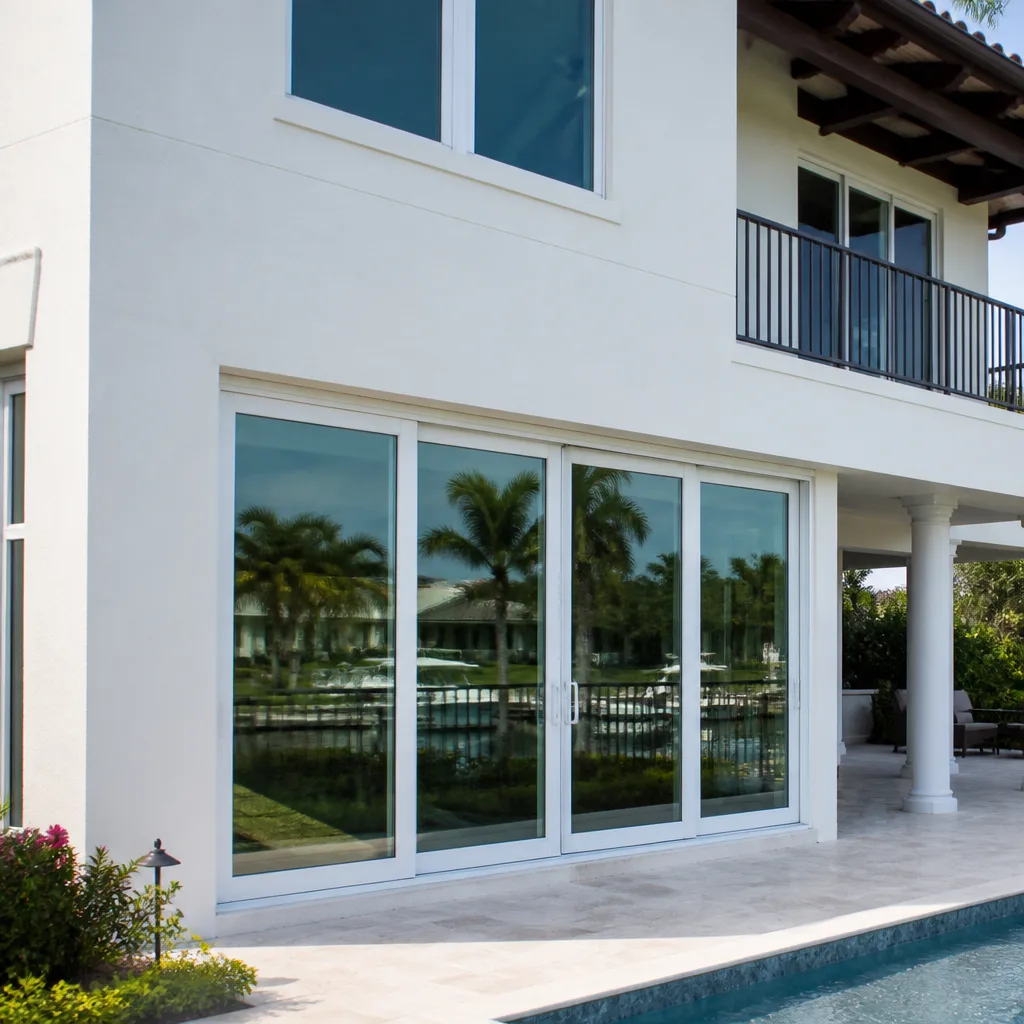
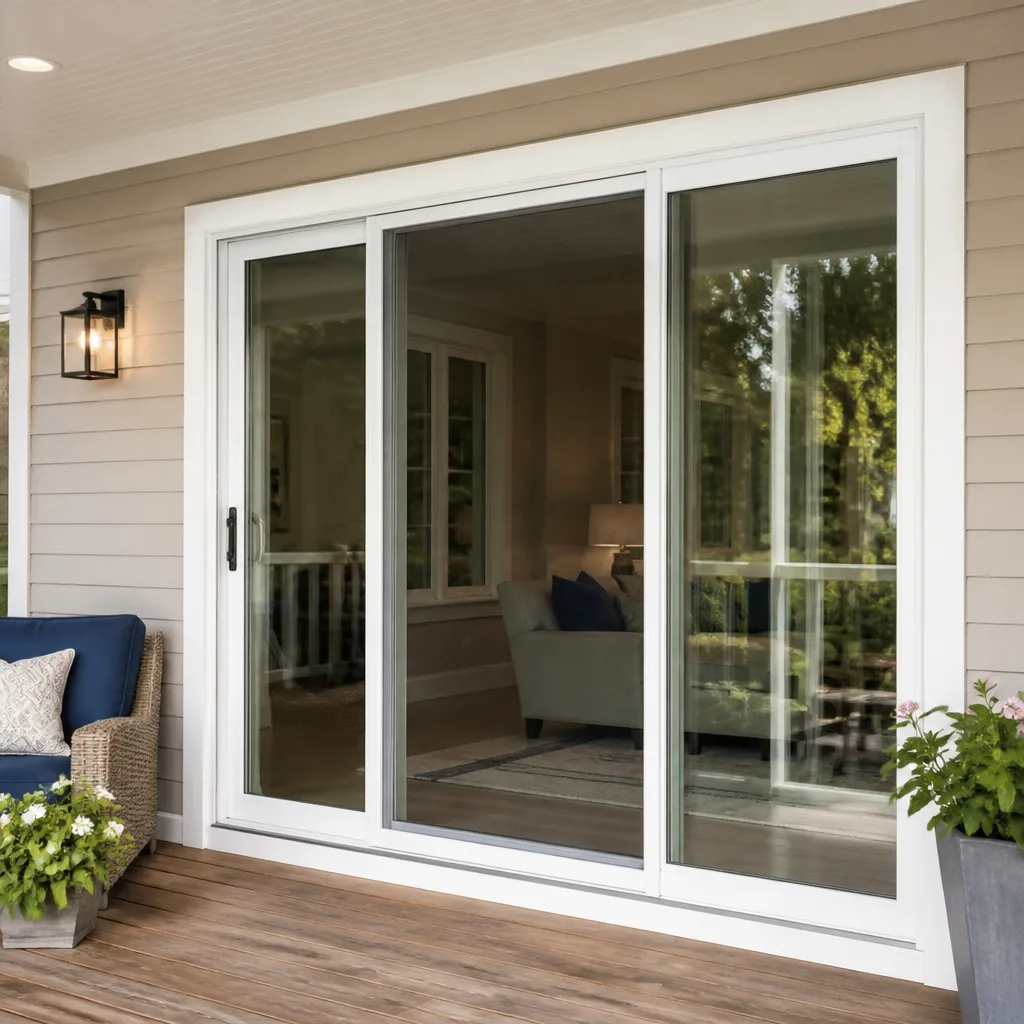 Sliding glass doors
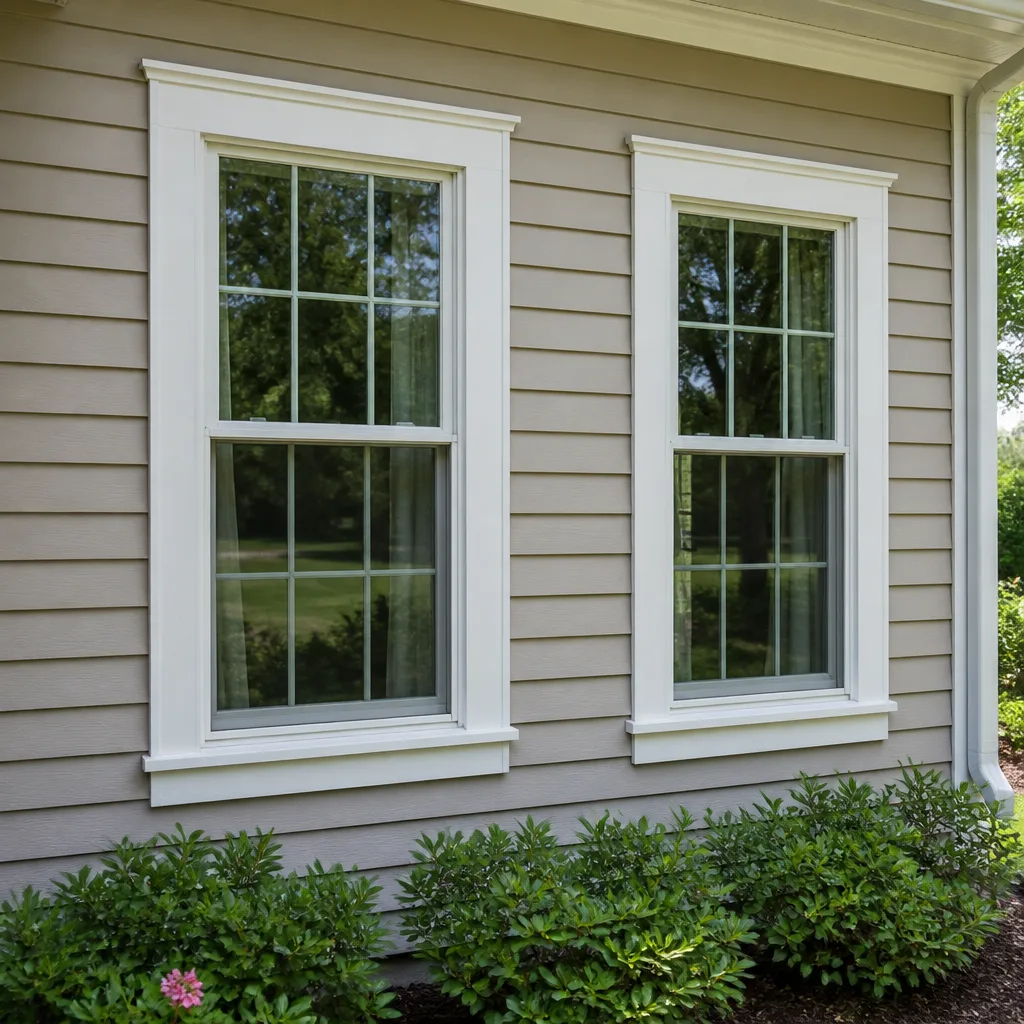 Double hung
 Horizontal roller
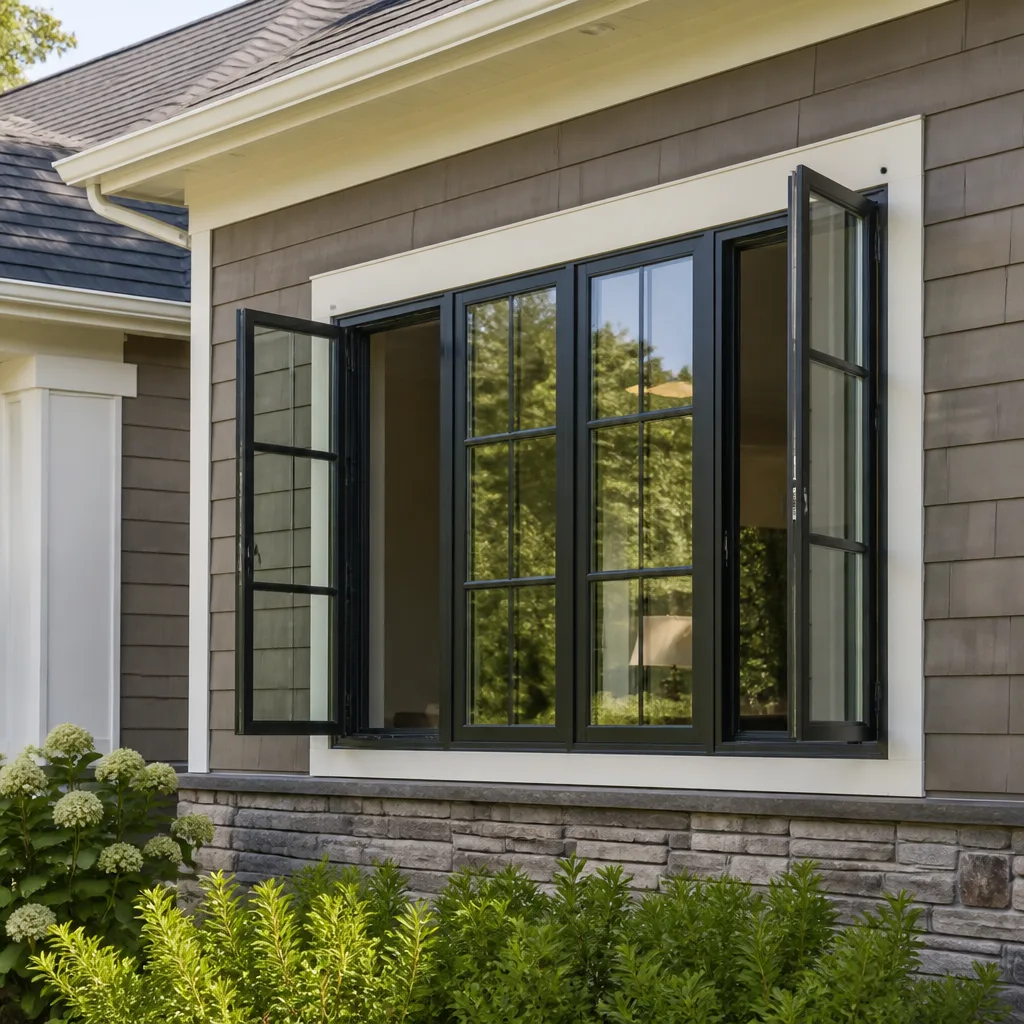 Casement
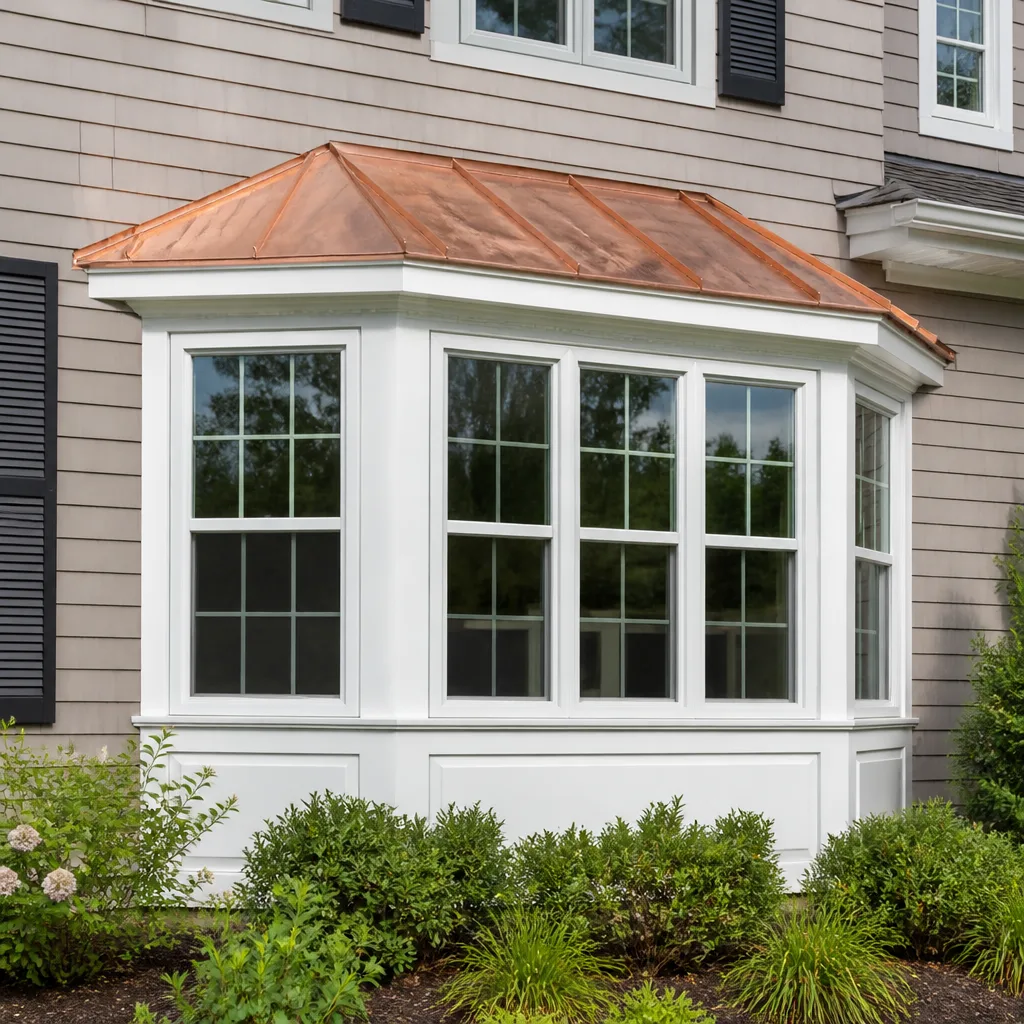 Bay & bow
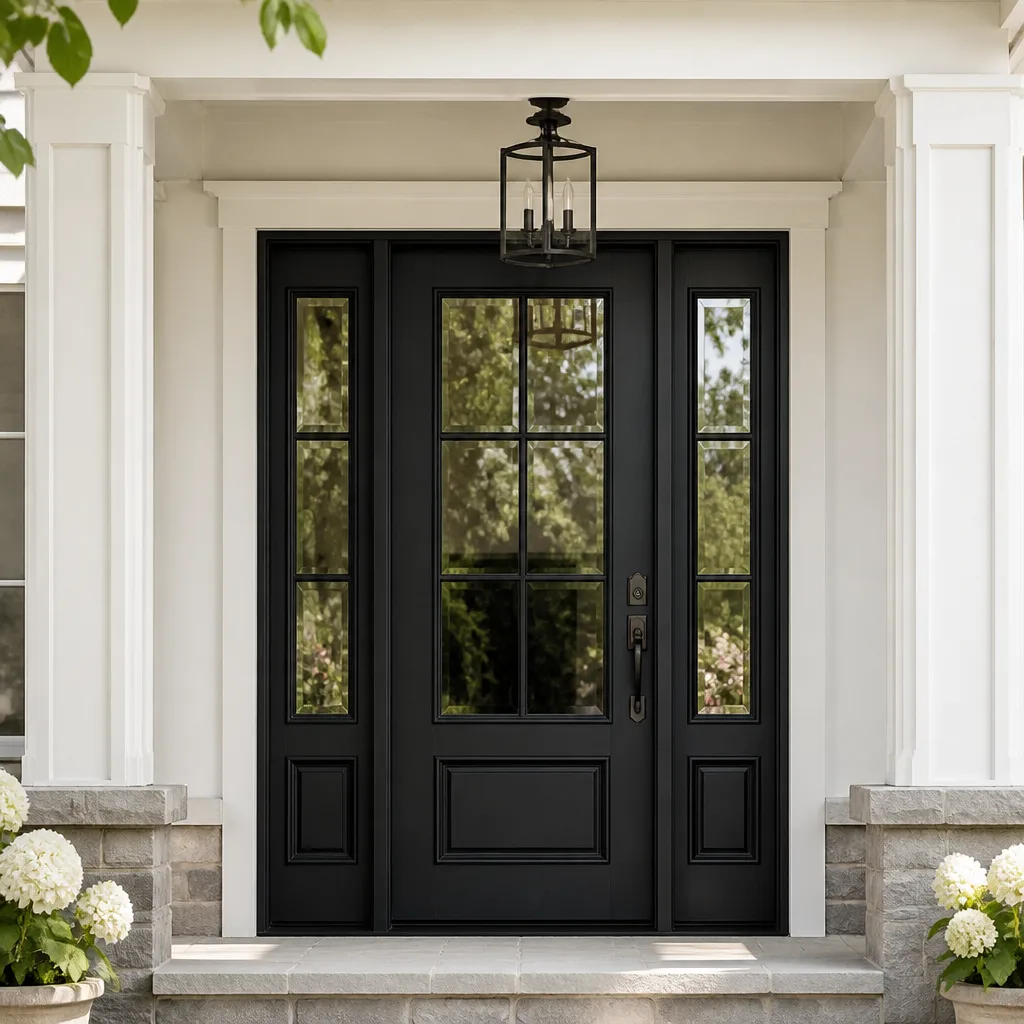 Entry doors
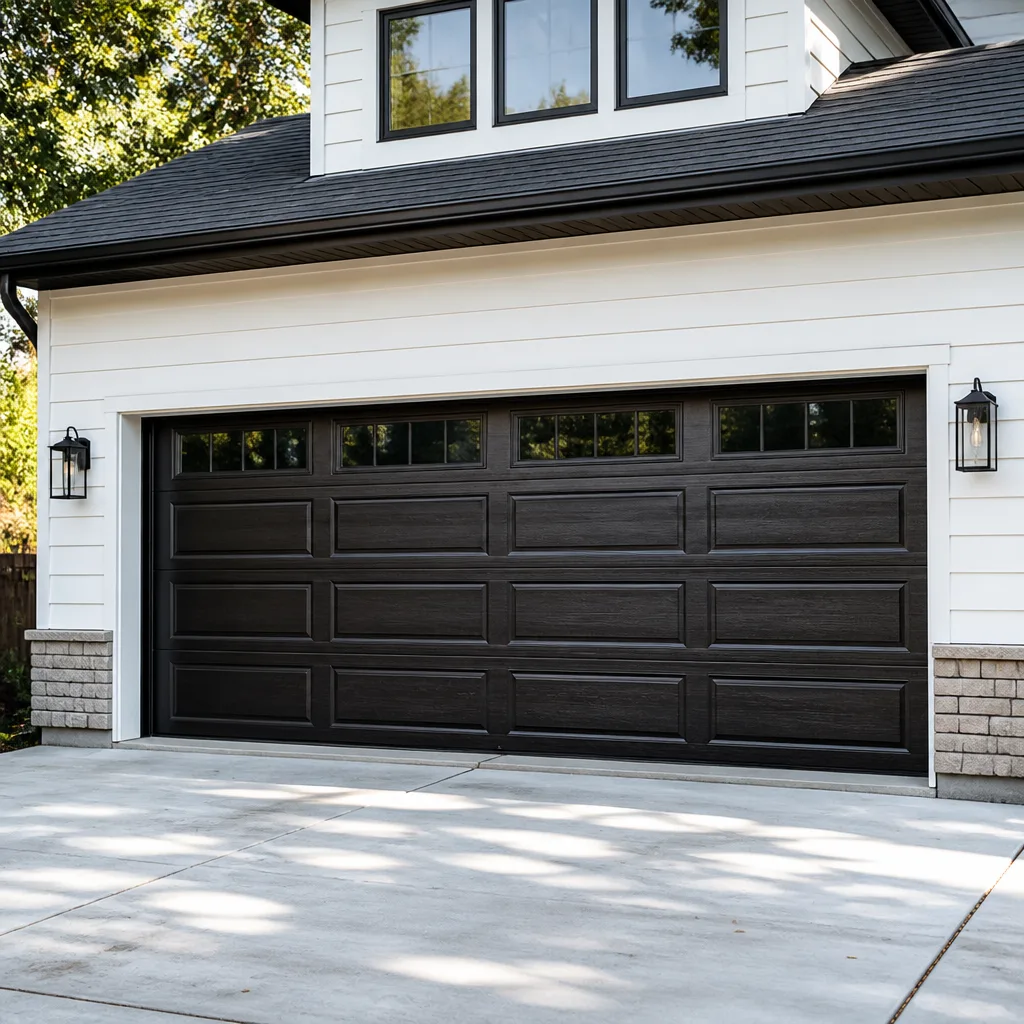 Impact garage doors
 PGT
PGT CGI
CGIFree in-home measure and quote - PGT, CGI and CWS impact lines compared on your actual openings, style by style
Get your free estimateWindows & Doors Permits, Codes & Inspections in CA: What You Need to Know
A window that passes energy code in Phoenix or Las Vegas will likely fail a Pasadena inspection. California’s Title 24 Climate Zone 9 sets a maximum Solar Heat Gain Coefficient of 0.25 for most residential applications, a threshold that eliminates a wide category of standard double-pane products available nationally. In this guide, we’ll walk through exactly what Pasadena homeowners need to understand about permits, energy codes, historic overlay rules, and inspection sequencing before ordering a single window or door. For a deeper dive, see our Complete Guide to Windows & Doors in Pasadena. By the end, you’ll know which questions to ask any contractor and which documents to keep for resale.
Styles & brands we work with
Quick Answer
In Pasadena, most window and door replacements require a building permit, and all must meet Title 24 Climate Zone 9 standards: a maximum U-factor of 0.30 and a maximum SHGC of 0.25 (or 0.23 for skylights). Like-for-like non-structural replacement in existing openings may qualify for permit exemption, but only if framing, trim, and rough opening details remain untouched. If your home sits in a historic overlay district, a separate Design and Historic Preservation review applies on top of energy code compliance, and it can stop the project even when Title 24 is satisfied. See our Windows & Doors Warning Signs: A Pasadena Homeowner’s Reference Guide for common red flags.
Table of Contents
- Title 24 Climate Zone 9 Requirements in Plain Language
- When a Permit Is Required in Pasadena vs. When It Is Exempt
- Pasadena’s Historic Overlay Permit Layer
- What a Pasadena Building Inspection Covers
- Permit Coordination and Resale Documentation
- What Window Permits and Inspections Cost in Pasadena
- Common Mistakes to Avoid
- When to Call a Professional
- Frequently Asked Questions
Title 24 Climate Zone 9 Requirements in Plain Language
California splits the state into 16 climate zones. Pasadena sits in Climate Zone 9, which includes inland areas from Glendale and Burbank east through Monrovia and out toward Rancho Cucamonga. Zone 9 is defined by hot, dry summers and cool but rarely freezing winters. The energy code cares about that heat load more than anything else, and the three numbers you’ll see on every window label follow from it.
U-factor measures how well the window stops heat from passing through the glass and frame. Lower is better. Zone 9 requires a maximum U-factor of 0.30 for most residential windows. That is not especially hard to hit, which is why you rarely see a Pasadena homeowner failed on U-factor alone.
SHGC, or Solar Heat Gain Coefficient, measures how much direct sunlight heat the window admits. This is where Pasadena projects fail. Zone 9 caps SHGC at 0.25 for most windows, which means the glass must block at least 75 percent of incoming solar heat. Standard clear double-pane windows sold at big-box retailers often test at 0.35 to 0.50 SHGC depending on the glass package. Those products look fine on a Palo Alto job and get rejected on an Altadena one.
VT, or Visible Transmittance, tells you how much daylight comes through the glass. Higher is brighter. The trick in zone 9 is balancing a low SHGC against a decent VT, because some glass coatings that block heat also darken the room. A quality low-E coating with the right spectrally selective formula can hold SHGC at 0.22 while keeping VT above 0.45, which gives you natural light without the furnace effect. We see this tradeoff play out in San Rafael and Bungalow Heaven alike, where high windows and deep porches often limit daylight even before glass selection enters the conversation.
Why the 0.25 SHGC Threshold Trips Up Out-of-State Products
Many national window lines and builder-grade products are engineered for a median climate and then sold everywhere. The SHGC on those units frequently lands between 0.32 and 0.42, which passes code in Texas, Nevada, and Arizona. It does not pass in Pasadena. A homeowner who orders those because they saw a good price online, or because a contractor from outside the region quoted them by model number, gets a rude moment at inspection when the plans examiner checks the NFRC label against the Title 24 compliance documentation.
PGT, CGI, and CWS all produce Climate Zone 9 compliant glass packages with documented SHGC values below 0.25, and each offers different tradeoffs on hurricane impact, acoustic performance, and visible light. ES Windows, which we also carry, tends to appear on mid-century modern remodels in the San Rafael Hills where slim aluminum sightlines matter more than exterior trim style. The point is not that one brand fits all of Pasadena. The point is that the product has to be selected for Zone 9 specifically, with the NFRC numbers on the label, before anyone orders it.
When a Permit Is Required in Pasadena vs. When It Is Exempt
Pasadena operates under the California Building Code with local amendments, and the city’s building department is strict about window replacement. If the opening is being enlarged, or if the rough opening framing is altered in any way, a building permit is required with no exceptions. If you are replacing the window and disturbing nothing but the old frame and trim, Pasadena may treat the project as a like-for-like replacement with a simpler review and, in some cases, an exemption from full permitting.
The legal line, stated in the Pasadena Building Code, is that a building permit is required when any structural element changes. In practical terms:
- Same-size window, same opening, no structural change: the energy code still applies, but the permit path is simpler and the inspection scope is narrower.
- Same-size window with rotted framing or a new sill: this crosses into structural work and the permit requirement becomes mandatory.
- Window enlarged, moved, or a new window added: full permit, full plan review, full inspection. No exceptions.
- Door swapped for a door in the same rough opening: similar rules apply. Changing swing direction or adding sidelights changes the structural game.
Why does getting this wrong expose the homeowner and not just the contractor? Because the building permit is attached to the property address, not to the company that pulled it. If work happens without a required permit, the homeowner is the one with an unpermitted condition on title when they sell. The contractor can walk away. The homeowner cannot. In Pasadena, the city has the legal authority to require that unpermitted work be opened up for inspection after the fact, which means removing trim and sometimes drywall to expose the framing a contractor already closed up. We’ve helped homeowners in Normandie Heights and Lower Hastings Ranch who inherited this exact situation from previous flips.
Pasadena’s Historic Overlay Permit Layer
Pasadena has one of the strongest historic preservation programs in Southern California. A large share of the city’s housing stock sits inside designated historic districts or is individually landmarked. In those districts, a window that satisfies Title 24 completely can still be denied by the Design and Historic Preservation section of the Planning and Community Development Department.
The overlay works like this: energy code is a state requirement enforced by the building department. Historic review is a local requirement enforced by a different body with different standards. For a home in Bungalow Heaven, Garfield Heights, or the Madison Heights area, a vinyl window that passes Title 24 can be rejected because the material, profile, muntin pattern, or color is not compatible with the district’s adopted design guidelines. The city may require wood or wood-clad windows at specific styles, specific exterior colors, and specific glass profiles.
How to Sequence a Historic District Window Project
- Confirm your historic status. Check the city’s historic property list before picking any products. Do not rely on a real estate listing.
- Select a window that passes both Title 24 and the design guidelines. This usually means a wood or wood-clad product with a low-E package that holds SHGC under 0.25. Several PGT and CGI models work in historic districts when ordered with the right exterior finish, and Therma-Tru makes doors that replicate period proportions well.
- File the Certificate of Appropriateness application with Design and Historic Preservation before, or concurrently with, the building permit application.
- Wait for both approvals. Do not order products or start work until both sign-offs are in hand.
- Schedule the building inspection with the approved plans visibly posted at the address. The inspector will check the installed windows against the approved product list.
The most common frustration we see in historic districts is a homeowner who falls in love with a product online, orders it, and then learns the design review board will not approve it. By that point, most manufacturers charge a significant restocking fee. The written-price-before-work rule we live by matters even more when two city departments have to bless the same window. The full sequence should be priced and documented from the start.
What a Pasadena Building Inspection Covers
The inspection is not a formality. The Pasadena building inspector will verify that the installed windows and doors match the approved permit documents, that the NFRC labels are still on the units, and that the installation details meet the code. Here is what gets looked at in practical terms.
Product verification: the inspector checks the tempering marks on glass near doors and low windows, the NFRC label for U-factor and SHGC, and the product’s compliance with any approved historic design.
Structural attachment and flashing: the inspector confirms that the window is anchored per code, that any shim and sealant work is done properly, and that flashing details keep water moving out, not in. This is where sloppy installs fail most often in the San Gabriel Valley, especially on the south and west exposures that take the full force of winter storm fronts.
Safety glazing: any glass within 24 inches of a door edge, or any window within 18 inches of the floor and larger than nine square feet, must be tempered or safety glazed. This is a national rule that many handyman installs miss completely.
Egress: in bedrooms, the replacement window must preserve the required clear opening for fire escape. A replacement that shrinks the operable area below the required minimum is a hard fail.
Timing, Window of Validity, and Work-Before-Inspection Risk
A Pasadena building permit stays valid for 180 days from the date of issuance, and an inspection must be scheduled before that window closes or the permit lapses. If work is completed before the inspection visit and the inspector finds a code issue, the remedy is not a simple correction. It means exposing the installed work for review, and in some cases removing and reinstalling the product entirely. Doing the work before the inspector visits is not a shortcut. It is the most expensive way to redo the job twice.
Permit Coordination and Resale Documentation
The paperwork trail matters long after the inspector signs off. When a Pasadena home is sold, the seller is asked under California law to disclose known conditions and defects. The single best way to prove a window or door replacement was done correctly is to produce the building permit, the approved plans, and the signed final inspection card as one packet. Without that packet, a buyer’s inspector may flag “unpermitted window replacement” and open a negotiation over a condition that might cost thousands to re-inspect and legalize.
This is where the Cedarwell Care Promise shapes how Lightwell Windows Pasadena runs a project. We name at the beginning who files what. The permit application is submitted by us, under the project address, with the products and glass packages specified. The homeowner receives a copy of the filed application, a copy of the approved permit, and a copy of the signed final inspection report after the inspector has been. Those three documents go into a folder the homeowner keeps with their closing papers. When the house eventually changes hands, the permit packet answers the two questions a title company and a buyer’s agent will ask: was the work permitted, and did it pass inspection.
Same logic applies to the written price. The quote is not a round number on a napkin. It is a line-item document that names the products, the glass packages, the permit fees, the labor, and the warranty terms. If the inspector requires a change, the change and its cost are written before any additional work starts. Nobody gets a final number at the end that does not match the number at the start. That promise is part of the Cedarwell network operating standard, and it applies in Pasadena the same way it applies at the Lightwell Windows Pasadena home level.
What Window Permits and Inspections Cost in Pasadena
Pasadena building permit fees are based on the valuation of the work stated on the permit application. For a typical whole-house window replacement in a 1,800 to 2,400 square foot home, the permit fee range runs roughly $150 to $450 depending on the declared project value and whether plan review is required. Additions of new window openings or structural changes that require plan check push the total higher because plan review time is billed separately.
Here is a useful ballpark table for planning purposes, combining typical permit costs with the inspection visits:
- Like-for-like replacement, no structural change: $150 – $300 permit fee, one or two inspection visits, no plan check.
- Structural opening change or new window: $300 – $600 permit fee plus plan check, three inspections typical.
- Historic district review: additional Certificate of Appropriateness filing fee, usually $40 – $120 depending on scope.
- Whole-house replacement, 15 to 25 windows: total permit and inspection cost usually lands between $500 and $1,000.
These are realistic ranges for Pasadena’s current fee schedule, but every project is different. If your quote from a contractor bundles a permit fee that is a round $1,500 on a like-for-like job, ask for the fee schedule line item. The city charges what the city charges; the vendor should pass that through transparently.
This is a good moment to look at what Window Replacement in Pasadena actually costs beyond the permit itself, because the product and labor figures dwarf the city fees. Most whole-home replacement projects in Pasadena run between $18,000 and $45,000 depending on product choice, size, and historic district requirements.
Common Mistakes to Avoid
- Assuming out-of-state glass passes Pasadena code. A window ordered for a Phoenix job at 0.35 SHGC fails Zone 9 review. Verify the NFRC label before the order is placed.
- Skipping the permit on a like-for-like replacement because “everyone does it.” When the home goes up for sale, the unpermitted work becomes the seller’s problem. The contractor is long gone.
- Starting construction in a historic district before the Certificate of Appropriateness clears. Two approval tracks run side by side, and starting early can mean undoing completed work that a design review board rejects.
- Not photographing the NFRC labels before and after install. Inspectors look for the labels, and future resale documents should include them. Photos are free proof.
- Hiring on price alone without a written line-item quote. If the final invoice does not match the starting quote, that is a contract problem, not a code problem. Both should be written from day one.
- Assuming any replacement window preserves bedroom egress. A smaller operable area can fail inspection on safety grounds even when the glass package is code-perfect.
- Letting the elapsed 180-day permit window lapse. Projects stall for many reasons, but a lapsed permit restarts the fee clock and can void the prior approval path.
When to Call a Professional
The moment a project involves structural opening changes, the answer is professional, full permitting, and a plan review. Same for historic district homes, where the Design and Historic Preservation process has its own vocabulary and meeting rhythm. And if you are replacing more than four or five units in Pasadena, pulling the permit properly with the right product selections is not a weekend project.
Lightwell Windows Pasadena offers free estimates in Pasadena and the surrounding San Gabriel Valley. Along with the written quote, we’ll walk through which products pass Zone 9, which permit path your address falls under, and which inspections will be scheduled. Call (626) 628-2308. Part of the Cedarwell network since 2010, our crew works with shoe covers and drop cloths on every visit, uses pet-safe sealants where alternatives exist, and sends a photo of the clean-up before we leave. A light well is the architectural opening that pulls daylight deep into a building. That is what a well-installed window should do for your home.
Frequently Asked Questions
Yes, in most cases. Like-for-like replacement in an existing rough opening with no structural change may qualify for a simpler permit path or an exemption, but any opening alteration, framing work, or new window absolutely requires a building permit. Call (626) 628-2308 for help determining which path your project falls under, and get an exact quote in writing.
Pasadena is in Climate Zone 9, which requires a maximum U-factor of 0.30 and a maximum SHGC of 0.25 for most residential windows. Skylights have a slightly stricter SHGC ceiling of 0.23. If you are comparing glass packages, bring the NFRC label to the conversation, not just the product name. Our free estimate covers exactly which glass spec your address requires; call (626) 628-2308.
Only if the specific glass package meets Zone 9 SHGC and U-factor requirements and, if you are in a historic district, passes Design and Historic Preservation review. Many stock products carried at big-box stores in Southern California are ordered for multiple climate zones and do not meet the 0.25 SHGC threshold. We’ve seen several of those rejected at the permit desk. For a product list that passes inspection, contact us at (626) 628-2308 for a free estimate.
A Pasadena building permit remains valid for 180 days from issuance. If the work cannot be inspected within that window, the permit lapses and a renewal or new application is required. Rescheduling inspections early is the single best way to avoid this problem.
The condition stays attached to the property address. When you sell, the buyer’s inspector may flag it, and the city has the legal authority to require the work be exposed for inspection, which can mean removing trim and drywall. Getting the permit done before work starts is far less expensive than legalizing work after the fact. For guidance specific to your home, call (626) 628-2308.
Yes. If your home is inside a designated historic district or is individually landmarked, you need a separate Certificate of Appropriateness from the Design and Historic Preservation section in addition to the building permit. The review can reject vinyl windows or specific muntin profiles even when the glass passes energy code. We work with historic period appropriate products from PGT, CGI, and Therma-Tru, and we coordinate both approval tracks; call (626) 628-2308 for a free estimate.
The Bottom Line
Pasadena’s permit and code environment rewards homeowners who do the paperwork in the right order and with the right documentation in hand. For more guides & resources on navigating local building requirements, explore our blog. Zone 9 energy thresholds eliminate many national products before they ever reach the rough opening. Historic overlay review adds a second approval layer that many contractors never mention until it is too late. The inspection process itself is straightforward, but only when the product label, permit, and installed work all match.
If any part of this feels unclear for your specific address, call (626) 628-2308. We’ll walk through the permit path, give you a written price, and schedule the free estimate. This is what the Cedarwell Care Promise was built for: no surprises, a clean work site, and a window that pulls daylight deep into the home.
Written by Keith Yamada, Owner at Lightwell Windows Pasadena, serving Pasadena since 2010.
See the difference
 Before
 After
After Before
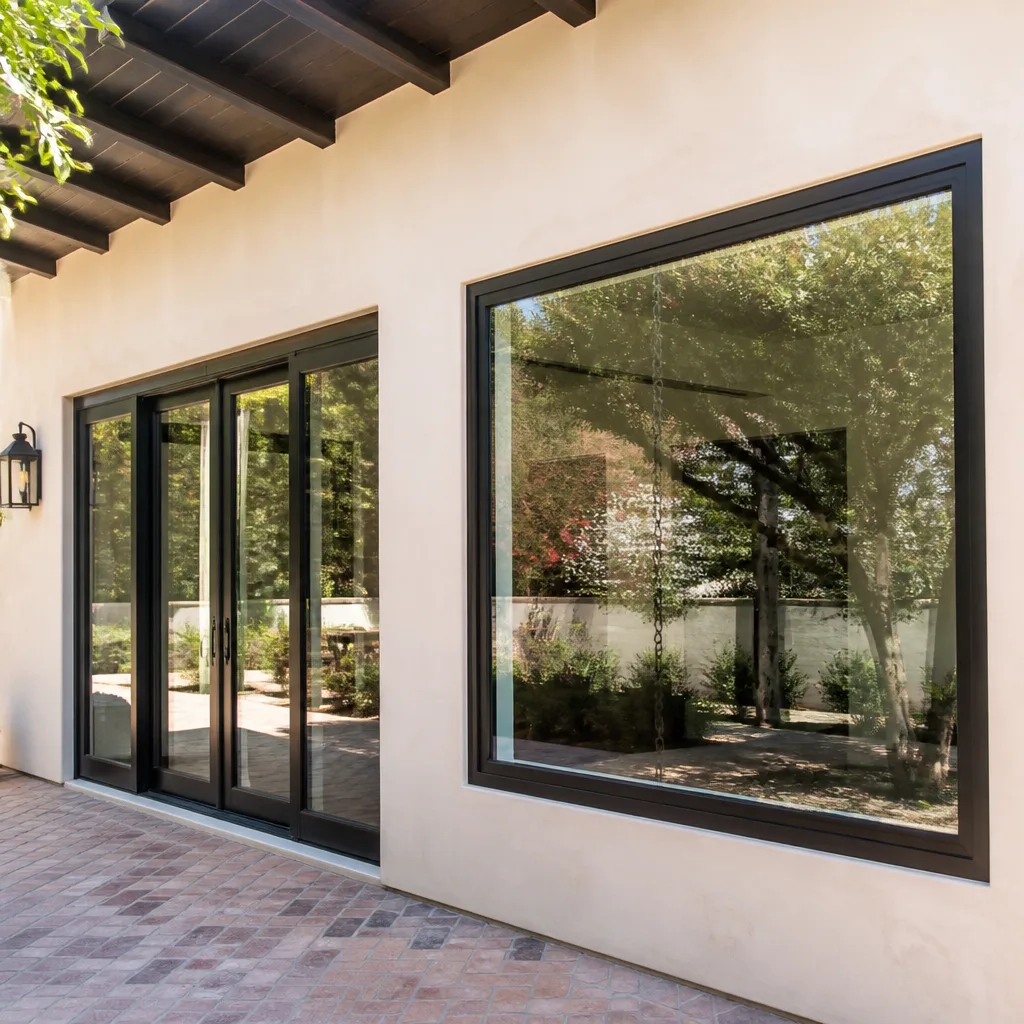 After
After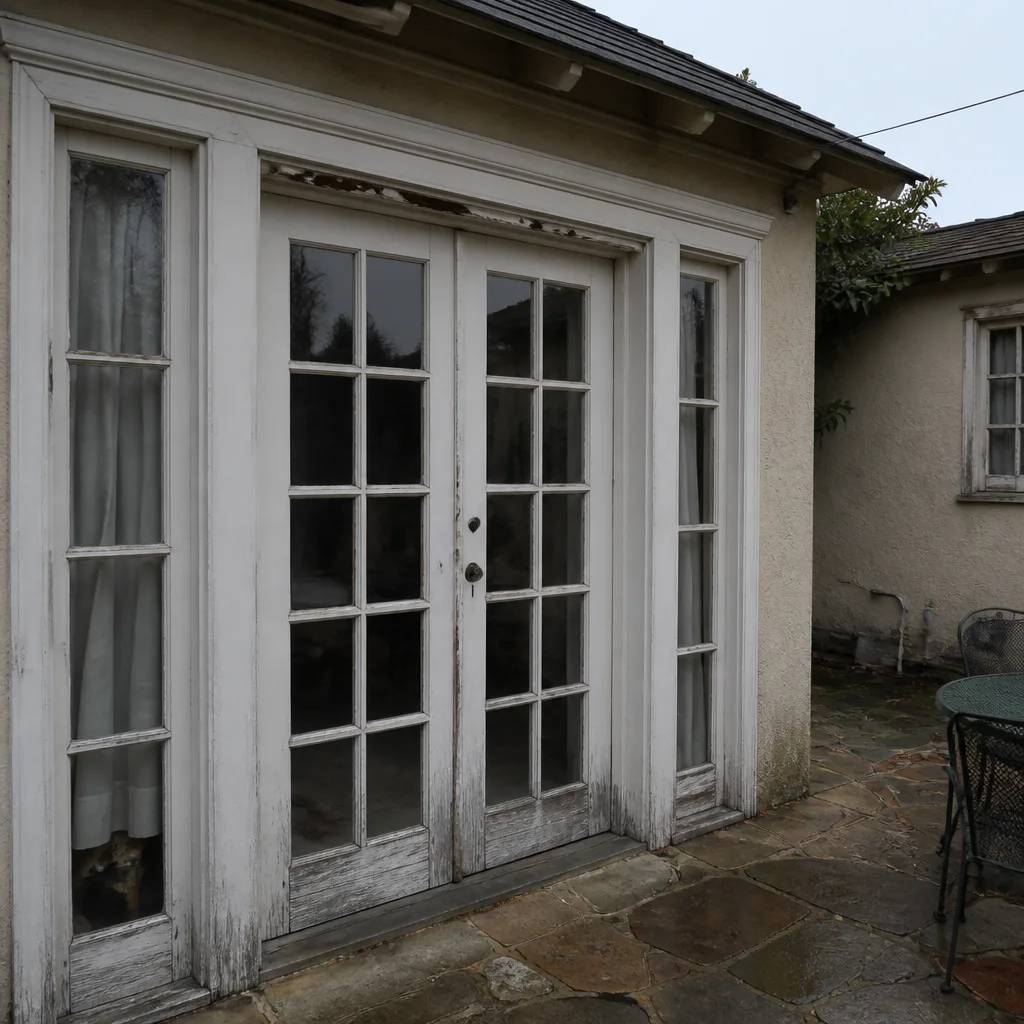 Before
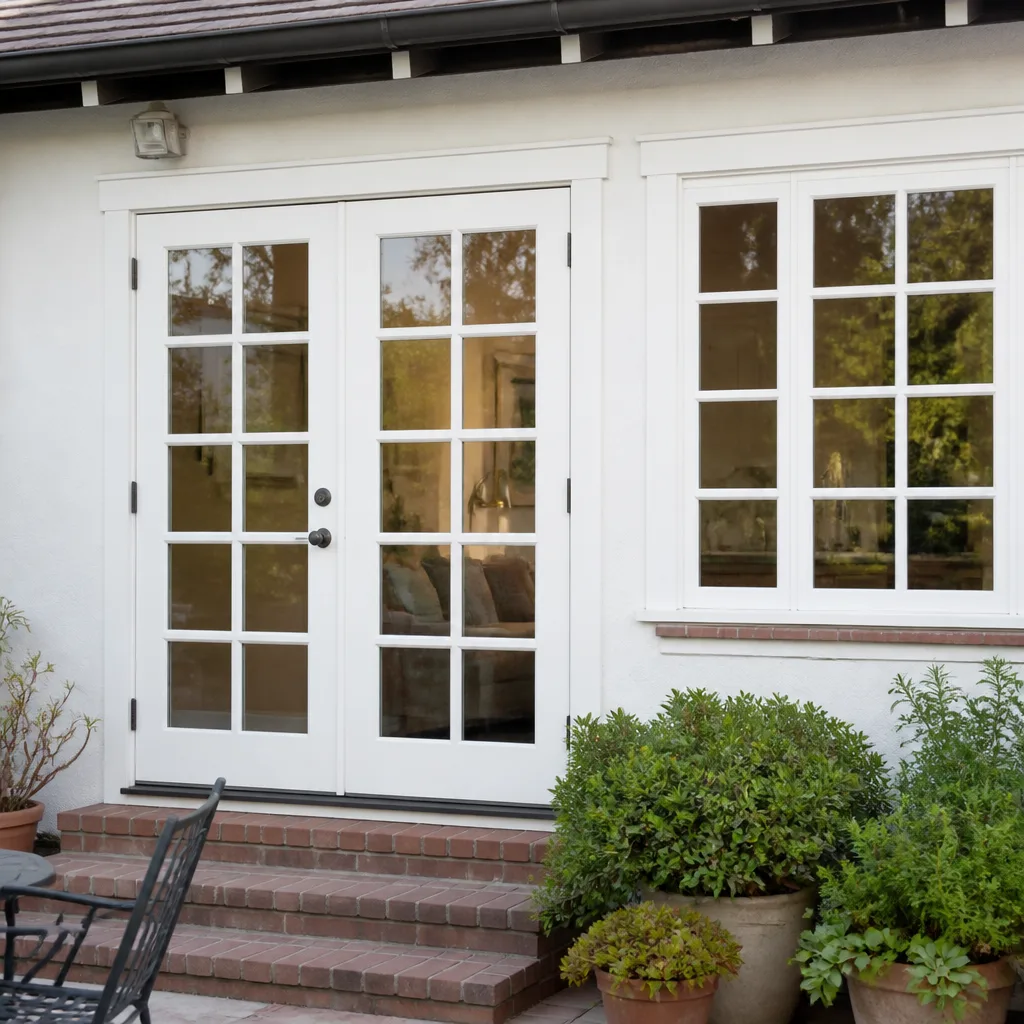 After
AfterSix Reasons Homeowners Choose Lightwell Windows Pasadena
Laminated glass and reinforced frames hold up to wind-driven rain, hail and flying debris, so your openings stay sealed when the weather turns.
Low-E insulated impact glass from our manufacturer lines commonly cuts monthly cooling bills 20-30%.
Laminated impact glass shuts out up to 40% of outside noise - traffic, neighbors, weather.
Monitoring services run $30-90 a month. Laminated impact glass resists forced entry around the clock, with no subscription.
Tighter seals and insulated glass even out hot and cold rooms and stop the drafts at the frame.
A full impact package upgrades curb appeal, buyer confidence and appraised value in one project.