
Last updated October 17, 2026
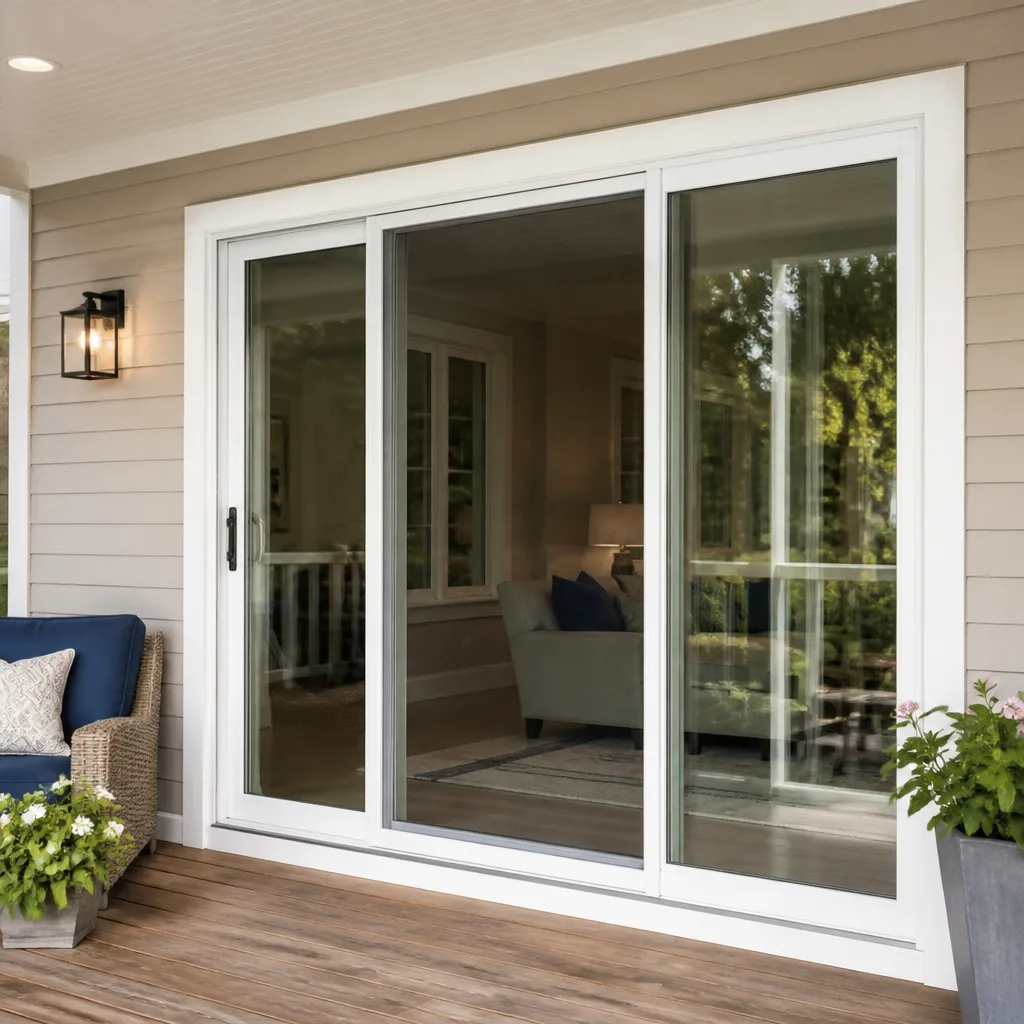 Sliding glass doors
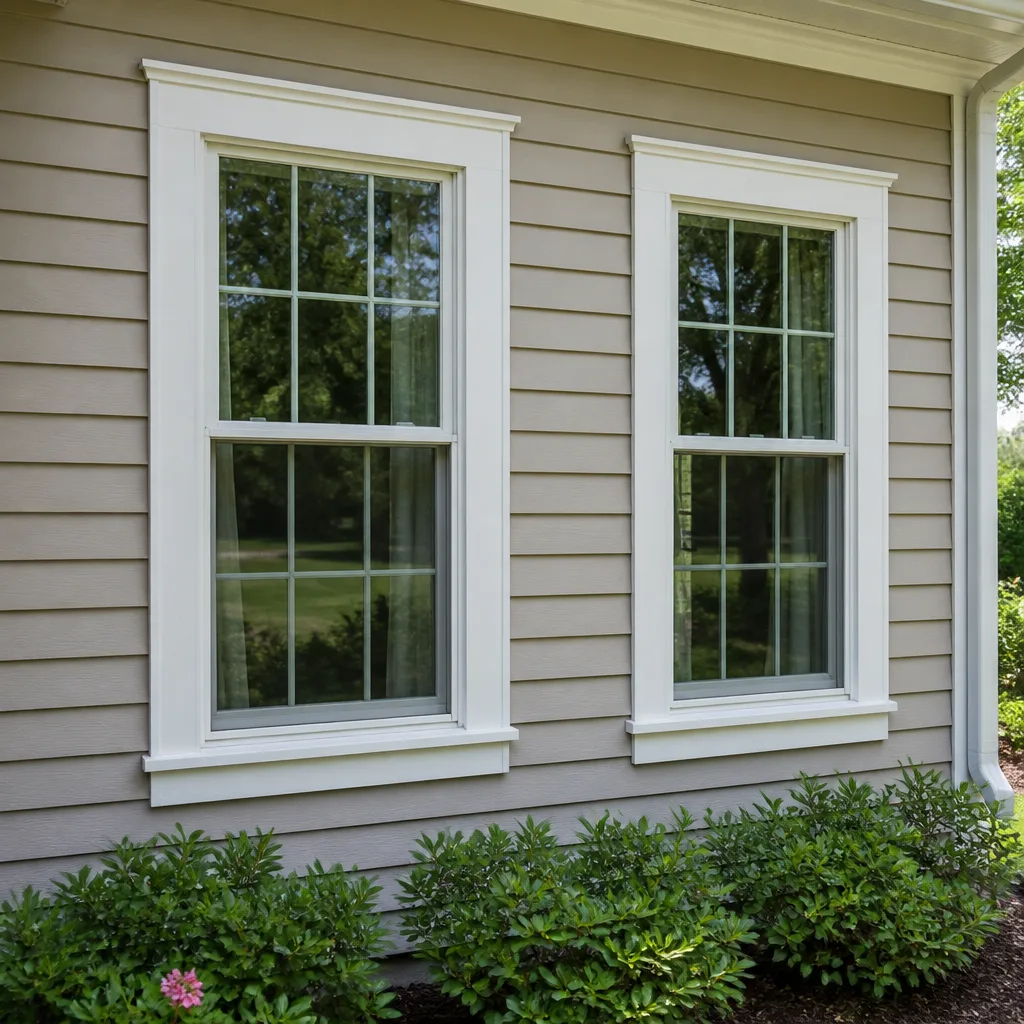 Double hung
 Horizontal roller
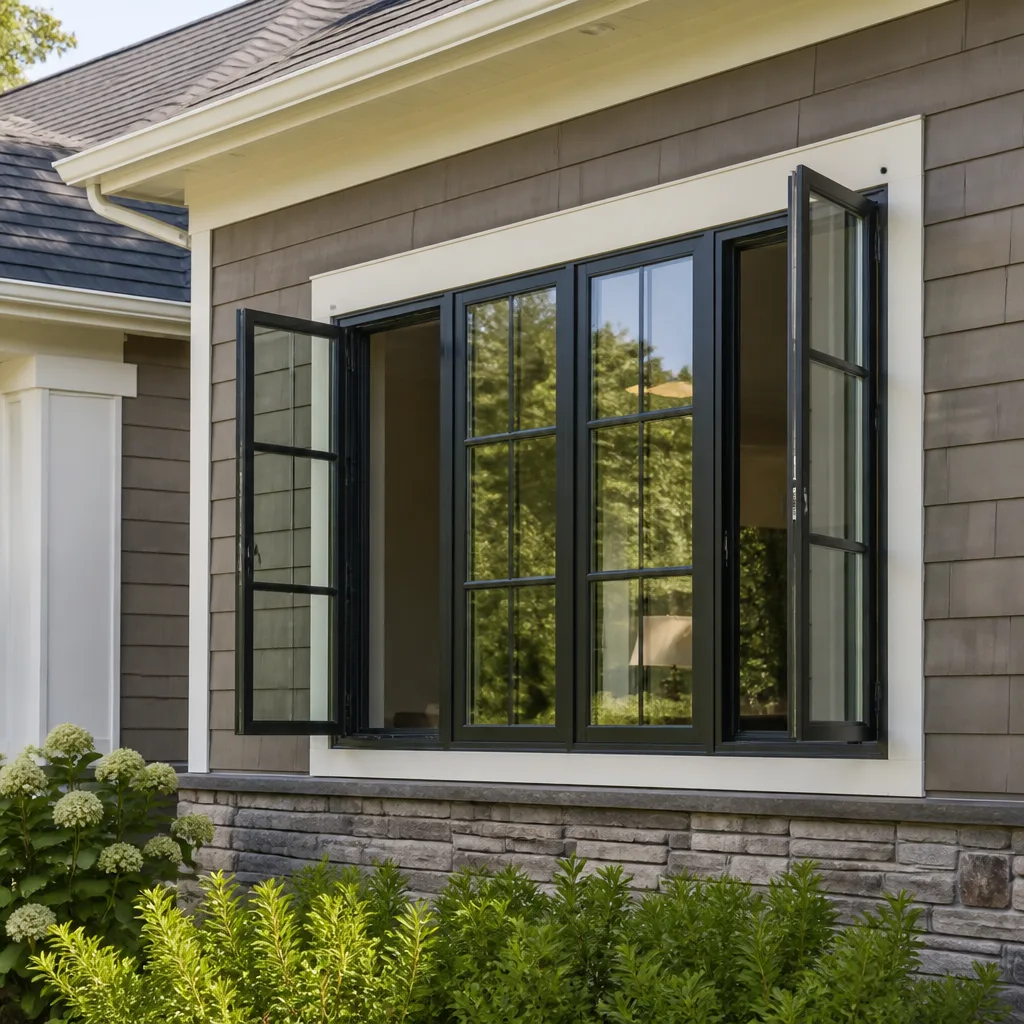 Casement
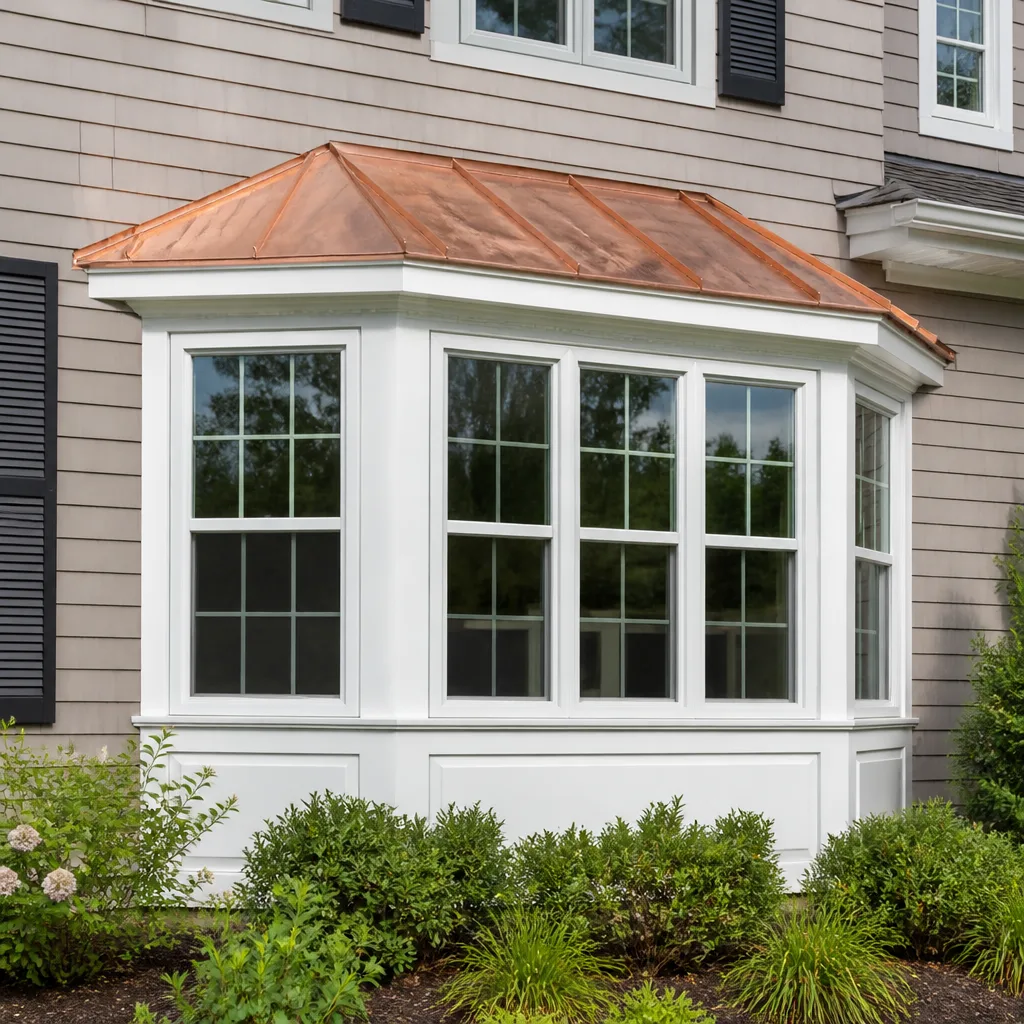 Bay & bow
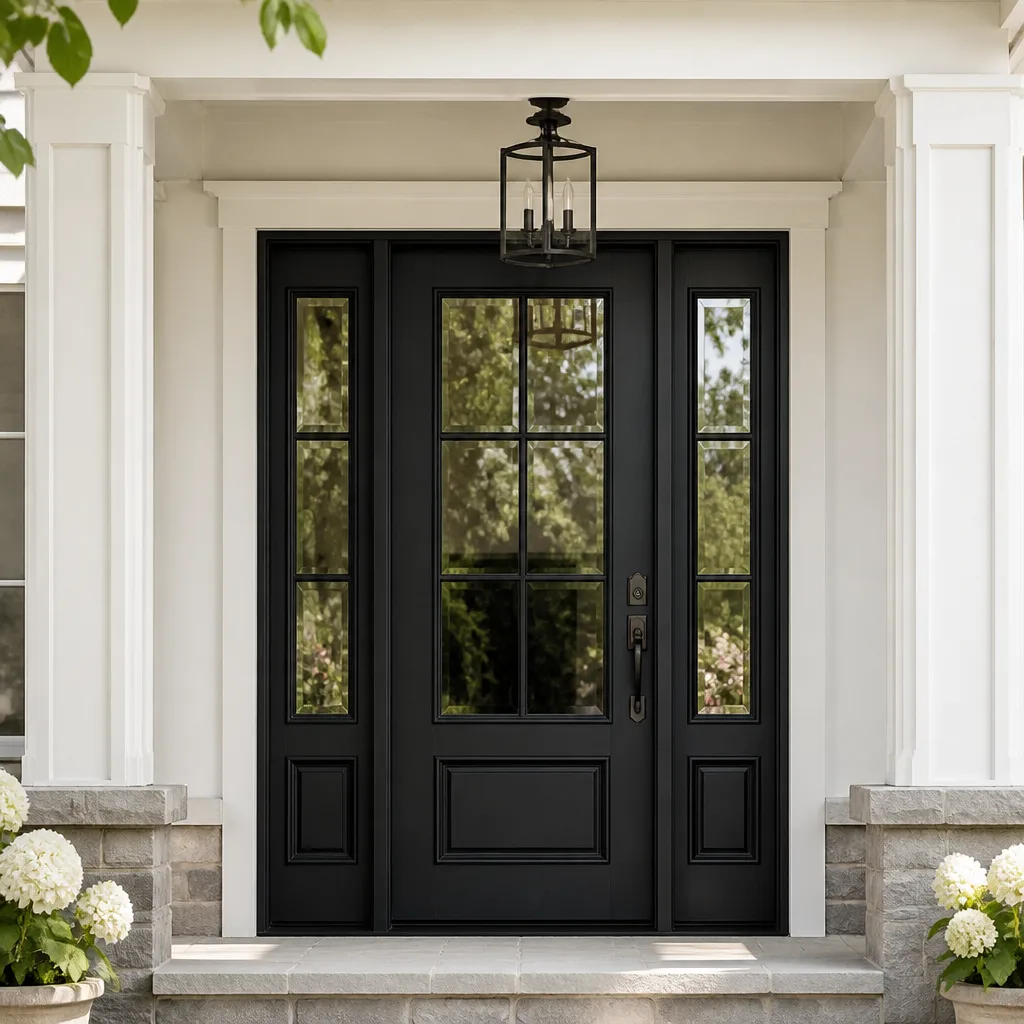 Entry doors
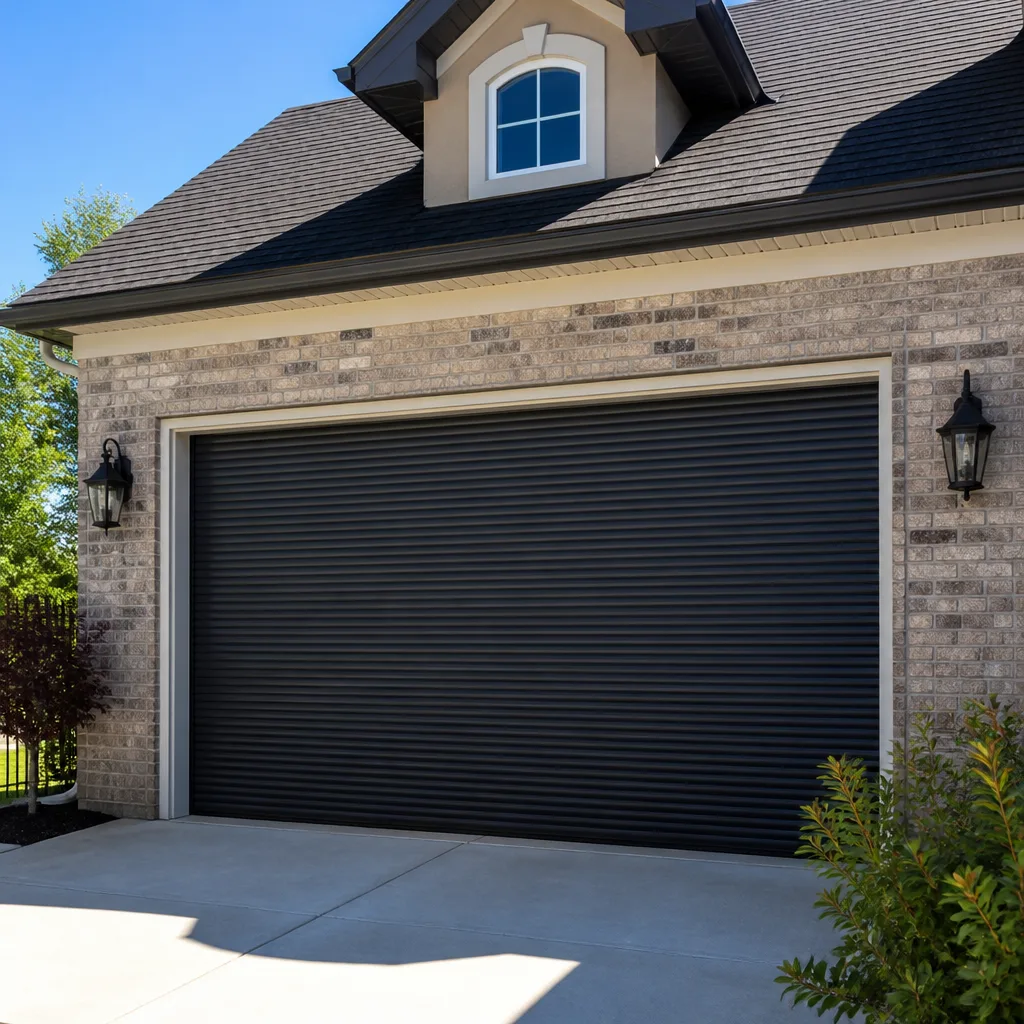
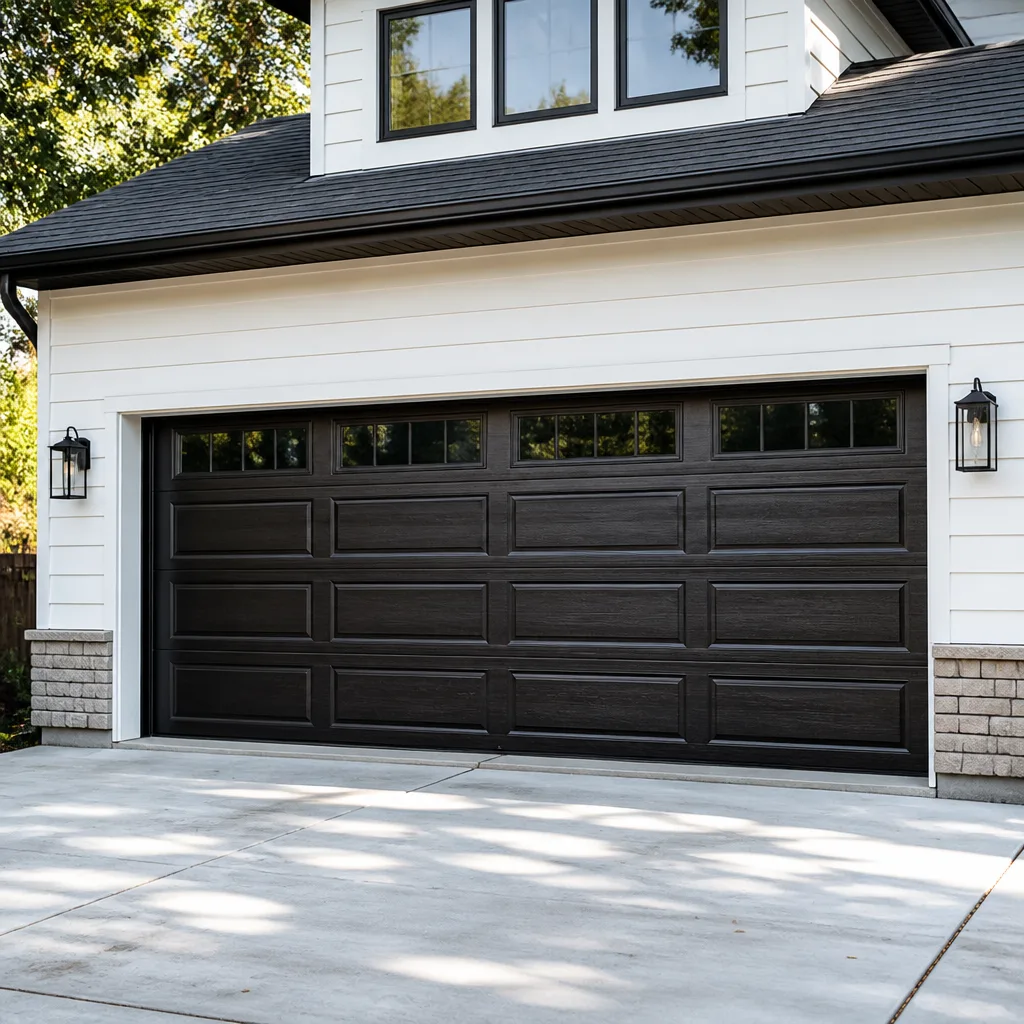 Impact garage doors
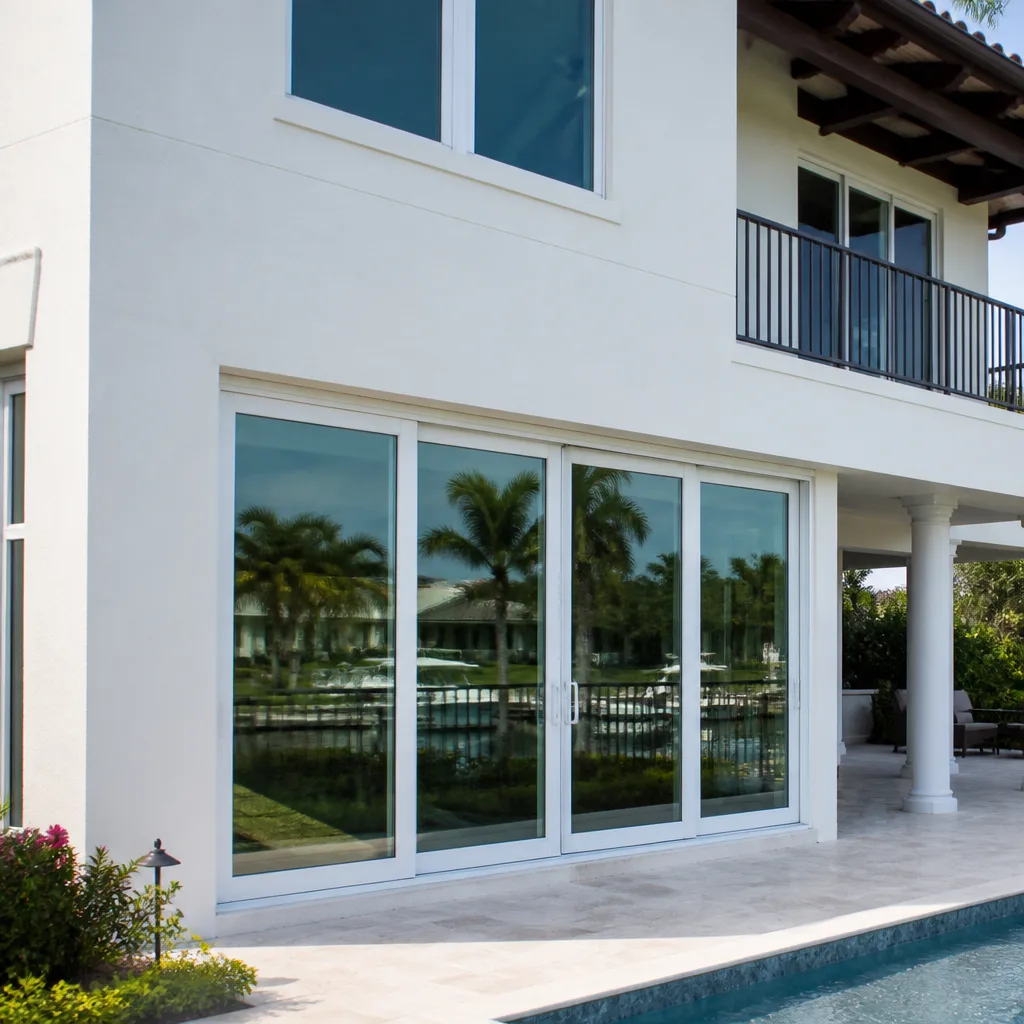 PGT
PGT CGI
CGIFree in-home measure and quote - PGT, CGI and CWS impact lines compared on your actual openings, style by style
Get your free estimateThe Complete Guide to Windows & Doors in Pasadena
More than 60 percent of Pasadena’s single-family homes were built before 1960, which means the rough openings behind those walls were sized for standards that no longer exist. A 1920s Craftsman bungalow in Bungalow Heaven was not framed for a modern double-pane vinyl window, and a 1952 stucco ranch in Linda Vista was not framed for a fiberglass door with thermal breaks. Ordering new products without first understanding what your specific Pasadena house will accept is the single most common reason window and door projects stall, blow past budget, or end with a product that fights the architecture instead of serving it. This guide maps the variables most contractor walkthroughs skip: the wall depth, the overlay zone, the manufacturer fit, and the room-by-room priorities that actually move the needle on comfort and resale in Pasadena.
Styles & brands we work with
Quick Answer
The right windows and doors for a Pasadena home depend on three things most guides & resources never mention together: your house’s construction era, your parcel’s historic or design overlay status, and the wall depth behind the trim. Pre-1940 Craftsman homes typically need wood or wood-clad windows with custom jamb extensions, 1950s ranch homes work well with flush-fin vinyl or aluminum, and newer homes can accept nearly any modern frame. Before shopping, look up your parcel’s overlay zone and measure the wall depth at one window – that single measurement eliminates roughly half of all products that will not fit properly.
Table of Contents
- Pasadena’s Window & Door Landscape
- How Pasadena’s Overlay Zones Shape What You Can Buy
- Wall Depth: The Hidden Constraint Behind Your Trim
- Manufacturer Fit: Four Brands We Map to Pasadena Homes
- A Room-by-Room Priority Framework for Pasadena
- What the Cedarwell Care Promise Changes About Accountability
- How to Assess What You Have Before You Shop
- Common Mistakes to Avoid
- When to Call a Professional
- Frequently Asked Questions
Pasadena’s Window & Door Landscape
Pasadena is not a single housing market. It is three distinct construction eras sitting on top of one another, and each era has different rough opening sizes, wall depths, and aesthetic expectations. A homeowner in the Historic Highlands neighborhood faces completely different constraints than someone in a 1990s infill house near Hastings Ranch, even if both are shopping for the same “replacement window.”
The first era runs roughly from 1900 to 1940, when Pasadena was building its Craftsman bungalows, Spanish Colonials, and the occasional Tudor. These homes have true dimensional lumber framing, plaster walls over wood lath, and windows that were often custom-built on site. Rough openings vary by as much as an inch and a half within the same house. Wall depth is typically 5-1/4 to 5-1/2 inches for a 2×4 framed wall with 3/4-inch exterior sheathing and 3/4-inch interior plaster, but you will find variation room to room because different additions happened decades apart.
The second era, 1945 to 1975, produced Pasadena’s ranch and post-war tract housing. These homes are more standardized. Walls are nominal 4-1/2 inches of stud plus drywall on each side, usually coming in close to 4-7/8 inches total. Windows were still mostly wood or aluminum-framed single glazing, but the rough openings are more consistent because building was faster and approved plans were followed more closely.
The third era is everything after 1980: infill construction, ADU conversions, and whole-house rehabs. These homes were built under modern Title 24 energy requirements, so wall assemblies are often thicker with exterior insulation and rain screens. Wall depth ranges from 6 to 8 inches, and rough openings finally match the nominal sizes printed in manufacturer catalogs.
Why this matters: when a manufacturer’s stock window is built for a 4-9/16-inch wall and your 1918 Craftsman has a 5-1/2-inch plaster wall, that quarter-inch difference shows up as a deep interior sill with awkward extension or an exterior trim mismatch that lets water find the framing. Fixing it after installation costs more than choosing the right product in the first place. This is why window replacement in Pasadena starts with a wall-depth measurement, not a catalog page.
Key Takeaways
- Pasadena homes fall into three construction eras with distinct wall depths and opening sizes.
- Pre-1940 homes have the most variation between rough openings, even in the same room.
- Post-1980 homes align most closely with modern manufacturer specifications.
- Measuring wall depth before choosing a product prevents costly jamb extension work later.
How Pasadena’s Overlay Zones Shape What You Can Buy
Pasadena has active Historic District (HD) and Design Overlay (DOT) zones that restrict specific window and door details: frame color, grille pattern, glass type, and whether you can change a window’s size at all. This surprises homeowners who assumed window replacement is an interior improvement with no city oversight. It is not.
If your home sits within a designated historic district, like Bungalow Heaven or the Orange Heights Historic District, any change visible from the street requires review. The city’s planning department evaluates the work against the Secretary of the Interior’s Standards, which are national guidelines but applied with Pasadena-specific interpretations. A double-hung wood window painted white may be approved in one district and denied in another if the original was painted a specific color or featured a particular divided-light pattern.
Design overlay zones (DOT) apply to newer neighborhoods and commercial corridors, but they still restrict the aesthetic. In many DOT areas, the city wants windows to match the visual rhythm of the street, which often means no reflective glass, limited color palettes, and specific grille profiles. Reflective tint that is standard in Phoenix is frequently denied in Pasadena because it changes the building’s appearance from the sidewalk.
How to check your parcel before shopping:
- Visit the City of Pasadena’s Planning and Community Development webpage.
- Use the interactive parcel map to find your address.
- Look for “HD” (Historic District) or “DOT” (Design Overlay) designations on your parcel.
- If your parcel has no overlay, you still need to comply with the city’s base zoning code for window and door changes, but the review path is simpler.
- If your parcel is in an HD zone, request a pre-application meeting with a city planner before finalizing any product selection. This costs a small fee and prevents a full denial after installation.
We have watched Pasadena homeowners order bronze-framed windows for a DOT-zoned stretch of Washington Boulevard and get told by the city to swap to white before they could pass final inspection. That mistake costs roughly $400 to $900 per window in reordering, shipping, and reinstalling, and it is entirely avoidable with a five-minute parcel lookup. We mention this not to scare, but because nobody told them, and the city does not call you back after the fact.
Wall Depth: The Hidden Constraint Behind Your Trim
Wall depth is the measurement from the interior face of the drywall or plaster to the exterior face of the sheathing or stucco. It determines whether a window or door jamb sits flush, protrudes, or requires custom extension pieces. Most manufacturers build stock products for a 4-9/16-inch or 6-9/16-inch wall, and anything outside that range means either custom-order products or ugly jamb extensions that reveal themselves as wide interior casings or exposed foam.
In Pasadena, the three construction eras give you three different wall-depth realities:
- Pre-1940 Craftsman and Spanish Revival: Walls often run 5-1/4 to 5-1/2 inches deep after plaster and exterior shingles or stucco. This is a half-inch to three-quarters beyond the stock 4-9/16-inch jamb, so wood windows with custom jamb depths or extension profiles from manufacturers like ES Windows are typically the cleanest fit.
- 1950s and 1960s ranch homes: Walls run closer to 4-7/8 to 5 inches. Flush-fin vinyl, like products from ECO Window Systems, and standard aluminum windows seat well with only minor interior trim adjustments. These are the most forgiving Pasadena homes for off-the-shelf products.
- Post-1980 and newer construction: Wall depths of 6 to 7 inches are common due to modern energy codes and exterior insulation. Products like Mr-Glass impact windows and Therma-Tru doors with adjustable jambs are already spec’d for these depths, so installation is faster and cleaner.
The measurement matters most at exterior doors. A pre-war Pasadena home with a 5-1/2-inch wall and a stock 4-9/16-inch door jamb will show a visible gap or require an unsightly interior casing buildup. Therma-Tru builds door systems with multiple jamb widths, but you have to order the right one before the old door comes out. We have gone into door installation in Pasadena projects where the homeowner already purchased a beautiful fiberglass door online, and the jamb was too narrow for the wall. It could not be returned because it had been special ordered. The right conversation before purchase would have saved the whole thing.
Manufacturer Fit: Four Brands We Map to Pasadena Homes
Lightwell Windows Pasadena carries eight manufacturer lines, but we do not present all eight to every homeowner. The point of carrying a curated set is that the recommendation fits the house, not the installer’s preferred vendor agreement. Here is how we think about four of the brands most relevant to Pasadena’s housing mix.
ES Windows suits the pre-1940 Craftsman and Spanish Revival stock best. These are aluminum-framed windows with a narrow sightline, which reads as delicate against a wood exterior and matches the slim profiles original steel and wood windows had. The aluminum frame also means custom colors that hold up in Pasadena’s summer sun without the chalk and fade that cheaper powder coats develop after five to seven years. For a Bungalow Heaven double-hung replacement, ES Windows is our usual starting point because the frame dimensions can be tailored to a 5-1/2-inch wall without visible extensions.
ECO Window Systems fits the broad middle of Pasadena’s housing stock: the 1950s ranch, the 1960s tract home, and even the ADU conversion above a garage. These are impact-rated and energy-rated products at a price point that makes sense when you are replacing ten windows in a home that will not support a premium architectural product price-wise. The flush-fin profiles seat well on 4-7/8 to 5-inch walls, and the thermal performance is strong enough for Pasadena’s hot, dry summers and cool winter nights.
Mr-Glass is our answer for newer construction and for homeowners who want impact glass without the visible bulk of traditional hurricane-rated frames. In Pasadena, impact-rated windows are not required by code, but homeowners in canyon-adjacent neighborhoods and high-wind areas of the San Gabriel foothills ask about them. Mr-Glass balances the impact rating with cleaner sightlines, and the frames can be ordered for deeper wall assemblies common in post-1980 infill construction.
Therma-Tru is a door-specific line, and it is the brand we recommend when a Pasadena homeowner wants a new entry door with authentic Craftsman or Spanish Revival detailing: grain textures, glass inserts, and jamb options that can be matched to pre-war wall depths. The fiberglass construction means the door will not warp in Pasadena’s dry heat the way solid wood doors can, and the adjustable jambs solve the wall-depth issue that plagues older openings.
The wider point is that no single brand is right for every Pasadena home, and a salesperson who only carries one brand will steer your house toward that product whether or not it fits the wall, the style, or the overlay requirement. That is exactly the position we work hard not to put you in.
A Room-by-Room Priority Framework for Pasadena
Homeowners often ask us which windows to replace first. The answer in Pasadena is different from Phoenix or coastal Los Angeles because our climate has both temperature extremes and our homes are older and leakier than most of coastal Southern California. Pasadena summer highs regularly reach the mid-90s, and winter nights can drop into the 40s. The sun is intense from the south and west, and wildfire-season air quality pushes families to keep windows closed for days at a time, even when it is comfortable outside, making seasonal windows & doors care especially important.
Given those conditions, here is the priority order we recommend for most Pasadena homes:
- West and south-facing windows first. These openings receive direct afternoon sun from April through October. Replacing them with low-E glass reduces solar heat gain enough to feel the difference in a room within the first summer. If you can only afford a few windows, do the south and west walls.
- Entry door and any door with a weather seal. A warped or badly sealed entry door is a comfort problem and an air-quality problem during Santa Ana winds. If you can see daylight around the door or feel a draft, the HVAC system is fighting it daily.
- Bedroom windows, especially children’s rooms. These affect sleep quality more than any other single window in the house. In Pasadena neighborhoods with street noise, like those near Colorado Boulevard or the 210 corridor, a bedroom window with improved acoustic performance changes how the whole family sleeps.
- Kitchen windows above counters. These are usually the most-failed windows in a home because heat from cooking and years of humidity stress the seals. Replacing a fogged kitchen window improves the room’s light, which is the whole point of calling the company Lightwell. A light well is what brings daylight deep into a building, and that is what a well-installed kitchen window should do for your home.
- Bathroom windows. These are typically small and lower-cost, but they are often the leakiest because bathroom humidity works on the seals from the inside while sun beats on the glass from the outside. If mold or mildew is forming on the interior frame, that window is done.
- Sliding glass doors to patios and yards. Pasadena’s indoor-outdoor living culture means these doors get constant use. If the track is worn and the panel drags, the problem only gets worse, and the replacement gets more expensive as the frame shifts.
This order is not universal. A home in the Historic Highlands with original wood windows and a landmark preservation requirement may need a different sequence driven by city approvals. A mid-century ranch in Colorado Oaks with aluminum windows from 1972 will get more energy savings from a full-frame replacement than from spot replacements. But the framework gives you a starting point for budgeting and phasing the work.
What the Cedarwell Care Promise Changes About Accountability
Most window and door projects fail on accountability, not product. The product is specified, ordered, and installed exactly as promised, but the experience falls apart when dust stays on the floor, furniture gets moved without asking, the final invoice is higher than the estimate, or the homeowner cannot reach anyone when there is a problem. That is the structure of a general contractor who subs the window work to a separate crew with no ongoing responsibility after they pack their tools.
The Cedarwell Care Promise exists because Pasadena homeowners have been burned by exactly this. Lightwell Windows Pasadena has operated under the promise since 2010, and it changes the accountability structure in four ways:
- Written price before any work starts. You receive the full price in writing before a single window is ordered. There is no percentage added at the end for “unforeseen conditions.” If we find something behind the wall that changes the scope, we stop and explain it before continuing, with a revised number you approve first.
- C.A.R.E. values on every visit. Our technicians follow four rules: Clean up like it is our own home. Ask before we move or touch anything. Respect the family’s time and quiet hours. Explain the price before the work. These are not suggestions. They are the operating standard, and we hire and train against them.
- 365-Day Done Right Promise. If the finished work is not right, Lightwell makes it right – no debate, no countdown. This applies to every job, including the small ones.
- A live person answers the phone 24/7. If a new window leaks during a November rainstorm or a door binds after a heat wave, you will reach a human being, not a voicemail maze. Keith Yamada takes these calls personally when they come in after hours.
What this means practically: shoe covers and drop cloths on every visit, including the measurement visit. A photo of the clean-up before the crew leaves, so you can see what they saw. Pet-safe sealants and caulk wherever there is a choice, because kids and pets are in these rooms every day. These are small practices, but they are the difference between a crew that treats your house like a job site and one that treats it like a home.
How to Assess What You Have Before You Shop
You do not need to be a contractor to gather the basic information that will make every subsequent conversation faster and less confusing, though hiring a windows & doors contractor in Pasadena becomes easier once you have it. Here is a step-by-step process you can do in about two hours on a Saturday morning.
- Measure wall depth at one window in the living room and one in a bedroom. Open the window, measure from the interior wall face to the exterior wall face using the window casing as a reference. Write both numbers down. If the two numbers differ by more than 1/4 inch, note that too.
- Count your windows and doors by type. Separate double-hungs, casements, fixed picture windows, sliding doors, and entry doors onto a one-page list. This matters because different types have different lead times and price structures.
- Note which windows face south and west. Draw a rough compass on your list. These are the solar-load glass candidates and should get the best low-E coating in your budget.
- Look up your parcel’s overlay status. Use the City of Pasadena planning page as described earlier. If you are in an HD or DOT zone, write that down at the top of your notes.
- Photograph any visible damage: fogged glass, rotted wood, cracked stucco around frames, or doors that stick. These photos become your reference set for quoting and will prevent you from forgetting half the issues when you talk to a professional.
With those five steps done, you can walk into any consultation already knowing your wall depth, your window inventory, your solar orientation, and your zoning status. That puts you ahead of 90 percent of homeowners and makes it far harder for anyone to sell you a product that will not fit or will not pass inspection.
Common Mistakes to Avoid
- Ordering replacement windows without measuring wall depth first. This is the most common and most expensive Pasadena-specific mistake. A pre-war home with 5-1/2-inch walls will not take a stock 4-9/16-inch jamb without extension work, and you will not know until the installer is already inside the wall.
- Changing window frame color in a DOT zone without checking first. Pasadena design overlay rules can require specific frame colors and finishes. The city will not waive the requirement because the windows are already delivered.
- Replacing windows yourself in a home with original wood sash and weights. The weights and pulleys are embedded in the wall cavity. If you do not know how to rebalance the opening, the new window will not operate correctly, and the DIY fix often damages the plaster around the frame, which costs more than the window itself.
- Choosing the cheapest glass package for a west-facing room. You will pay for that decision every summer afternoon for as long as you live in the house. Low-E glass on solar-load windows in Pasadena typically pays for itself in comfort within the first year, not in energy savings alone.
- Reusing the old interior trim when it is cupped or splitting. Pasadena’s dry climate and big temperature swings are hard on interior wood. Reinstalling damaged trim around a new window ruins the visual result and creates gaps for air movement.
- Hiring a window contractor who cannot tell you which brand they are quoting. If the quote just says “energy-efficient vinyl windows,” you have no way to compare it to anything else. You should know the manufacturer, the frame depth, the glass package, and the U-factor for everything being quoted.
When to Call a Professional
Any window or door replacement that touches the exterior of your Pasadena home involves flashing, waterproofing, and building envelope work. If you get the flashing wrong, water finds the framing, and you will not see the damage until it is structural. Old homes with stucco exteriors need care around the window perimeter so the new unit seals against the existing weather barrier. Replacing a pre-war window on the second floor of a Bungalow Heaven home means working from a ladder while balancing a framed glass unit that weighs 60 to 90 pounds. These are jobs for a professional with the right training and insurance. Lightwell Windows Pasadena offers free estimates in Pasadena – call (626) 628-2308 to schedule one, and we will walk your home with you before you commit to anything.
Frequently Asked Questions
Most Pasadena window replacements run between $700 and $2,200 per opening depending on the frame material, glass package, and whether the wall depth requires custom jamb work. A standard vinyl replacement window in a 1950s ranch home starts near the bottom of that range, while a custom wood or wood-clad window in a pre-1940 Craftsman with jamb extensions lands at the top or beyond. The only way to get an accurate number is to measure the wall depth and count the openings, then call (626) 628-2308 for a written quote.
Yes, in most cases the City of Pasadena requires a building permit for window replacement when the opening size changes or structural work is involved. Like-for-like replacements in non-historic zones sometimes qualify for a simpler over-the-counter permit process. If your parcel is in a Historic District or Design Overlay zone, additional review applies before any work begins.
A typical Pasadena window replacement of 5 to 10 windows takes 2 to 3 days once the products arrive on site. Custom ordered windows from manufacturers like ES Windows or Therma-Tru typically have a 4 to 8 week lead time from order to delivery, so the biggest variable is waiting for the product, not the installation itself.
For pre-1940 Craftsman and Spanish Revival homes in Pasadena, our usual starting recommendation is ES Windows, which builds aluminum-framed windows with narrow sightlines and custom jamb depths that match the 5-1/2-inch walls common in that housing stock. The brand allows for restored-frame colors and divided-light patterns that read historically without sacrificing thermal performance.
Yes, and it should be handled with specific protections: drop cloths over the floor, shoe covers on every entry, pet-safe sealants and caulk alternatives wherever available, and quiet tools during nap hours if the family requires it. The C.A.R.E. values we operate under include cleaning up like it is our own home and asking before moving anything, which are non-negotiable standards, not courtesies.
The 365-Day Done Right Promise means that if the finished window or door installation is not right, Lightwell makes it right – no debate, no countdown. It applies to every job, including small repairs and single-window replacements, and it is backed by the Cedarwell Care Promise, which has been operating in Pasadena since 2010.
Check your parcel on the City of Pasadena’s online planning map and look for “HD” or “DOT” designations. If either appears, any change visible from the street, including window frame color and grille pattern, requires city review before installation. This lookup takes five minutes and prevents a denial that would require reordering product at your expense.
The Bottom Line
The right windows and doors for a Pasadena home are determined by construction era, wall depth, and overlay zone more than by brand marketing or energy-label claims. Measure your wall depth, look up your parcel, photograph what is wrong, and you will already be ahead of the process. From there, choose a partner who puts the price in writing before any work starts and stands behind the finished job without fine print. That is how a well-installed window should function: light coming in, drafts staying out, and the house looking like it belongs to itself. Call (626) 628-2308 to talk through your Pasadena window and door questions, and we will start with the measurements that matter.
Written by Keith Yamada, Owner at Lightwell Windows Pasadena, serving Pasadena since 2010.
See the difference
 Before
 After
After Before
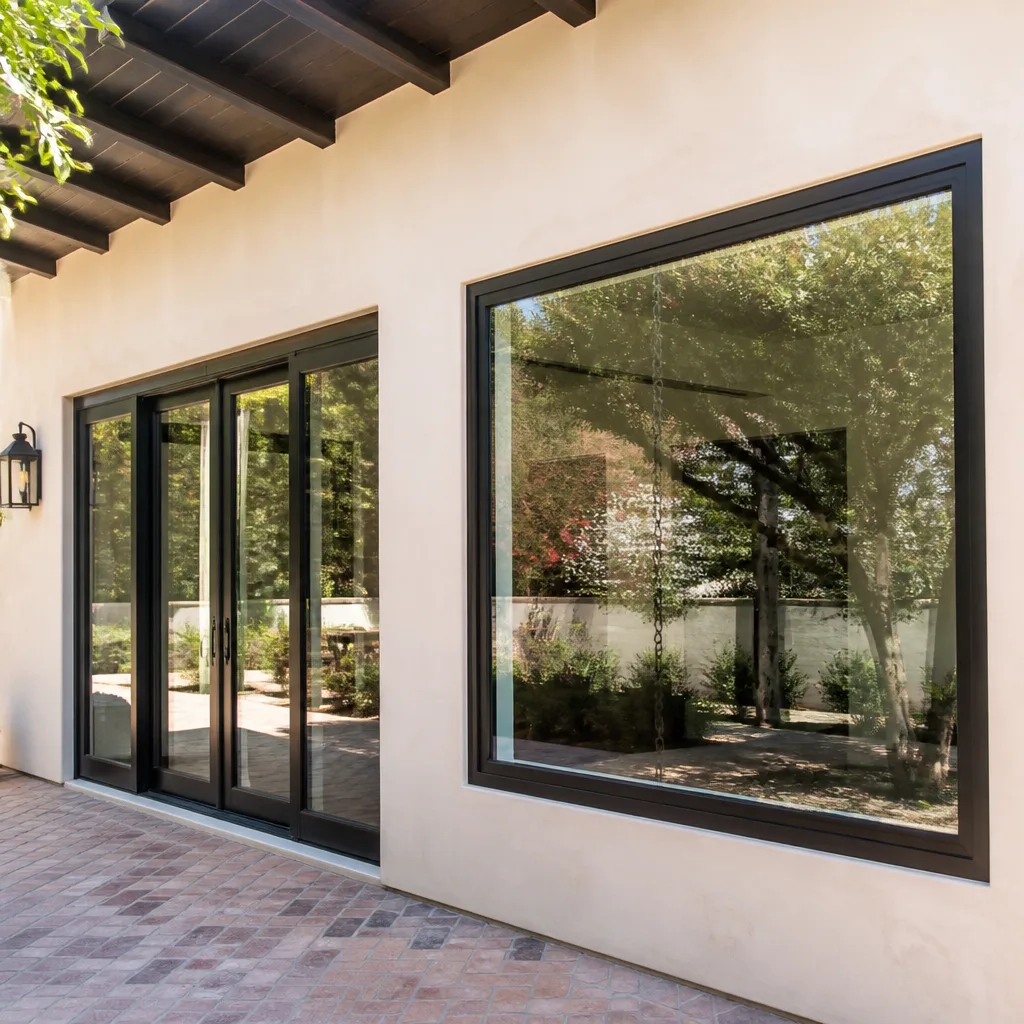 After
After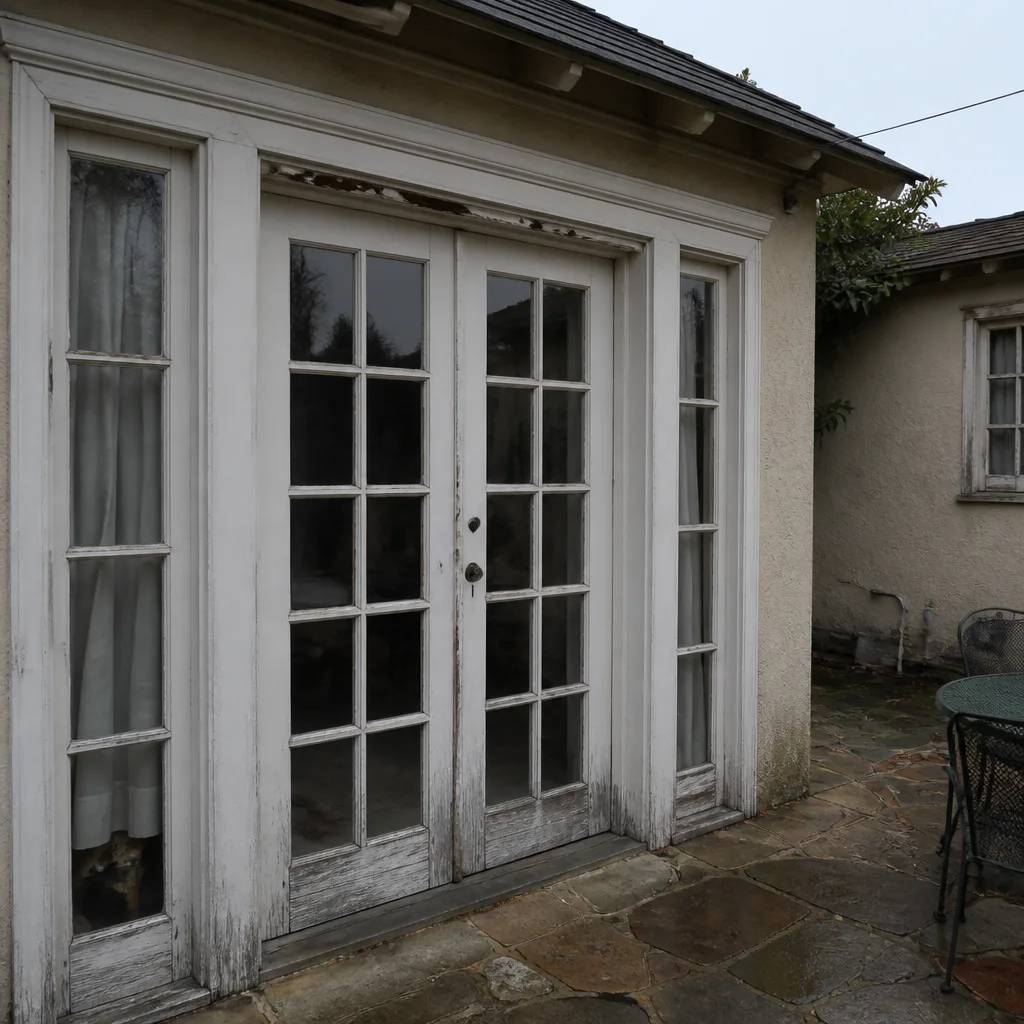 Before
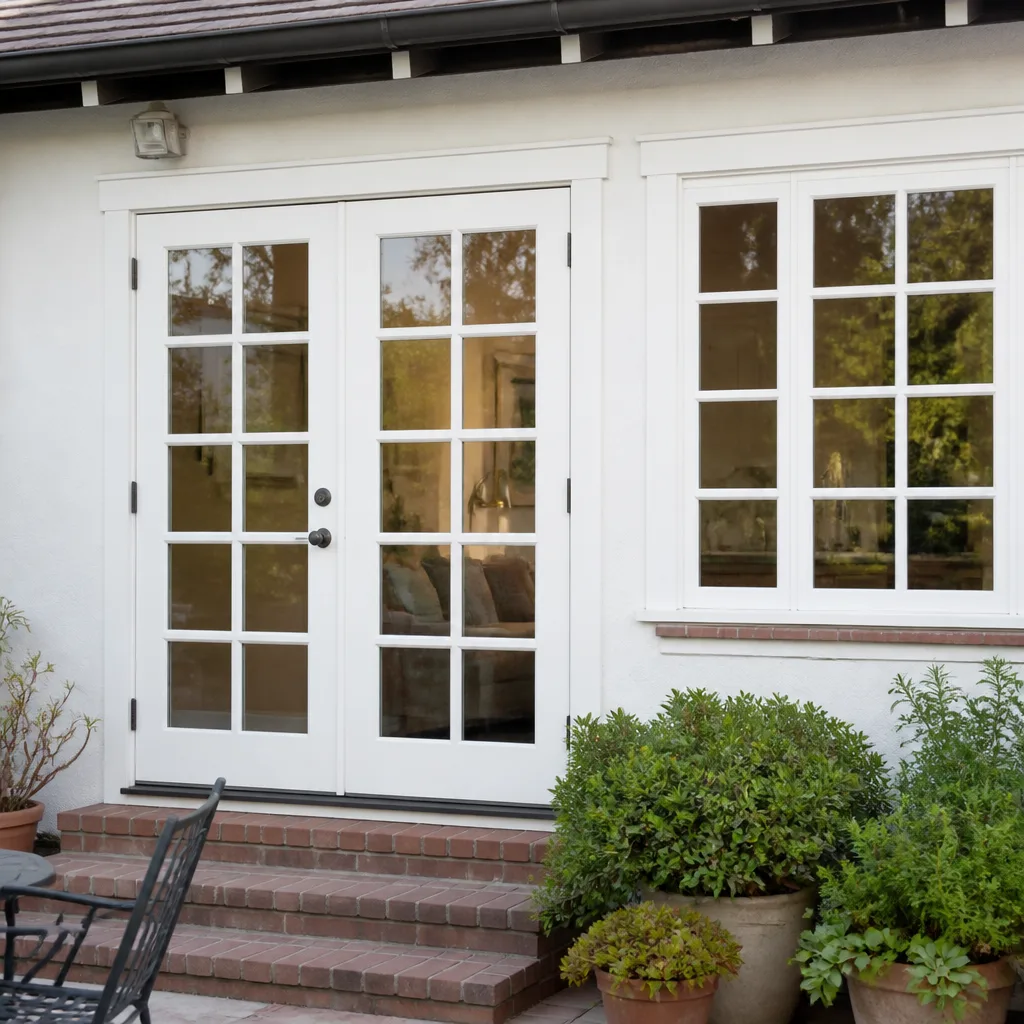 After
AfterSix Reasons Homeowners Choose Lightwell Windows Pasadena
Laminated glass and reinforced frames hold up to wind-driven rain, hail and flying debris, so your openings stay sealed when the weather turns.
Low-E insulated impact glass from our manufacturer lines commonly cuts monthly cooling bills 20-30%.
Laminated impact glass shuts out up to 40% of outside noise - traffic, neighbors, weather.
Monitoring services run $30-90 a month. Laminated impact glass resists forced entry around the clock, with no subscription.
Tighter seals and insulated glass even out hot and cold rooms and stop the drafts at the frame.
A full impact package upgrades curb appeal, buyer confidence and appraised value in one project.