
Last updated October 17, 2026
 Sliding glass doors
 Double hung
 Horizontal roller
 Casement
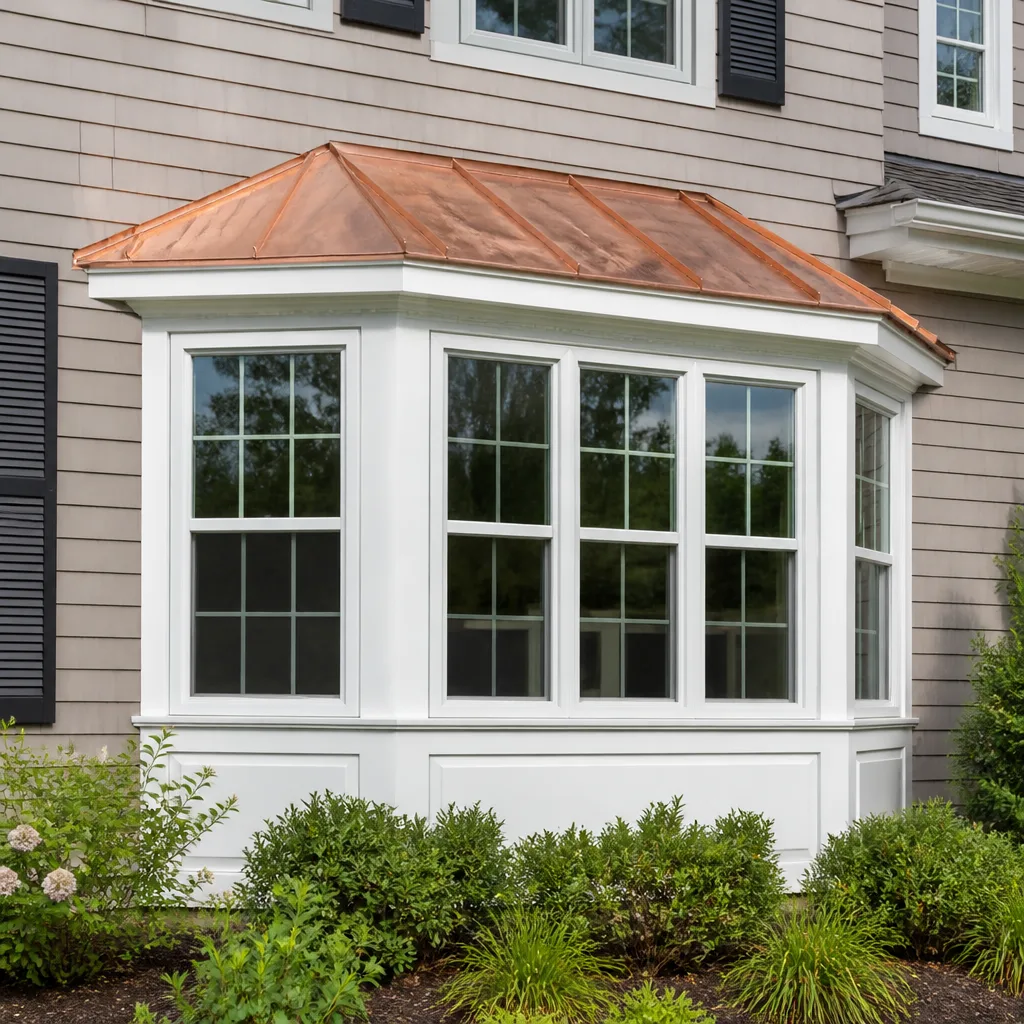 Bay & bow
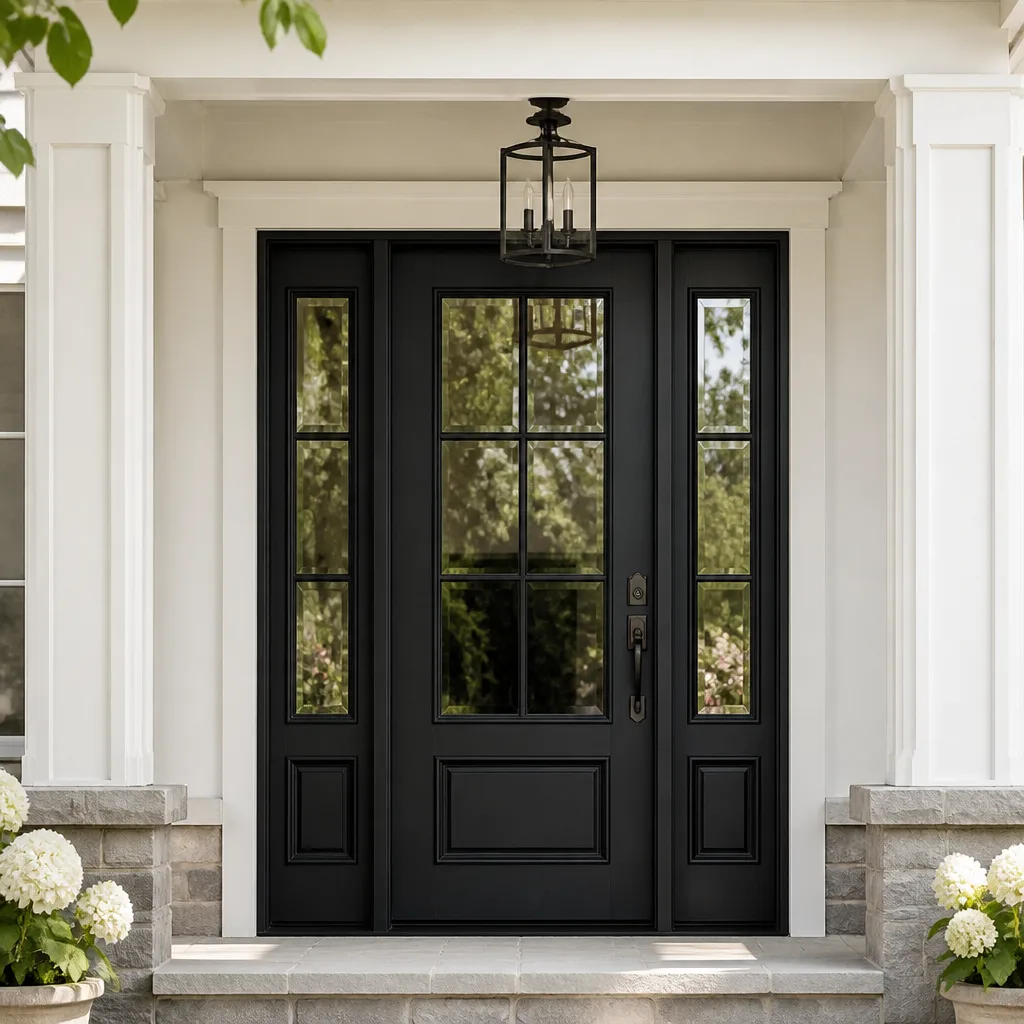 Entry doors
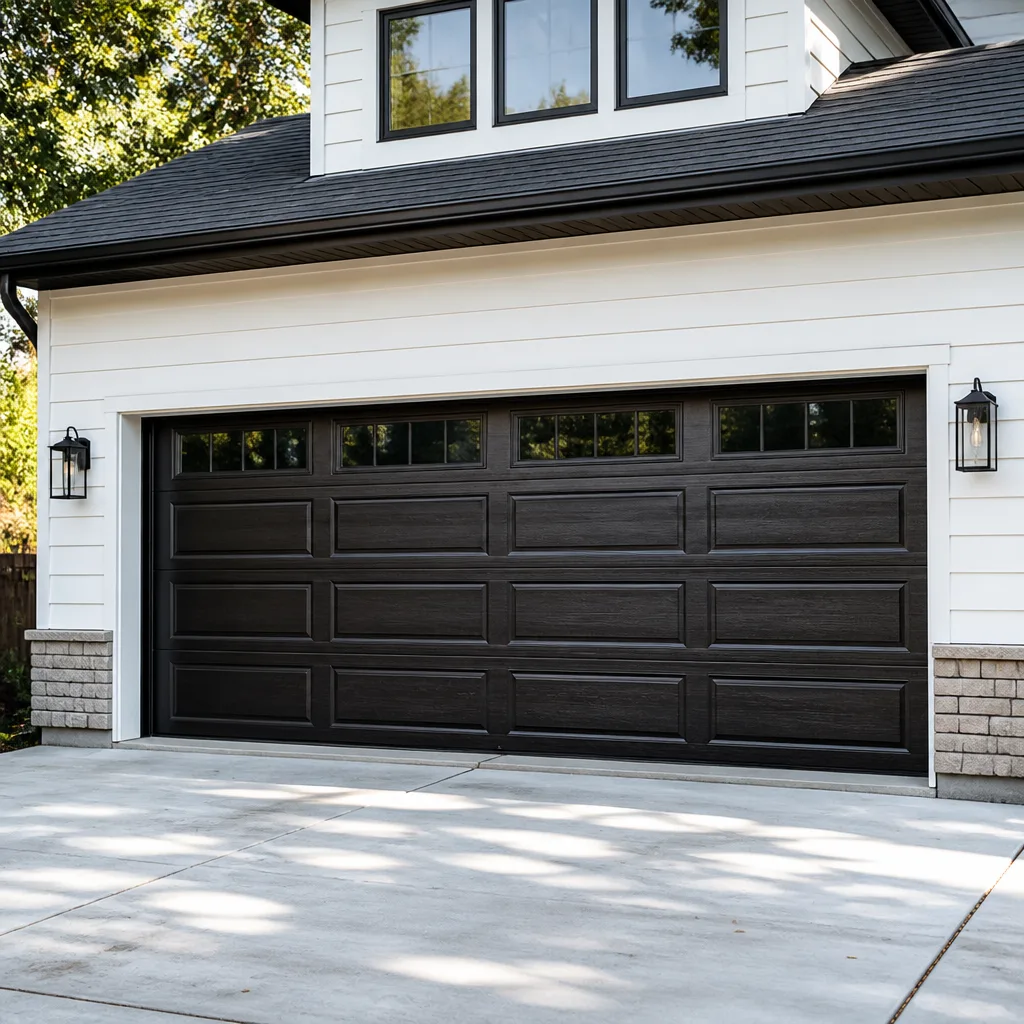 Impact garage doors
 PGT
PGT CGI
CGIFree in-home measure and quote - PGT, CGI and CWS impact lines compared on your actual openings, style by style
Get your free estimateWindows & Doors Warning Signs: A Pasadena Homeowner’s Reference Guide
A foggy window is not dirty glass. It is a failed insulated glass unit seal, and once that seal is gone, the argon or krypton fill that makes the window energy-efficient has already escaped. No amount of cleaning will restore the performance. In Pasadena’s heat, that failed unit is adding measurable dollars to every summer utility bill. This guide names exactly what each symptom means, what it will cost to ignore it, and what it will cost to fix it now, so you are never guessing when a problem is cosmetic and when it is structural. We’ve written this specifically for Pasadena homes, where heat, expansive soils, and stucco construction create failure modes you will not see in a generic national article. For a deeper look at protecting your home, see The Complete Guide to Windows & Doors in Pasadena.
Styles & brands we work with
Quick Answer
The most common window and door warning signs in a Pasadena home are condensation between glass panes (a failed IGU seal), drafts felt at a fully closed frame, visible daylight around a closed door, hardware that suddenly feels loose, and peeling paint at interior sills. Each one points to a specific underlying cause: seal failure, frame warping, foundation movement, hinge or roller wear, or water intrusion. Some of these can be monitored and scheduled on your timeline. Others need attention before the next rain or the next heat wave.
Table of Contents
- Condensation Between Panes: Failed IGU Seal
- Drafts at Closed Frames: What the Air Is Telling You
- Visible Daylight Around Door Stops
- Loose Hardware: Hinge Wear, Roller Wear, or Foundation Shift
- Peeling Paint at the Interior Sill: Water Intrusion
- Stucco Separation at the Window Head: A Pasadena-Specific Failure Mode
- Sticky or Hard-to-Operate Doors: Swelling, Settling, or Shift
- The Go/No-Go Decision Framework
- Common Mistakes to Avoid
- When to Call a Professional
- Frequently Asked Questions
- The Bottom Line
Condensation Between Panes: Failed IGU Seal
When you see fog, haze, or water droplets between the two layers of glass in a double-pane window, you are looking at a failed insulated glass unit, or IGU. The seal around the perimeter of the glass unit has broken. The desiccant inside the spacer bar (the strip that keeps the two panes apart) has absorbed all the moisture it can hold, and now the moisture is visible on the interior glass surface where you cannot reach it from either side. This is not a surface condensation problem. Seasonal surface condensation on the room side of the glass, the side you can wipe with a towel, can be normal when warm, humid indoor air meets a cold glass surface on a cool Pasadena morning. But condensation that lives between the panes is permanently trapped and it tells you the window’s insulating gas fill, usually argon, has escaped through the failed seal.
Why does this matter in Pasadena? A double-pane window without its gas fill drops roughly to the performance of a single pane. In a city where July and August routinely push past 95 degrees, that is not a small thing. A failed south-facing window in a Pasadena Craftsman or mid-century ranch is working against your air conditioner every afternoon from June through October. The window still looks like a window. It just is not doing the job you paid for.
What a Failed IGU Costs to Ignore
- A failed IGU on a 36 x 48-inch window loses measurable insulative performance. Over 12 months in Pasadena’s climate, you are looking at a modest but real bump in cooling bills, typically $60 to $120 per window per year on a home with central air running through the hot season.
- The fog never gets better. It can worsen as the seal continues to degrade and the desiccant saturates fully.
- If left for years, trapped moisture can etch the interior glass surfaces, leaving permanent mineral deposits that cannot be cleaned, even after replacement of the IGU.
- In rare cases, a failed seal on a large, well-insulated window can create enough temperature differential stress to crack one of the panes during a rapid temperature change, such as a hot Pasadena afternoon followed by a cool desert night.
What It Costs to Fix Now
Replacing just the IGU, the glass package, typically runs $180 to $340 per opening in the Pasadena market, depending on the size, the type of glass, and whether the window is easily accessible from the exterior or interior. Replacing the entire window is usually $600 to $1,400 per opening for a standard double-pane vinyl or wood window, depending on brand and installation complexity. If the window frame is in good shape, and if it is a relatively modern window, an IGU swap is often the better math. If the frame is 25 years old, if the hardware is failing, or if the window is original to a 1960s Pasadena tract home, replacing the whole unit makes more long-term sense. We install windows from PGT and ViewLux, among others, and the right recommendation really depends on how far the rest of the window has aged.
If you are seeing condensation between panes on a window that is less than five years old, check your paperwork. It may still be under a manufacturer’s glass warranty. If you cannot find the warranty, call the company that installed it. If that company has closed or will not return your calls, window replacement in Pasadena may be the simpler path to a permanent fix.
Drafts at Closed Frames: What the Air Is Telling You
A draft at a fully closed and locked window or door means air is moving through a gap somewhere. In an older Pasadena home, especially a 1920s bungalow or a 1950s ranch, that gap is usually weatherstripping that has compressed, cracked, or fallen out altogether. But there is a more serious possibility: the frame itself has moved. Wood frames swell and shrink with Pasadena’s dry summers and the occasional heavy winter rain. Vinyl and aluminum frames can twist if installed improperly or if the rough opening was never square to begin with.
The way to distinguish one from the other is not complicated. Take a dollar bill, close and lock the window or door on it, and try to pull it out. If it slides out easily at one or two points but not others, that is a weatherstripping or alignment problem, often fixable with new weatherstripping or a slight hardware adjustment. If the gap is visible, and especially if you can see daylight through it, the frame is out of square or the sash has warped. That is not a weatherstripping fix. That is a replacement conversation.
Drafts are worth taking seriously in Pasadena for two reasons. First, the same gap that lets cool conditioned air out in August also lets fine dust in during Santa Ana wind events. Homeowners in Altadena and the upper Arroyo neighborhoods know this dust well. Second, a draft that comes and goes with the season, worse after rain and better after a dry spell, is often a wood window cycling with moisture. Each cycle slightly warps the sash until one year it will not close properly at all. At that point, the cost to repair often approaches the cost to replace.
Here is a simple ordered walk-through for a drafty window:
- Lock it. Locking actually pulls the sash tighter into the frame on most window designs. If the draft disappears when locked, the weatherstripping is doing its job and the problem is operator habits.
- Check the weatherstripping. Run a finger along each side of the sash. Brittle, flattened, or missing weatherstripping is the number one cause of window drafts in older Pasadena homes.
- Check the lock alignment. If the lock is hard to engage or the two lock halves do not line up, the sash has probably settled out of alignment.
- Check for daylight. On a bright day, turn off the room lights and look at the perimeter of the closed window. Daylight means a structural gap.
- Check the trim and caulking on the exterior. A draft is not always coming through the sash. Sometimes it is coming through a gap between the window frame and the rough opening, which points to an installation problem or failing exterior caulk.
If you land on steps 4 or 5, the window is telling you something that weatherstripping alone will not solve. That is when a professional evaluation makes sense. We never charge for an estimate, and we always put the price in writing before any work starts. You can learn more about how window installation in Pasadena handles older homes with out-of-square openings, because it is a common issue in this city.
Visible Daylight Around Door Stops
When you can see light between the door slab and the door stop, or between the door and the threshold, the door is not sealing. The causes range from the trivial to the genuinely serious. A sagging hinge will drop the door slab a quarter inch, creating a visible gap at the top corner on the latch side. A worn threshold weatherstrip or adjustable threshold cap will produce a gap at the bottom. Seasonal wood swelling, common in Pasadena’s older wooden entry doors after winter rain, can bow the slab enough to create a gap at the center of the frame. None of these are catastrophic, and each is generally repairable.
But a gap that appears at the top of the door on the hinge side, or one that appears suddenly and widens over time, is a different animal. That is a sign that the door frame itself is no longer square relative to the slab. In Pasadena, where significant portions of the city sit on expansive soils, a door frame that slowly twists out of square can indicate foundation movement. The same is true for a door that was perfectly fine for a decade and then, over the course of one wet winter, suddenly binds at the header and shows daylight at the bottom latch corner.
Here is the way to read the symptom:
- Gap at the top corner on the latch side, door slightly low on the latch side: Usually a sagging hinge. The fix is a longer top hinge screw or replacing the hinge.
- Gap at the bottom, even along the entire threshold: Usually a worn threshold or threshold weatherstrip that can be replaced.
- Gap at the top on the hinge side, or an uneven gap that changes with the seasons: The rough opening or the foundation is moving. This is the one that deserves an evaluation before you spend money on hinge repairs that will not hold.
- Gap at the strike side that widens when the door is deadbolted: The weatherstripping is compressed or the frame is out of alignment. In some cases, this is simply a poorly adjusted strike plate.
What does this cost to ignore? A daylight gap in an entry door is actively ventilating your conditioned space. By itself, it is probably $80 to $150 of heating and cooling loss per year. What it costs to fix depends entirely on what you find. A hinge adjustment might cost $80 to $150. A new Therma-Tru entry door, if the slab is warped beyond repair, runs $1,500 to $4,000 installed in Pasadena, depending on the model, the finish, and whether you are also replacing the frame. A foundation issue is its own separate conversation, one that is better had early.
For more detailed pricing on entry systems, see our guide to door installation in Pasadena.
Loose Hardware: Hinge Wear, Roller Wear, or Foundation Shift
A door handle, deadbolt, or window crank that feels loose when it was tight a year ago is rarely random. Hardware is attached to the slab and the frame. If the hardware itself is becoming loose, something has worn, and if you tighten it and it loosens again within months, that is a signal worth decoding rather than chasing with repeated screwdriver fixes.
Loose door handles: A handle that jiggles, or one that turns but the latch does not fully retract, often means the internal mechanism of the handle set has worn out. This is a simple replacement, $40 to $120 for the hardware from any decent supplier. But before you replace it, check whether the door itself is dragging on the frame. A door that drags forces the latch against the strike plate at the wrong angle, and that misalignment wears out handle mechanisms quickly. If you replace the handle without fixing the dragging, you will be replacing it again in two years.
Loose hinged doors on sliding patio glass: Pasadena has a high proportion of homes with sliding glass patio doors, both original aluminum frames from the 1960s and 70s and newer vinyl units. When the rollers wear out, the door drops. You feel it as a door that drags, that is hard to start moving, or that suddenly feels loose and rattly in its track. The door’s weatherstripping wears quickly once the door is no longer riding at the right height. Replacement rollers cost $15 to $40 each, and a sliding door typically needs two. The labor to remove the door and swap the rollers runs $150 to $300 in the Pasadena market. That is almost always cheaper than the energy cost of running a sliding door with a full-length bottom gap for a year.
Loose window cranks on casement windows: Casement windows are common in Spanish Colonial Revival and Mediterranean Pasadena homes. When the crank mechanism strips, the window will no longer close tightly, and a partially open casement window is a draft source disguised as a hardware annoyance. A replacement crank and operator mechanism is $60 to $180 depending on brand. If the window is a high-quality unit, visit the manufacturer’s parts site; if it is an off-brand window that is 30 years old, the real question is whether the money is better spent toward a new window.
When Loose Hardware Means Foundation Movement
In parts of Pasadena with expansive soils (the areas around Eaton Wash, parts of northeast Pasadena, and sections of Linda Vista), doors that were hung square will sometimes begin to bind at the top corner while the handle hardware starts feeling loose because the frame is now racked. The slab becomes a parallelogram in the frame. You can test for this with a simple observation: stand back and look at the gaps around the closed door. In a healthy door, the gaps are consistent, perhaps a quarter inch at the top and both sides. In a racked door, the top gap tapers from wide on one side to touching the frame on the other. That is not hardware wear. That is movement. Do not simply tighten the door handle and declare victory; get a foundation or door professional to take a look. The door is acting as an early-warning instrument for the house.
Peeling Paint at the Interior Sill: Water Intrusion
Paint peeling at an interior windowsill or along the bottom rail of a door threshold is a water signal. Water is coming in from somewhere, and it has been wicking into the wood for long enough that the paint is losing its bond. This is never simply a cosmetic touch-up, because the underlying damage does not disappear when you scrape and repaint. The water path remains.
The most common source on a Pasadena window is failed or missing exterior caulking at the top of the window casing, or at the junction where the window frame meets the stucco. In stucco homes, which make up a large share of Pasadena’s housing stock, the caulk joint between window flange and stucco is the critical seal. When that joint cracks and falls out, rain that strikes the stucco above the window runs down behind the window flange and into the rough opening. The first visible symptom is often not on the exterior at all. It is the peeling paint and soft wood at the interior sill, usually months after the wet season.
The second common source is a failed sill pan or missing flashing under the window. When a window is installed without proper flashing, or when flashing from a 1970s installation has degraded, water wicks under the window and into the framing below. You may see peeling paint on the interior drywall below the window, or a soft, spongy spot in the sill itself. A screwdriver pressed into the wood will tell you quickly whether the wood has rot. Healthy wood resists the screwdriver. Rotted wood yields to it.
On doors, interior peeling paint at the threshold often points to a missing or damaged sill pan, or to an exterior threshold that is no longer sloped away from the house. A door that leaks in Pasadena winter storms may not leak until the rain hits from a specific angle. The damage accumulates slowly over years, and by the time the interior paint is failing, the subfloor under the threshold may already have rot. This is one of the few warning signs on this page that should trigger a call sooner rather than later, because the repair cost rises with each additional rainy season. A threshold replacement might be $400 to $800. Subfloor repair can be double that, and once the repair involves structural framing, you are in a different cost category entirely.
If you see peeling paint on an interior sill and you cannot account for it, check the exterior caulking at the same window first. If the caulk joint is cracked, that is probably your water path. A proper repair involves removing the old caulk, checking the joint, applying new sealant, and then addressing any rot that has already occurred. Sealing over damaged wood without repairing it just locks the moisture in and makes the eventual repair more expensive.
Stucco Separation at the Window Head: A Pasadena-Specific Failure Mode
This one does not appear in national window warning sign articles, because it is tied to a local material and a local climate. Pasadena’s housing stock leans heavily toward stucco-clad exteriors, and the city’s climate cycles between hot, dry summers and periodic heavy rain seasons. Stucco, being a rigid cementitious material, expands and contracts at a different rate than the wood framing behind it. Over years of Pasadena heat cycles, the stucco at the sharp corners of a window opening, particularly the top corners, can develop hairline cracks that widen into separation, with the stucco pulling slightly away from the window frame.
The crack itself is not the issue. The issue is that this separation becomes a water entry point. The crack between stucco and window casing gives rainwater a direct path behind the stucco and into the wall assembly. In a Pasadena downpour, especially one of the atmospheric river events we have seen in recent winters, water that gets behind stucco sits against the framing and the window flashing. The first interior signs are often peeling paint, staining at the top of the window opening, or a musty smell in the wall cavity near the window.
This is different from a failed IGU. It is different from a drafty weatherstrip. It is a structural waterproofing problem, and it is one that is easy to attribute to the wrong cause. A homeowner sees the crack, decides it is cosmetic stucco work, and paints over it. The paint actually accelerates the problem by trapping moisture that enters through the still-open crack. The right fix is to rake out the crack, properly fill the joint, and re-seal the junction between stucco and window with a high-quality elastomeric sealant. On older windows with degraded flashing, the right fix may involve removing part of the stucco to inspect the flashing, and possibly replacing it.
In our experience working around Pasadena, we see this most often on homes built in the 1950s through the 1980s, especially those that have never had their original windows replaced. The stucco has had 40 to 70 years of thermal cycling. The original flashing, if any, is no longer doing what it once did. If you walk around your home’s exterior and see a hairline crack at the top corner of any window opening, take note of it. Take a photo of it. Check it after the next rain for water staining below the crack. If the crack is wider than a credit card edge, it deserves evaluation before the next wet season.
Sticky or Hard-to-Operate Doors: Swelling, Settling, or Shift
A door that sticks or rubs is one of the most common complaints we hear from Pasadena homeowners, and it is also one of the symptoms that is most frequently misdiagnosed. The classic instinct is to plane or sand the door slab until it stops sticking. That approach works in the short term and causes problems in the long term, because it treats the symptom rather than the cause, and it permanently removes material from the door.
The first step is to identify which of three things is happening:
- Seasonal wood swelling: Solid wood doors absorb moisture during Pasadena’s rainy season and release it during the dry months. A door that sticks in February but moves freely in August is almost certainly swelling. The fix is not to plane the door. The fix is to wait, and if the door has not recovered by late spring, the humidity levels inside the home may be elevated, or the door itself may have absorbed so much water that it cannot fully return to its original dimensions.
- Hinge or frame settling: A door that sticks at the top corner on the latch side is usually sagging on its hinges, not swollen. The hinge screws have worked loose from the jamb over time, or the upper hinge has worn. This is a repair problem, not a door-slab problem.
- Foundation or structural movement: A door that sticks at the top corner on the hinge side, or one that suddenly sticks after being fine for ten years, may be the opening racking as the foundation moves. This is the version we discussed in the loose hardware section, and it is worth re-reading. Planing the door in this scenario gives you exactly nothing, because the opening itself is moving.
Here is the practical takeaway: before you take a plane, sander, or saw to a sticky door in a Pasadena home, spend five minutes checking the gaps around the door in the closed position. Consistent gaps mean the door slab is probably swollen. Tapered gaps mean the door is sagging or the frame is racked. Once you know which one you are dealing with, the fix becomes much clearer, and you avoid damaging a door that could have been repaired for less than the cost of its replacement.
Entry door replacement in Pasadena, when the time comes, often involves a choice between a solid wood door that will require periodic maintenance and a fiberglass door from a manufacturer like Therma-Tru that is dimensionally stable across Pasadena’s seasonal humidity swings. We carry both and can explain the trade-offs without tilting you toward one unless your specific house clearly calls for it.
The Go/No-Go Decision Framework
Not every warning sign demands action this week. Some are fine to watch, photograph, and address on your schedule. Others should trigger a call before the next rain event or the next stretch of 100-degree days. Here is the decision framework we use with Pasadena homeowners, organized by urgency.
Monitor and Schedule (No Immediate Action Needed)
- Slight fogging between panes that appears only on cold mornings and clears by midday. This is the very earliest stage of a seal failure. It will not repair itself, and you will want to budget for a fix, but the performance loss is still minimal.
- A door that sticks only during the rainy season and operates normally all summer. This is seasonal wood swelling, not structural failure. Note it, and check it again after the next dry season.
- Weatherstripping that is visibly flattened but not creating an obvious draft. Replace it when convenient. It is a $20 to $80 fix per window or door.
- Hairline stucco cracks at window corners that are narrower than a credit card edge. Photograph them and re-check them after the next rain.
- A window crank that is slightly stiffer than it used to be. Lubricate the operator and the hinges, and if it worsens, address it.
Call Before the Next Rain or Heat Event
- Visible daylight around a closed door or window. This is an active energy leak and a water entry point.
- Peeling paint at an interior sill with soft wood underneath. Active rot is present, and every rain makes it worse.
- Stucco separation at a window head wider than a credit card edge, especially if it shows water staining below the crack after rain.
- Condensation between panes that is constant and visible every day, especially on south-facing and west-facing windows. The unit has failed and is actively costing you cooling dollars.
- A door that suddenly starts sticking after years of normal operation, particularly after a wet winter. This may be foundation movement.
- Any window or door that will not properly close and lock. This is a home security issue as well as an energy issue.
Common Mistakes to Avoid
- Cleaning a foggy window repeatedly. The fog is between the panes, not on the surface. Cleaning products cannot reach it, and the window will not improve. You are cleaning a symptom that requires a replacement IGU.
- Planing a sticky door before checking the gaps. If the frame has racked or the foundation has moved, planing the door removes material without fixing the opening. You now have a modified door and a still-moving opening.
- Painting over stucco cracks at window corners. This seals in moisture and hides the crack while the water path remains open. The crack continues to admit water behind the stucco, and you have added a coat of paint that makes the eventual repair more involved.
- Replacing hardware on a misaligned door without fixing the alignment. The new handle or deadbolt will wear out exactly like the old one, because the door is still dragging. You pay twice instead of once.
- Assuming every draft means replacing the entire window. Many drafts in Pasadena homes are fixed with new weatherstripping, a hinge adjustment, or a re-caulking of the exterior junction. Get the diagnosis before you spend thousands on windows you may not need.
- Ignoring a draft that only appears during Santa Ana winds. Dust entering through a window gap during Santa Ana events is not a minor annoyance. It is telling you the window is not sealing, and it is also admitting hot air during the summer.
- Waiting to address interior sill peeling because the exterior looks fine. The water path is invisible from the outside. By the time the exterior shows damage, the interior framing may already have significant rot.
When to Call a Professional
A warning sign deserves a professional evaluation when you cannot identify the cause yourself, when the symptom worsens over weeks or months, or when it involves water intrusion, visible daylight, or a door that has suddenly stopped behaving the way it has for years. Foundation movement is not a do-it-yourself diagnosis, and neither is assessing rot inside a wall cavity. If you are seeing any of the “Call Before the Next Rain” signs from the framework above, get it looked at. Lightwell Windows Pasadena offers free estimates in Pasadena, and we put every quote in writing before any work starts. Call (626) 628-2308 to schedule one.
Frequently Asked Questions
Try cleaning it. If the fog is on the room side and wipes away, it is surface condensation. If the fog remains exactly where it was after cleaning, and especially if you can see it sitting between the two panes, the IGU seal has failed. In Pasadena, we see a large share of this on south-facing windows that take the most direct sun.
Replacing weatherstripping on a standard double-hung window in Pasadena typically runs $75 to $150 per window. If the frame has warped or the sash is out of square, the repair often approaches the cost of replacing the window, which runs $600 to $1,400 per opening depending on the brand and size. Call (626) 628-2308 for a written quote; the estimate is free, so you will know your number before committing to anything.
No, not before you check the gaps around the door. Consistent gaps mean wood swelling, and the door will usually return to normal after a dry spell. Tapered gaps mean the door is sagging or the framing has moved, and planing the door will not fix the underlying issue. When in doubt, get a professional evaluation before removing any material from the door.
In many cases, only the glass package, or IGU, needs replacement, and that usually runs $180 to $340 per opening in the Pasadena market. If the frame, hardware, or seal failure is more advanced, a full window replacement makes more long-term sense. We will give you both options and the written price for each before you decide.
In a Pasadena stucco home, a crack at the top corner of a window opening usually means the stucco has separated slightly from the window frame after years of thermal cycling. The crack itself is not structurally dangerous, but it creates a water entry point. Left unsealed, it lets rain behind the stucco and into the wall cavity, and that is an expensive repair.
Yes. Neighborhoods with expansive soils, including parts of northeast Pasadena, sections near Eaton Wash, and areas of Linda Vista, see more door racking and sudden sticking than more stable soils. If you are in one of these areas and a door suddenly starts misbehaving after a wet winter, have it checked sooner rather than later.
The Bottom Line
Window and door warning signs in Pasadena fall into two groups: the ones you can watch and schedule, and the ones you should not sit on. Fogged glass is a failed seal, not a cleaning issue. Drafts and daylight at closed frames are active energy and water leaks. Peeling paint at sills is water intrusion, and stucco separation at window heads is a Pasadena-specific problem tied to this city’s thermal cycles and stucco-covered housing stock. A sticky door can be seasonal wood swelling or foundation movement, and the difference is visible in the gaps. Measure first, act second, and when the sign points to water, movement, or structural wear, get it evaluated. The earlier you catch these problems, the cheaper they are to fix, in Pasadena dollars, every time. For more guides & resources on keeping your windows and doors in top condition, explore our blog.
For a complete picture of your current windows and doors, including health, efficiency, and actionable repair priorities, visit the Lightwell Windows Pasadena home for more information or to reach our team directly.
Written by Keith Yamada, Owner at Lightwell Windows Pasadena, serving Pasadena since 2010.
See the difference
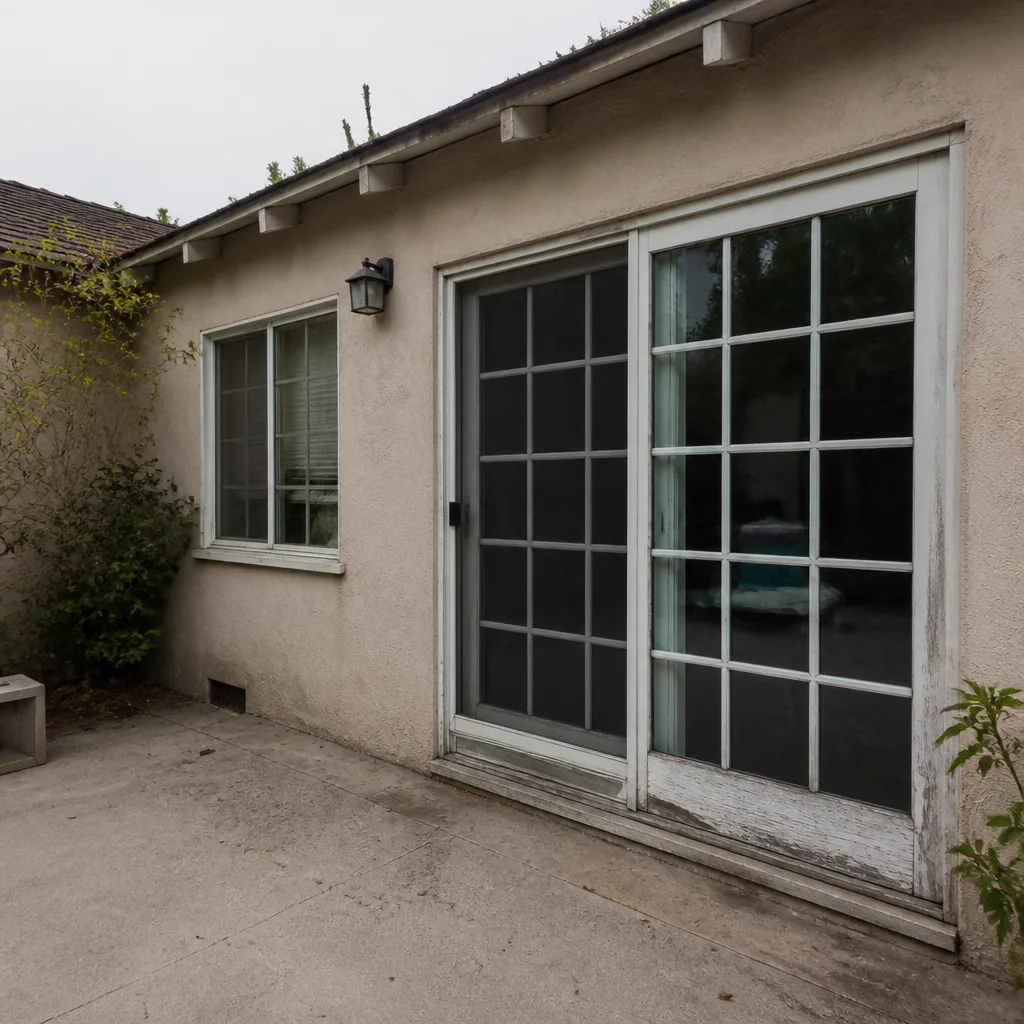 Before
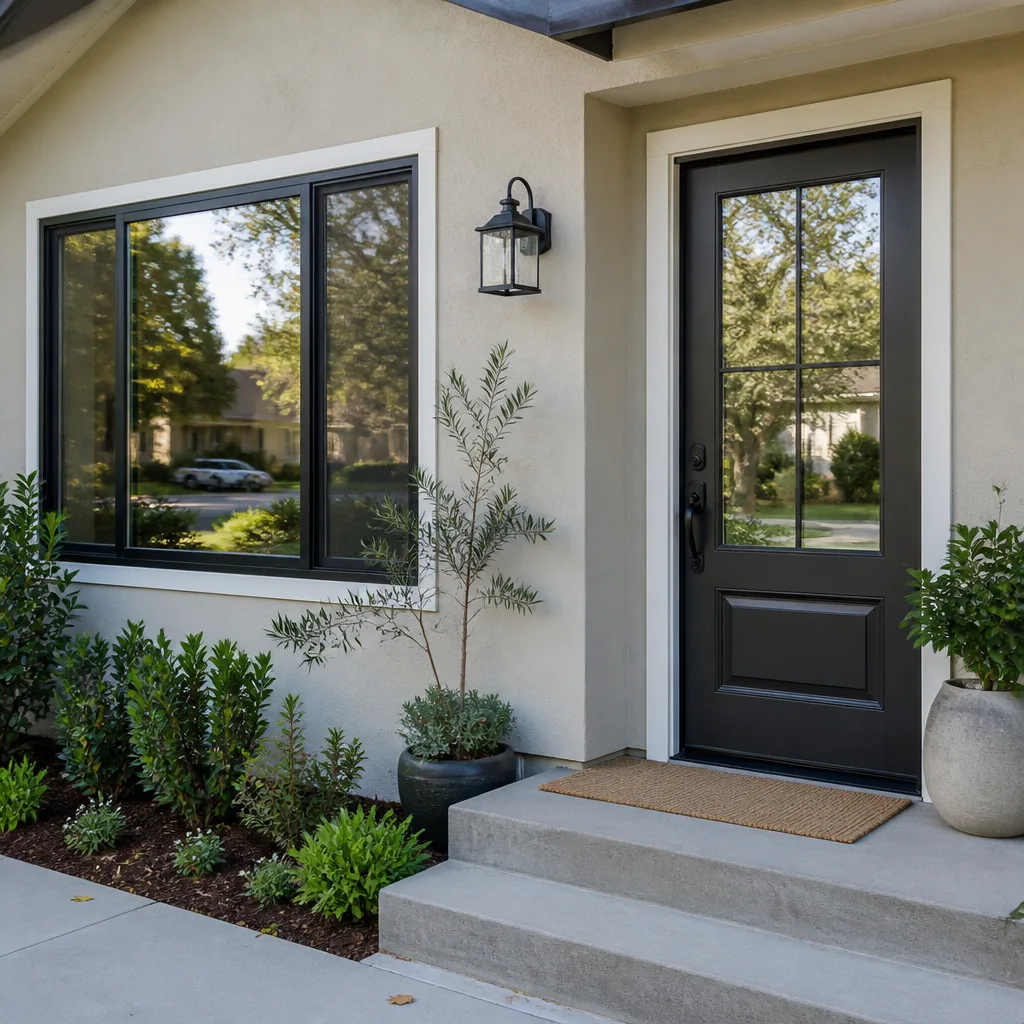 After
After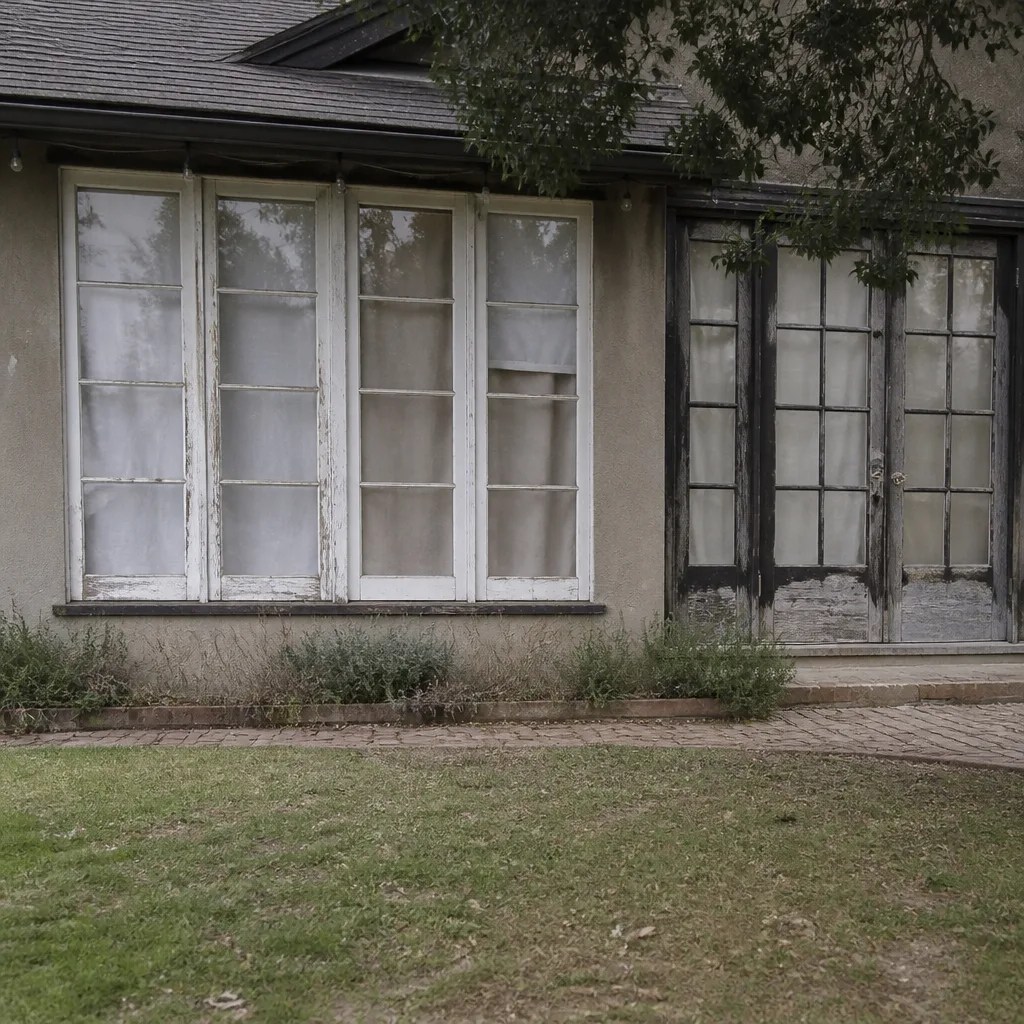 Before
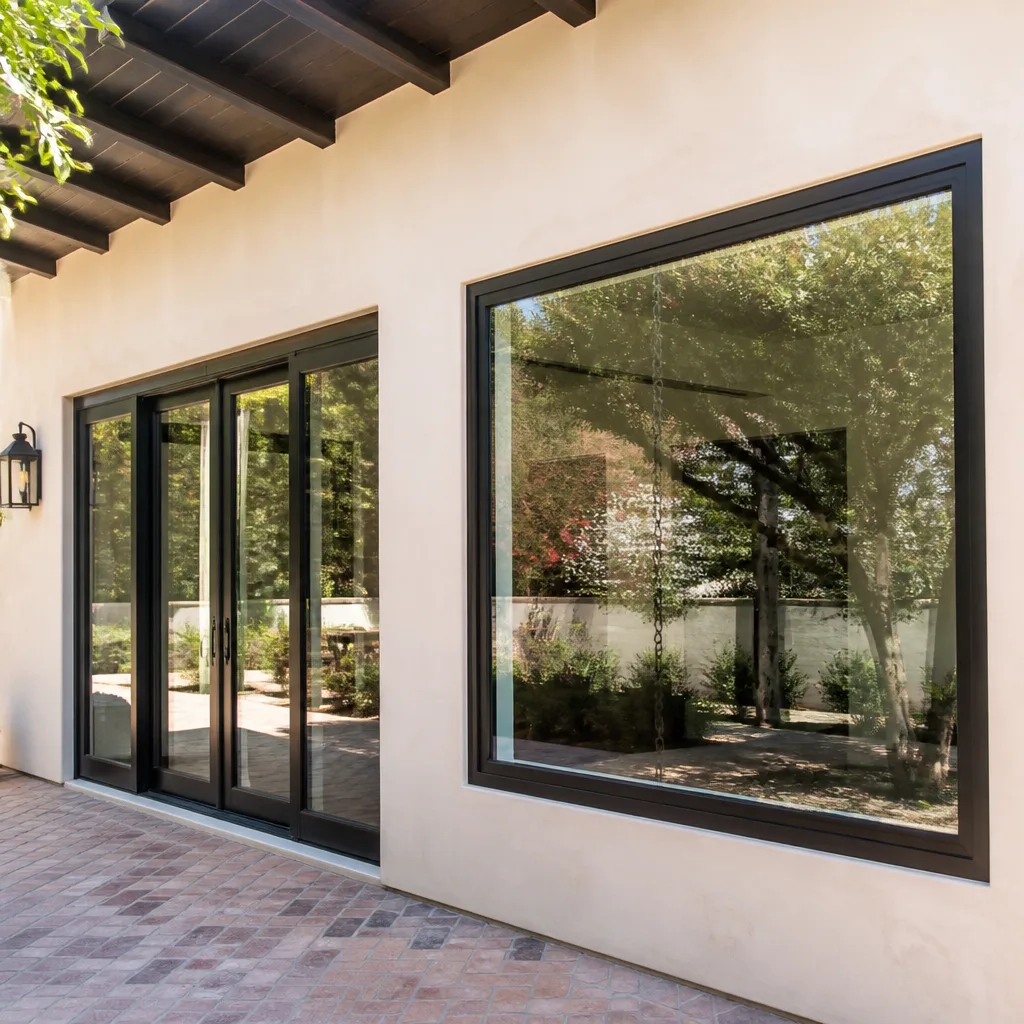 After
After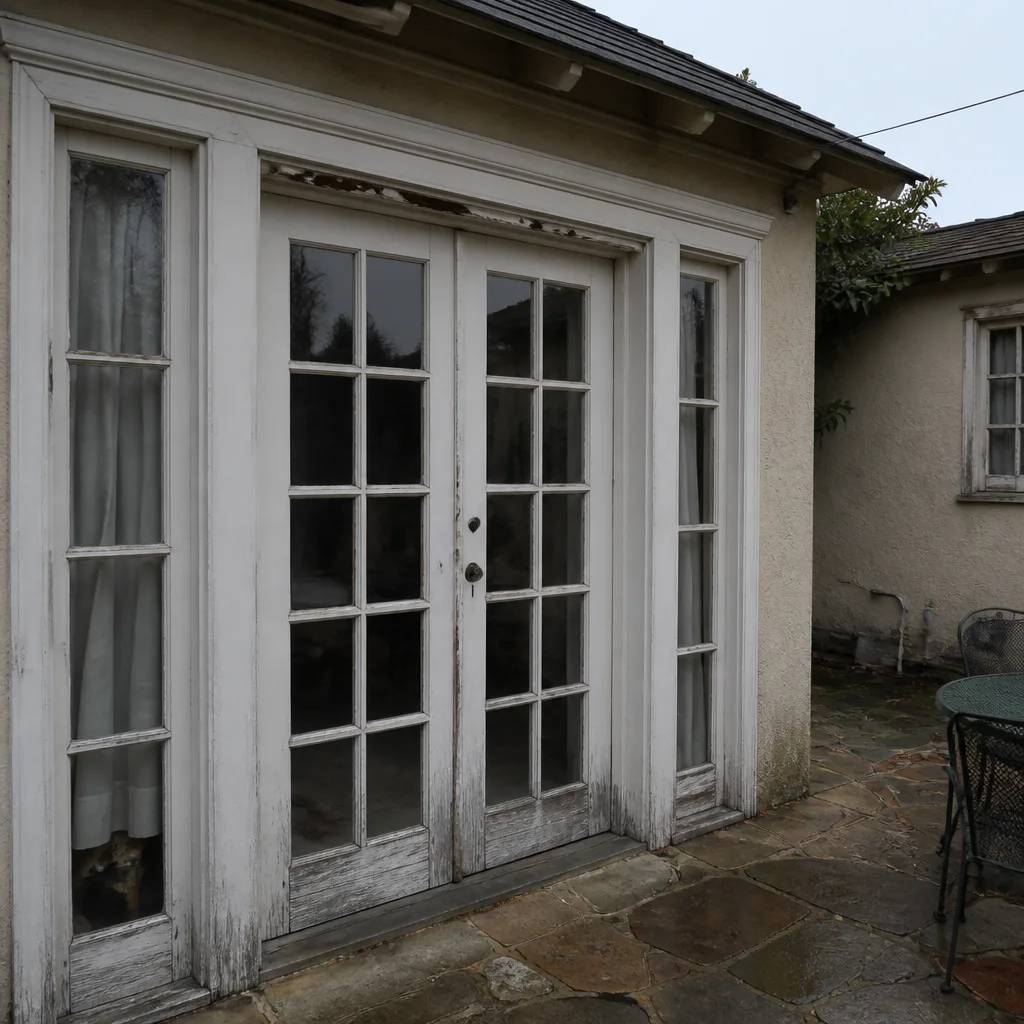 Before
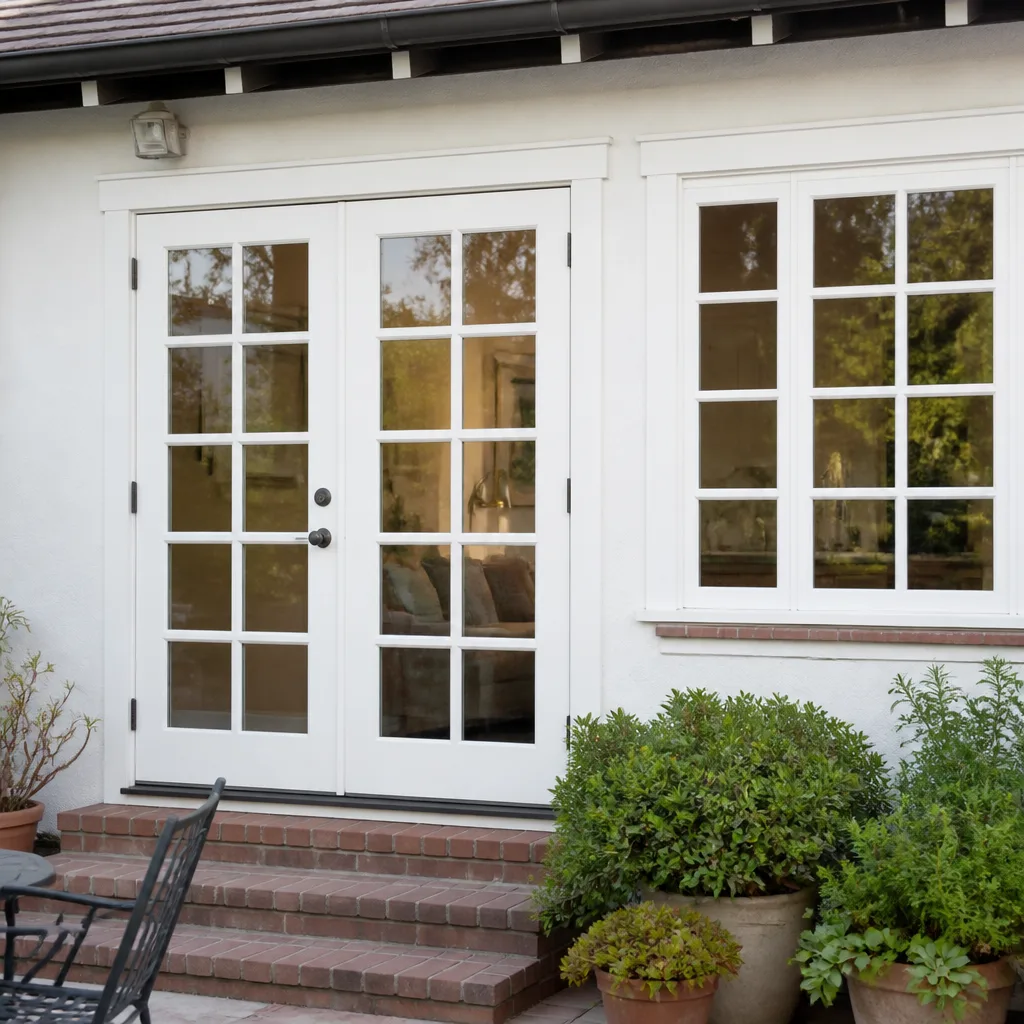 After
AfterSix Reasons Homeowners Choose Lightwell Windows Pasadena
Laminated glass and reinforced frames hold up to wind-driven rain, hail and flying debris, so your openings stay sealed when the weather turns.
Low-E insulated impact glass from our manufacturer lines commonly cuts monthly cooling bills 20-30%.
Laminated impact glass shuts out up to 40% of outside noise - traffic, neighbors, weather.
Monitoring services run $30-90 a month. Laminated impact glass resists forced entry around the clock, with no subscription.
Tighter seals and insulated glass even out hot and cold rooms and stop the drafts at the frame.
A full impact package upgrades curb appeal, buyer confidence and appraised value in one project.