
Last updated October 17, 2026
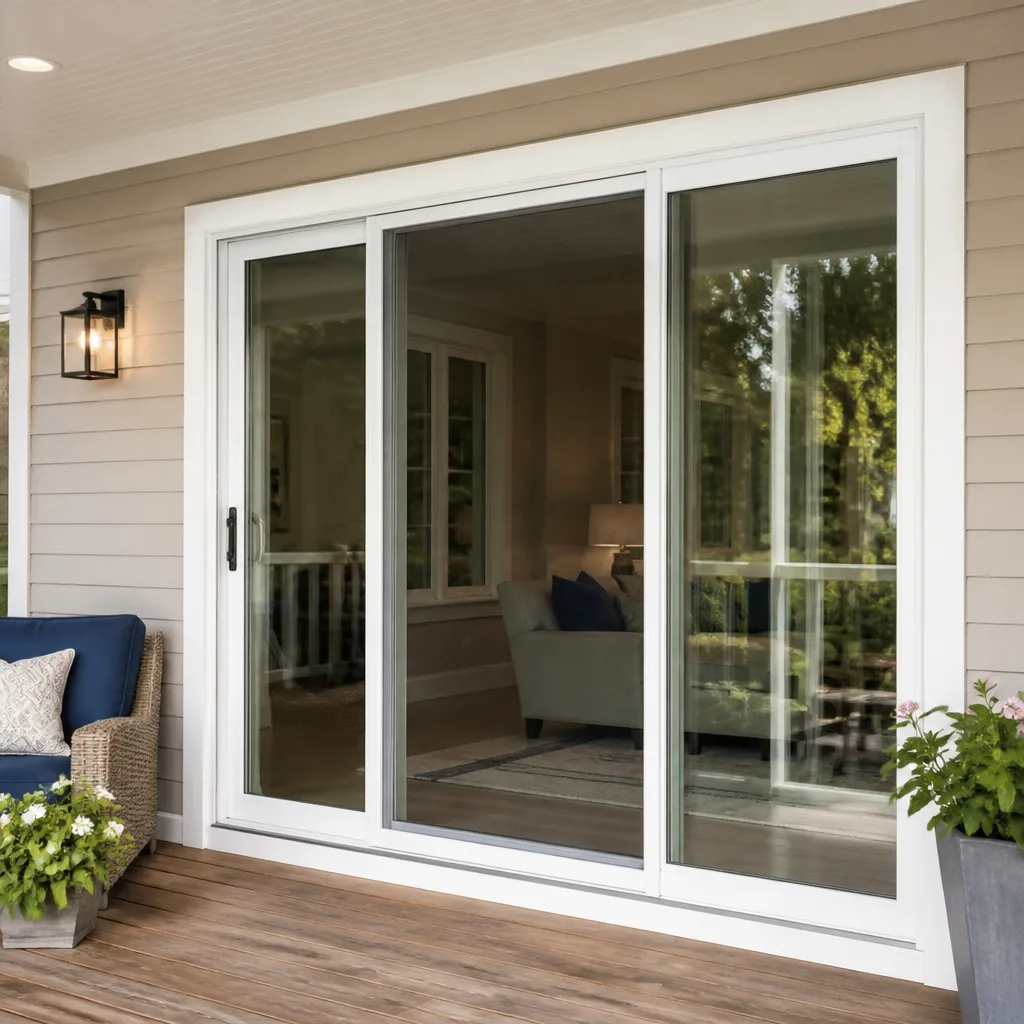 Sliding glass doors
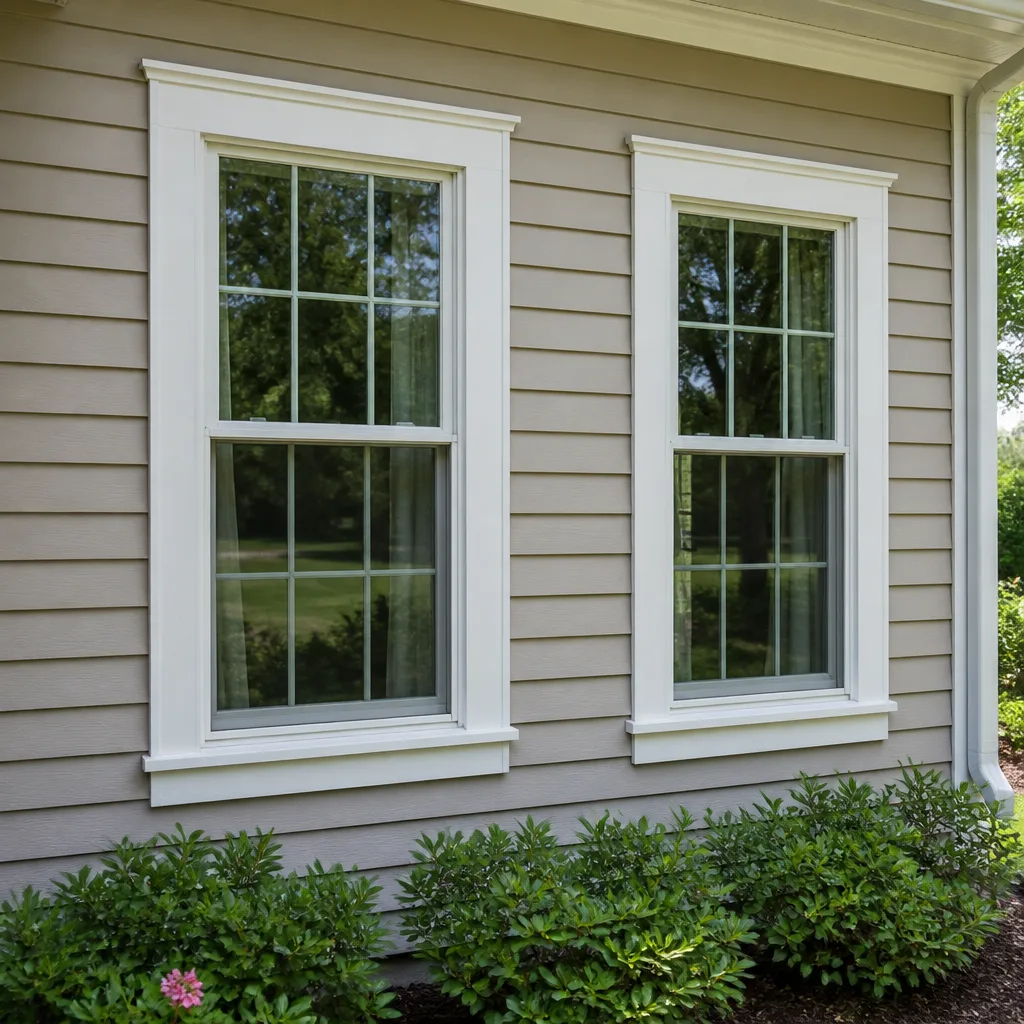 Double hung
 Horizontal roller
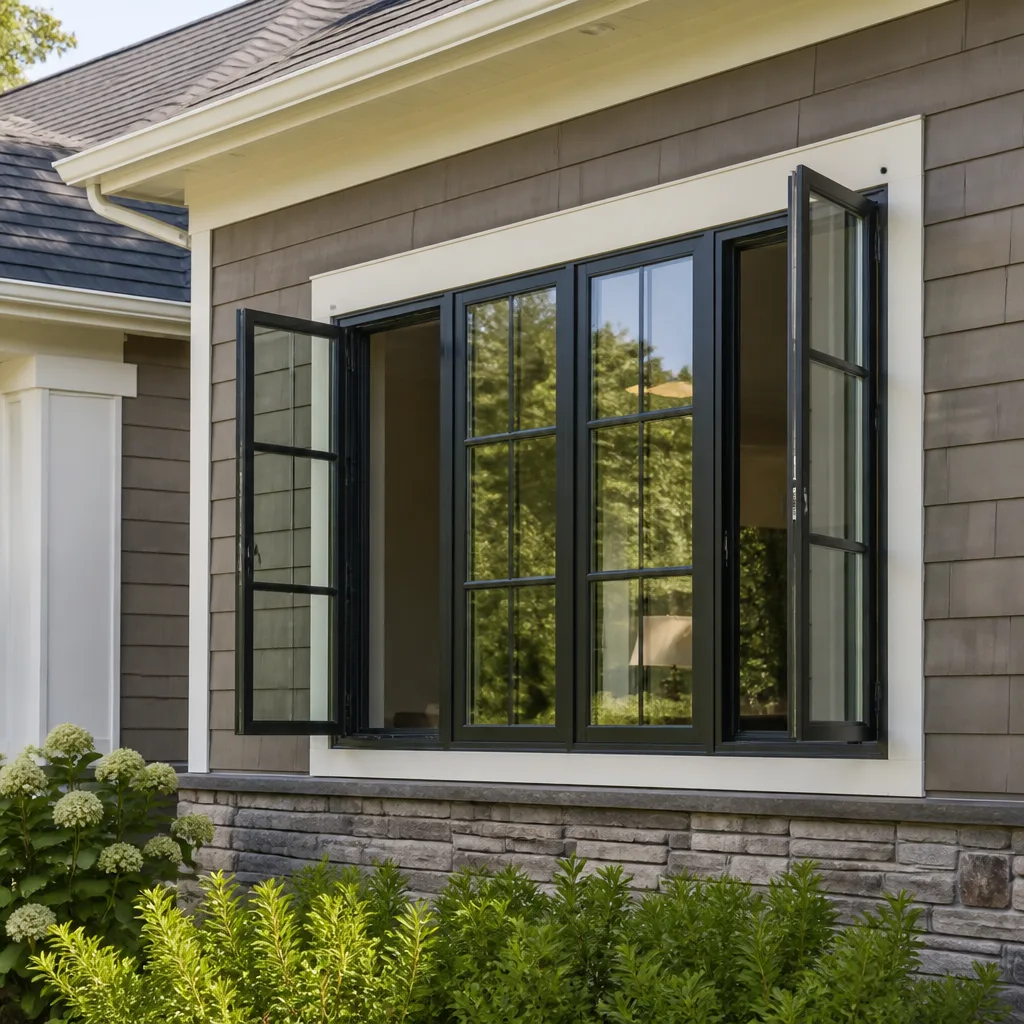 Casement
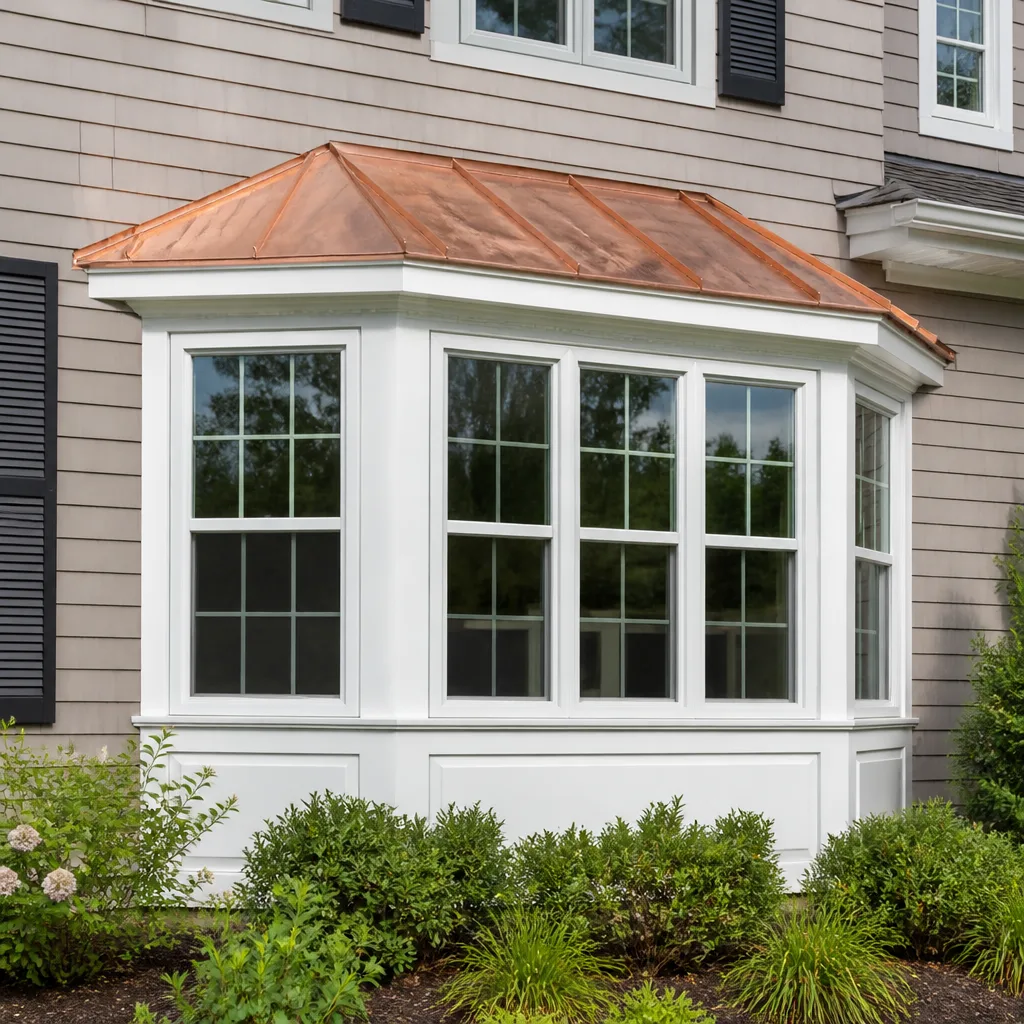 Bay & bow
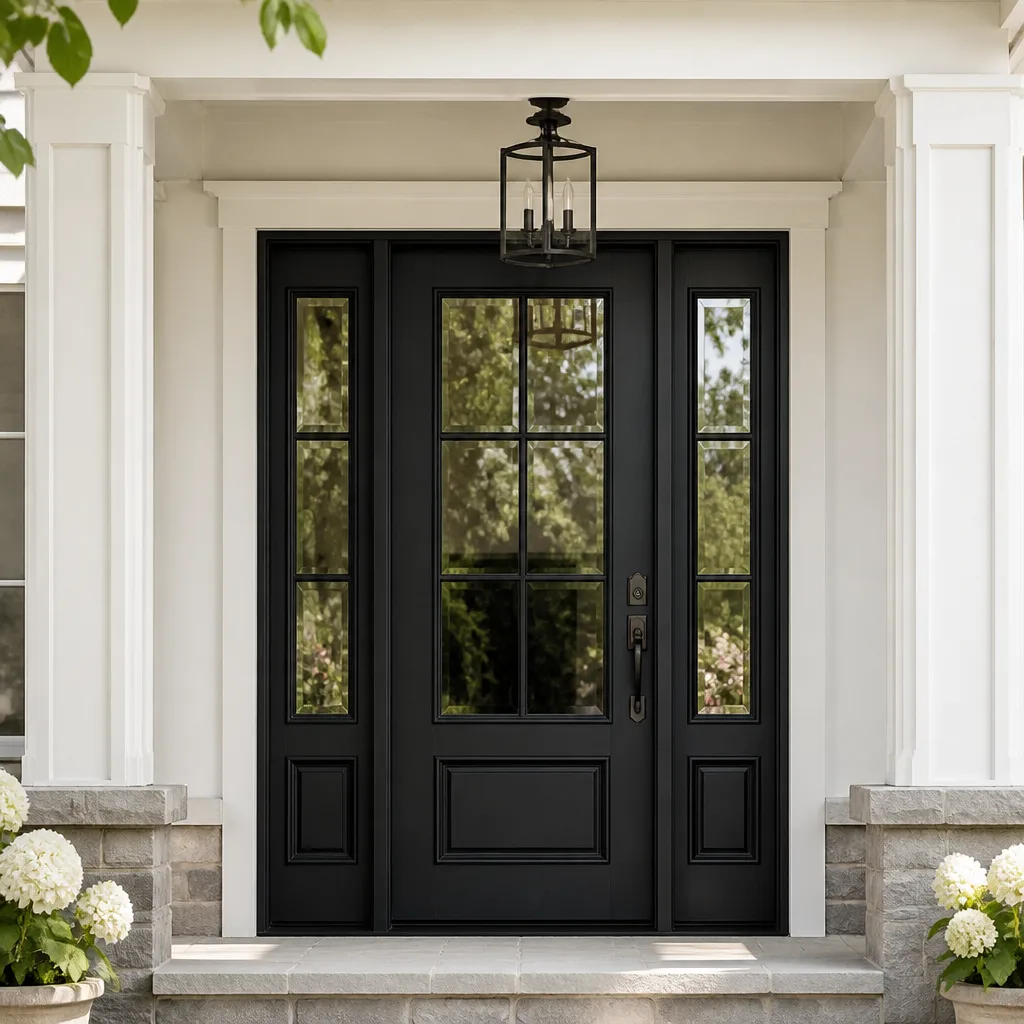 Entry doors
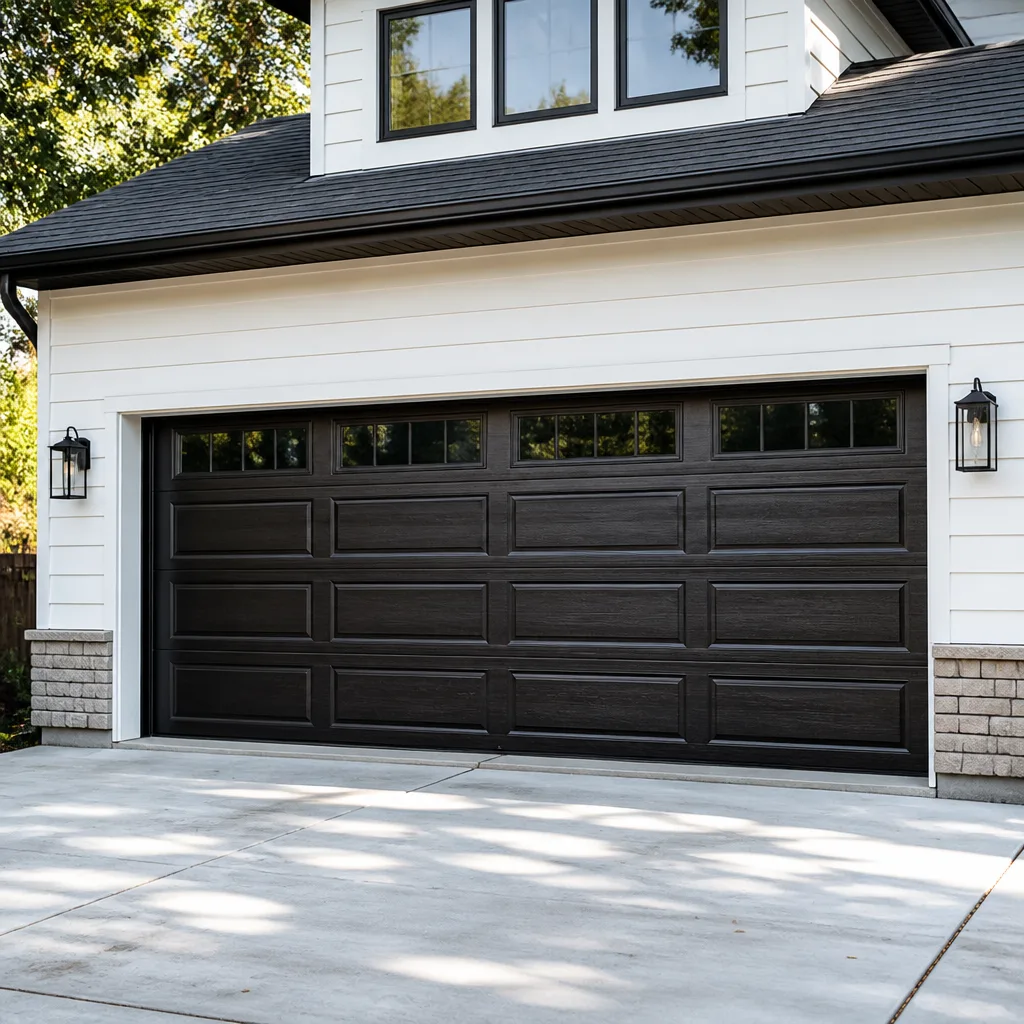 Impact garage doors
 PGT
PGT CGI
CGIFree in-home measure and quote - PGT, CGI and CWS impact lines compared on your actual openings, style by style
Get your free estimateSeasonal Windows & Doors Care for Pasadena: Year-Round Homeowner’s Guide
Pasadena recorded 14 days above 100°F in a recent summer and received nearly all of its annual rainfall in a six-week winter window. That thermal and moisture range is wider than most temperate climates, which is why windows installed here age faster than the same product installed in coastal LA, even though the cities are 20 miles apart. This guide walks through what actually happens to windows and doors in each Pasadena season, what you can check in 20 minutes with household tools, and what deserves a professional eye before a small problem becomes a warranty question. For more guides & resources, see our blog.
Styles & brands we work with
Quick Answer
Seasonal window and door care in Pasadena means four distinct checkpoints mapped to the local climate calendar: clear weeping holes and door sweeps before winter rain (November), inspect seals and weather stripping after summer UV exposure (September), address Santa Ana wind-driven debris on thresholds and tracks (October through December), and re-check glass seals and frame joints after the first heat spike of spring (May). A once-a-year routine will always be catching up to damage. A quarterly routine, even a light one, prevents most failures we see in Pasadena homes.
Table of Contents
- Why Pasadena’s Climate Ages Windows Faster Than Coastal LA
- The Four-Season Care Calendar for Pasadena
- Weeping Holes and Stucco: The Rain-Season Check Most Homes Miss
- Santa Ana Wind: Door Thresholds, Sweeps, and Ash Abrasion
- Frame Material Care: Wood, Aluminum, Vinyl, and Fiberglass in Pasadena’s UV
- What to Check Yourself vs. What Needs a Professional
- Common Mistakes to Avoid
- When to Call a Professional
- Frequently Asked Questions
- The Bottom Line
Why Pasadena’s Climate Ages Windows Faster Than Coastal LA
Pasadena sits inland against the San Gabriel Mountains, which means it gets the full force of summer heat without the marine layer that cools Santa Monica or Long Beach. Daytime highs routinely cross 95°F from July through September, and the UV index stays above 8 for months. That constant ultraviolet exposure breaks down rubber weather stripping, vinyl glazing beads, and exterior caulk joints at a rate we see much sooner in Pasadena than in coastal Zip codes. The same window that looks fine in a beach home after eight years may show visible seal failure or chalked caulk after five years here.
Then comes winter. Pasadena’s rain is not spread across six months the way it is in Portland or Seattle. It arrives in concentrated bursts, often 2 to 4 inches in a single storm, and then nothing for weeks. This pattern is harder on windows than steady drizzle. Dry periods let dust, pollen, and decomposed granite from the foothills settle into tracks, weep holes, and threshold grooves. When the next storm hits, that debris turns into a paste that clogs drainage paths and holds moisture against metal and wood.
In our experience replacing and servicing windows across Pasadena, the failures we see most often are not from a single dramatic event. They are from this cycle: heat dries and shrinks a seal, Santa Ana wind forces grit into the gap, and winter rain finds the opening. Each season hands the problem to the next one.
The Four-Season Care Calendar for Pasadena
Pasadena does not have four equal seasons. It has a long hot summer, a short intense wet season, and two shoulder periods where wind and heat spikes do most of the damage. Here is the calendar we recommend to homeowners, mapped to what the local climate actually does each quarter.
January through March: Wet-Season Drainage Inspection
This is the window to catch water problems before they become drywall problems. After each significant rain, walk the interior perimeter of your home and run your fingers along the bottom corners of every window. Feel for dampness, soft drywall, or bubbling paint. Check exterior weep holes (more on those below). Test door thresholds by running a hose at low pressure against the bottom of each exterior door for 30 seconds while someone watches from inside. If water seeps, the sweep or threshold needs attention before the next storm.
Also check that downspouts and patio drains are directing water away from door thresholds. In Pasadena’s hillside neighborhoods like Linda Vista and San Rafael, runoff from a sloped lot can pool against a door during heavy rain even when the door itself is sound.
April through June: Post-Rain Seal and Hardware Check
Once the rain stops, the damage it started becomes visible. Inspect every window’s weather stripping. Look for gaps, cracks, or areas where the strip has pulled away from the frame. Operate every window fully open and closed. Listen for grinding, look for tracks that catch, and note any window that feels heavier than it did last year. Spring is also the right time to lubricate tracks and hinges with a dry silicone spray. Avoid petroleum-based lubricants, which attract dust and gum up in Pasadena’s dry summer air.
July through September: Heat and UV Assessment
This is when glass seals fail. A failed dual-pane seal shows up as fog or condensation between the glass layers that will not wipe off. You may also notice a milky haze that comes and goes with temperature changes. Walk each room in early morning when the light is low and angle your view across the glass. Failed seals are most visible at this angle. Check exterior caulk joints around every window and door frame. Caulk that has chalked, cracked, or pulled away from stucco will let water in during the next wet season. Mark what you find and schedule repairs before October.
October through December: Santa Ana Prep and Wind-Driven Debris Management
Santa Ana winds typically begin in October and peak through November. These winds carry fine dust, ash from foothill brush, and grit from the San Gabriel canyons. That abrasive material gets forced into door sweeps, window tracks, and the gap between threshold and door bottom. After any sustained wind event, inspect exterior door bottoms and window tracks. Vacuum tracks with a brush attachment. Wipe door sweeps with a damp cloth and check for embedded grit or tears. A door sweep loaded with grit will grind the threshold every time the door opens, which shortens the life of both parts. More on this below.
Weeping Holes and Stucco: The Rain-Season Check Most Homes Miss
Most Pasadena homes are stucco-clad, and most window failures during winter rain trace back to the same overlooked detail: weeping holes. Weeping holes are the small drainage slots at the bottom of a window frame’s exterior side. They exist to let water that finds its way past the window gasket drain outward instead of pooling inside the track or seeping into the wall cavity. When they clog, water has nowhere to go but inward.
In Pasadena, weeping holes clog with decomposed granite from foothill wind, dust from dry summer months, spider nests, and paint overspray from stucco work. The clog does not have to be complete to cause trouble. A partially blocked weep hole slows drainage enough that water sits in the track during a heavy storm, and standing water in a track will eventually find a seam or screw hole.
Here is the 20-minute check we recommend before the first significant rain of the season, typically in late October or early November:
- Locate every weeping hole. Walk the exterior of your home. Look at the bottom edge of each window frame. Weeping holes are usually small slits or rectangular openings, one to three per window depending on width.
- Clear visible debris. Use a wooden toothpick, a pipe cleaner, or a soft brush. Do not use a metal screwdriver or wire, which can gouge the frame or puncture the flashing behind it.
- Test drainage. Pour a few ounces of water into the window track from inside with the window open. Watch the exterior weeping holes. Water should drain out within seconds. If it pools, the weep path is blocked further back and needs a professional cleaning.
- Check the stucco surrounding the frame. Look for hairline cracks in the stucco where it meets the window frame. These cracks are common in Pasadena because summer heat expands the frame, and winter cool contracts it. A flexible exterior caulk rated for stucco will seal these gaps.
- Inspect the sloped sill. Many stucco-clad Pasadena homes have a small sloped surface at the bottom of each window opening. This slope directs water away from the window. If the slope is flat or cracked, water sheets down the stucco and into the weep zone.
If you find weeping holes that seem to be painted over completely, do not drill new ones. That is a job for a professional who can identify the correct drainage path without compromising the frame. The cost of having a technician clear and reseal weep paths is small compared to the cost of repairing water-damaged stucco and framing behind a window. For context, most window installation work in Pasadena includes a full inspection of weep paths as part of the job, precisely because stucco and drainage go wrong together so often here.
Santa Ana Wind: Door Thresholds, Sweeps, and Ash Abrasion
Santa Ana events are the most under-discussed seasonal threat to doors in Pasadena. The wind itself does not usually damage a door. What damages the door is what the wind carries: fine grit, ash from hillside fires, and dust from the Angeles National Forest. This material is abrasive, and it concentrates at the bottom edge of exterior doors, where the sweep meets the threshold.
A door sweep is a strip of rubber, vinyl, or brush attached to the bottom of the door. Its job is to seal the gap between door bottom and threshold against air, water, and insects. During a Santa Ana event, wind forces grit into that gap. Every time the door opens or closes, that grit acts like sandpaper. Within a single season of repeated Santa Ana events, a door sweep can wear down enough to leave a visible gap at one corner. Once the gap is there, hot air enters during summer and water enters during winter.
Here is the simple maintenance cycle that works for Pasadena homeowners:
- After any wind event over 20 mph, check the sweep. Kneel at each exterior door and look along the full length of the bottom. A healthy sweep makes contact with the threshold along its entire length, with no daylight visible underneath.
- Wipe the sweep with a damp cloth. This removes surface grit before it embeds. Do this after each Santa Ana event. It takes 30 seconds per door.
- Vacuum the threshold groove. Most Pasadena thresholds have a central channel or adjustment track. Grit collects there. Use a brush attachment monthly during Santa Ana season.
- Check for embedded grit. Run your thumbnail along the sweep’s contact edge. If it feels rough or sandy, the sweep has grit embedded and is grinding the threshold with every use. Replace a rough sweep. A replacement sweep costs far less than a replacement threshold.
- Apply a dry silicone spray to the sweep edge after cleaning. This keeps the rubber flexible and helps it shed grit rather than holding it. Avoid anything oil-based.
We also recommend checking exterior door hinges during Santa Ana season. Wind gusts that slam a door put stress on the top hinge first. If a door starts to sag, you will see the gap at the top grow wider on the latch side. A sagging door wears its sweep unevenly and can eventually crack the frame joint. Catching hinge wear early is a five-minute fix; ignoring it becomes a door installation project in Pasadena that nobody planned for.
Frame Material Care: Wood, Aluminum, Vinyl, and Fiberglass in Pasadena’s UV
Pasadena’s housing stock spans 1920s Spanish Revival bungalows in Bungalow Heaven, mid-century ranch homes in Hastings Ranch, and newer construction in the hills. Each era brought different window frame materials, and each material degrades differently under local conditions. Here is what to watch for with each.
Wood Frames
Wood windows are common in Pasadena’s older homes, and they fail from the bottom up. Water sits at the lower corners where the sash meets the frame, and Pasadena’s dry heat then bakes that moisture out, cycling the wood through repeated swell and shrink. Check lower corners for soft spots using a flathead screwdriver pressed gently into the wood. If the screwdriver sinks, dry rot is present. Repaint exterior wood every three to five years with a UV-rated exterior paint. Touch up any crack or chip within a month of it appearing. Bare wood in Pasadena’s UV degrades fast, and water finds bare wood quickly.
Aluminum Frames
Aluminum windows are common in homes built from the 1960s through the 1980s. The frames themselves hold up well in Pasadena’s climate, but the thermal breaks and corner keys weaken over time. Aluminum expands significantly in heat, and repeated expansion cycles loosen corner joints. Operate each aluminum window and feel for wobble in the corners. Inspect the corner keys where the frame sections join. Loose corners let air and water in even when the window is closed. These can often be re-keyed and resealed without full replacement, but once the frame is twisted out of square, replacement is the honest fix.
Vinyl Frames
Vinyl is popular in newer Pasadena construction and window replacement work because it handles moisture well and requires little maintenance. Its weakness is direct UV. Over years, vinyl weather stripping and exterior vinyl surfaces can chalk, fade, and shrink. Check vinyl frames for gaps at the mitred corners. Check that the window locks fully engage. Warped vinyl sashes can look fine but not seal tightly. If you see visible discoloration or chalky residue on your fingers after touching a frame, the UV has begun degrading the surface. This does not usually require replacement, but it does mean the weather stripping inside that frame is likely near the end of its life.
Fiberglass Frames
Fiberglass handles Pasadena’s heat and UV better than any other material, which is why several of the brands we carry, including ES Windows and ECO Window Systems, build lines specifically for high-UV climates. Fiberglass expands and contracts at nearly the same rate as glass, so the seal between frame and glass unit stays stable through temperature swings. The maintenance risk with fiberglass is painted finishes. If the painted finish chips or scratches, the underlying fiberglass is exposed, and the finish can peel from the edges outward. Touch up chips promptly with a color-matched exterior enamel.
The right frame material for a Pasadena home depends on the home’s exposure. A west-facing wall in the San Rafael hills gets harsher afternoon UV than a north-facing wall in a tree-shaded lot in Madison Heights. When we walk a property for a window replacement quote in Pasadena, we look at each elevation separately. A material that is right for the front of the house may be wrong for the back.
What to Check Yourself vs. What Needs a Professional
Most of what this guide describes is within reach of a careful homeowner with basic household tools. But some tasks sit beyond the DIY line, and knowing where that line is can save you from turning a $200 repair into a $2,000 one. Here is the split, based on what we see going well and going wrong in Pasadena homes.
Safe to Do Yourself (20 Minutes or Less, Household Tools)
- Clearing weeping holes with a wooden toothpick or pipe cleaner
- Wiping door sweeps after Santa Ana wind events
- Vacuuming window tracks and threshold grooves with a brush attachment
- Testing drainage by pouring water into tracks and watching weep holes
- Inspecting caulk joints visually for cracks or gaps
- Lubricating tracks and hinges with dry silicone spray
- Checking for fogged glass at low light angles
- Feeling lower window corners for soft wood or damp drywall
Leave to a Professional
- Replacing a failed dual-pane glass unit. The glass is heavy, the seal is precise, and a botched replacement voids most warranty coverage. Many manufacturers require certified installation to honor the warranty.
- Re-keying or re-caulking aluminum window corners. The corner keys are under tension, and improper disassembly can warp the frame permanently.
- Replacing a door sweep that is screwed into a wood door. If the screws are stripped or the wood is soft underneath, drilling new holes into compromised wood makes the problem worse.
- Repairing any stucco crack that extends behind a window frame. This usually means water is already getting into the wall cavity, and a surface patch will not stop it.
- Any window that no longer opens or closes smoothly. A stuck window in Pasadena is often not just a lubrication issue. It can be a bent track, a broken balance, or frame warping from heat. Forcing it breaks hardware.
- Replacing any window in a home built before 1978. Older Pasadena homes may have lead paint on original wood frames, and disturbing it requires proper containment.
The dividing line, in short: cleaning, inspecting, and lubricating are homeowner work. Disassembling, replacing glass, or cutting into stucco is professional work. When homeowners call us about a window problem, the conversation often starts with them having attempted a fix that made the underlying issue harder to correct. We would rather help you assess it before the attempt.
Common Mistakes to Avoid
- Using a pressure washer on window exteriors. The water jet forces dirt into weep holes and can break the seal between frame and stucco. In Pasadena, where stucco is the dominant exterior finish, a pressure washer aimed at a window frame often does more damage in five seconds than a year of weather does.
- Caulking over weeping holes. Homeowners sometimes caulk weep holes closed thinking they are a defect. They are not. Sealing them guarantees that any water in the track stays in the track, and in a Pasadena winter rain, that water will find the wall cavity.
- Painting over window weather stripping. This happens most often when a homeowner paints an exterior door or window trim without masking. Paint on weather stripping makes it stiff and prevents it from sealing. Once painted, the stripping usually has to be replaced.
- Ignoring a fogged window because it “still works.” A fogged dual-pane window has lost its insulating gas, which means it is no longer doing the job it was installed to do. In Pasadena’s summer heat, that means more solar gain into the home and higher cooling bills. The problem does not fix itself.
- Skipping the November weep-hole check. The single most common cause of winter water damage we see in Pasadena homes is a weep hole that was clogged before the first storm and stayed clogged through the wet season. Five minutes in November prevents most of it.
- Using petroleum-based lubricants on window tracks. WD-40 and similar products work for a month and then attract dust. In Pasadena’s dry months, dust is everywhere. The track ends up gummed worse than before.
- Putting off a door sweep replacement because “it’s just a little gap.” A quarter-inch gap at a door bottom moves a surprising amount of air. In summer, it lets conditioned air out. In winter, it lets rain in. The replacement part is inexpensive and takes minutes to install.
When to Call a Professional
Call a professional when you see fog between glass panes, water staining around interior window trim, a door that no longer latches without lifting, or a window frame that has pulled away from the stucco. Before starting any project, review Windows & Doors Permits, Codes & Inspections in CA: What You Need to Know. These are signs of failed seals, drainage problems, or structural movement, and they will not resolve on their own. Also call if you are planning to sell a Pasadena home and want an honest assessment of which windows and doors will come up in an inspection report. A pre-listing look costs less than a negotiation credit. Lightwell Windows Pasadena offers free estimates in Pasadena, call (626) 628-2308 to schedule one. We carry products from CWS, ES Windows, ECO Window Systems, and Mr-Glass, among others, so the recommendation we give is based on what your home actually needs, not what one manufacturer happens to make.
Frequently Asked Questions
Four times per year, mapped to the local climate calendar: January for wet-season drainage, April for post-rain seal inspection, August for UV and heat damage, and November for weep-hole clearing before winter rain. A quarterly check that takes 20 minutes per session will catch most problems before they become expensive.
Clogged weeping holes leading to water intrusion during winter rain, followed closely by failed dual-pane seals from summer heat. Both are preventable with the seasonal checks described in this guide.
Yes. Stucco-clad Pasadena homes need extra attention to the caulk joint where frame meets stucco, because that joint flexes with temperature swings and cracks over time. The weeping-hole check is also more critical on stucco homes, since water that gets behind the frame has a direct path into the wall cavity. Call (626) 628-2308 for an exact assessment of your stucco joints, estimates are free.
Most window replacement work in Pasadena runs between $600 and $1,800 per opening depending on frame material, glass package, and access conditions. For a full breakdown of pricing factors, see our Windows & Doors Cost Breakdown: The Pasadena Homeowner’s Reference for 2026. A home with 10 windows might see a full-project range of $8,000 to $16,000. The spread is wide because Pasadena’s housing stock varies from single-story bungalows to hillside homes with difficult exterior access. Call (626) 628-2308 for a written quote; we put every price in writing before any work starts.
No. A fogged dual-pane window has a failed seal and lost its insulating gas. The glass unit must be replaced, which requires removing the sash or frame section and installing a new sealed unit. Attempting to separate and reseal the glass at home voids manufacturer warranties and rarely works. A professional replacement is the honest fix.
Expect 15 to 25 years from quality vinyl or fiberglass windows, 20 to 30 years from aluminum with regular corner maintenance, and 25 to 40 years from well-maintained wood. Pasadena’s UV and heat cycle pushes all of these toward the lower end of the range compared to coastal cities. Windows that would last 25 years in Santa Monica may need replacement at 15 to 18 years in Pasadena.
Not with Lightwell Windows Pasadena. Our standing operating rule is a written price before any work begins, and we do not hand you a different number at the end. If we open a wall and find something unexpected, we stop, explain the price, and get your approval before continuing. That is the Cedarwell Care Promise since 2010. Call (626) 628-2308 to schedule a free estimate.
The Bottom Line
Pasadena has no true off-season for window stress. Summer heat breaks down seals and caulk. Santa Ana winds grind grit into sweeps and tracks. Winter rain finds every gap the other seasons created. The way to stay ahead of the cycle is a quarterly routine, not an annual one: clear weep holes before the first rain, inspect seals after the last heat spike, clean sweeps after every wind event, and check drainage after every storm. Most of this takes 20 minutes and household tools. The parts that do not are worth a professional eye before they become a warranty question or a drywall repair. Windows and doors are the only barrier between your family and a climate that does not take a season off. Treat them accordingly.
Written by Keith Yamada, Owner at Lightwell Windows Pasadena, serving Pasadena since 2010.
See the difference
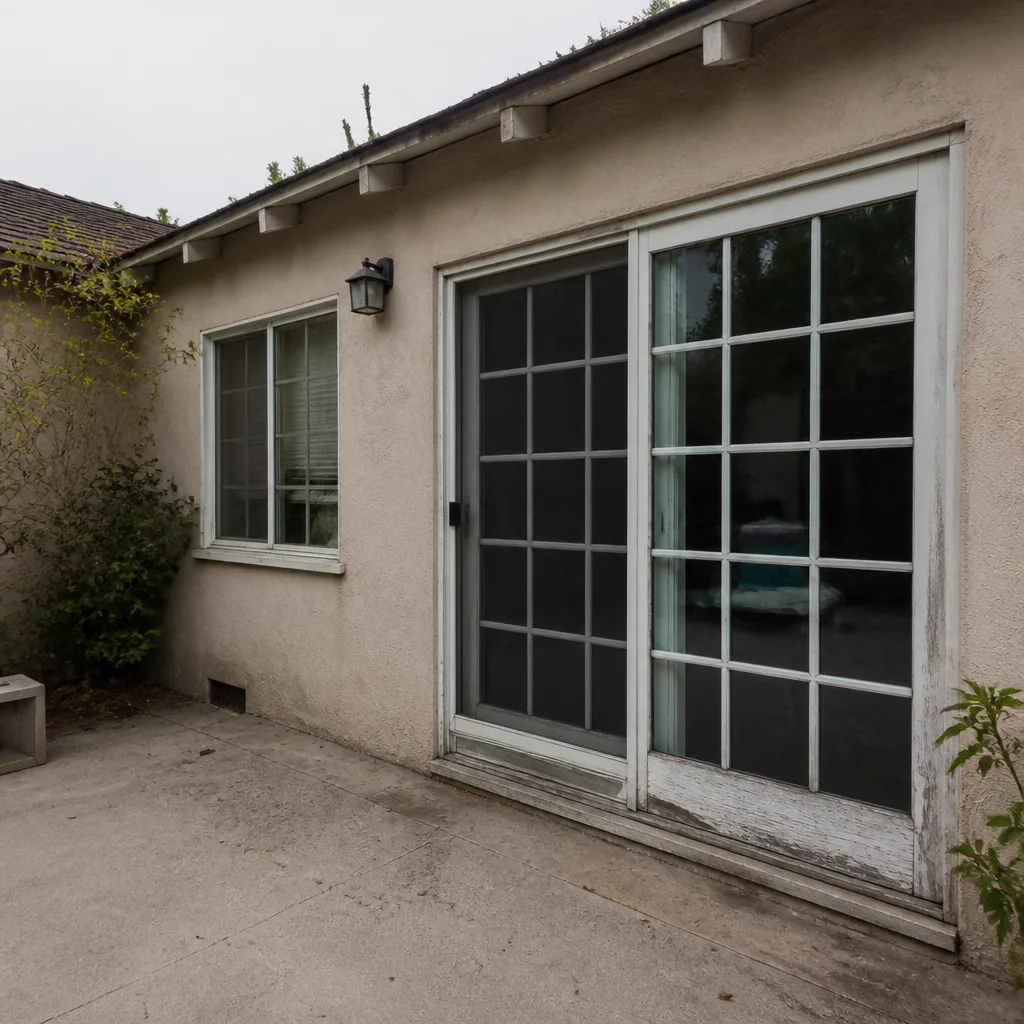 Before
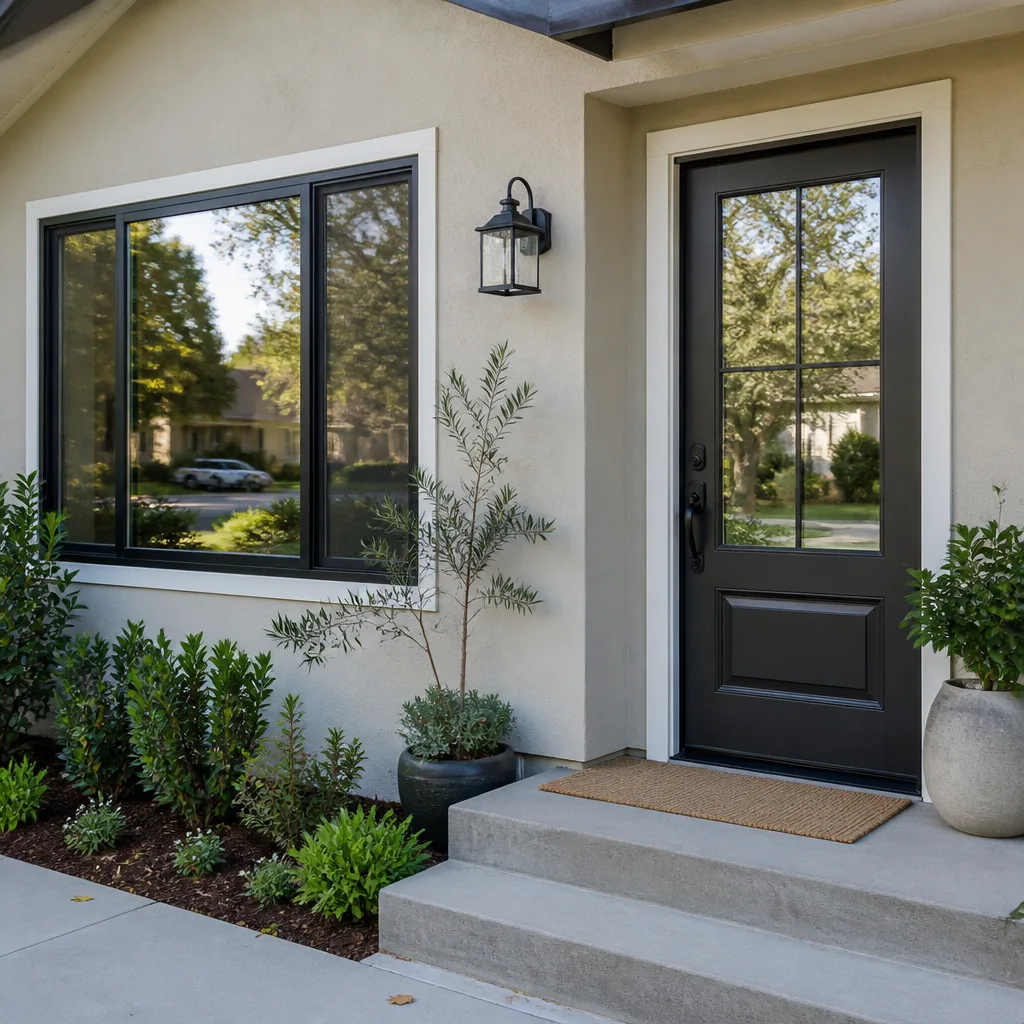 After
After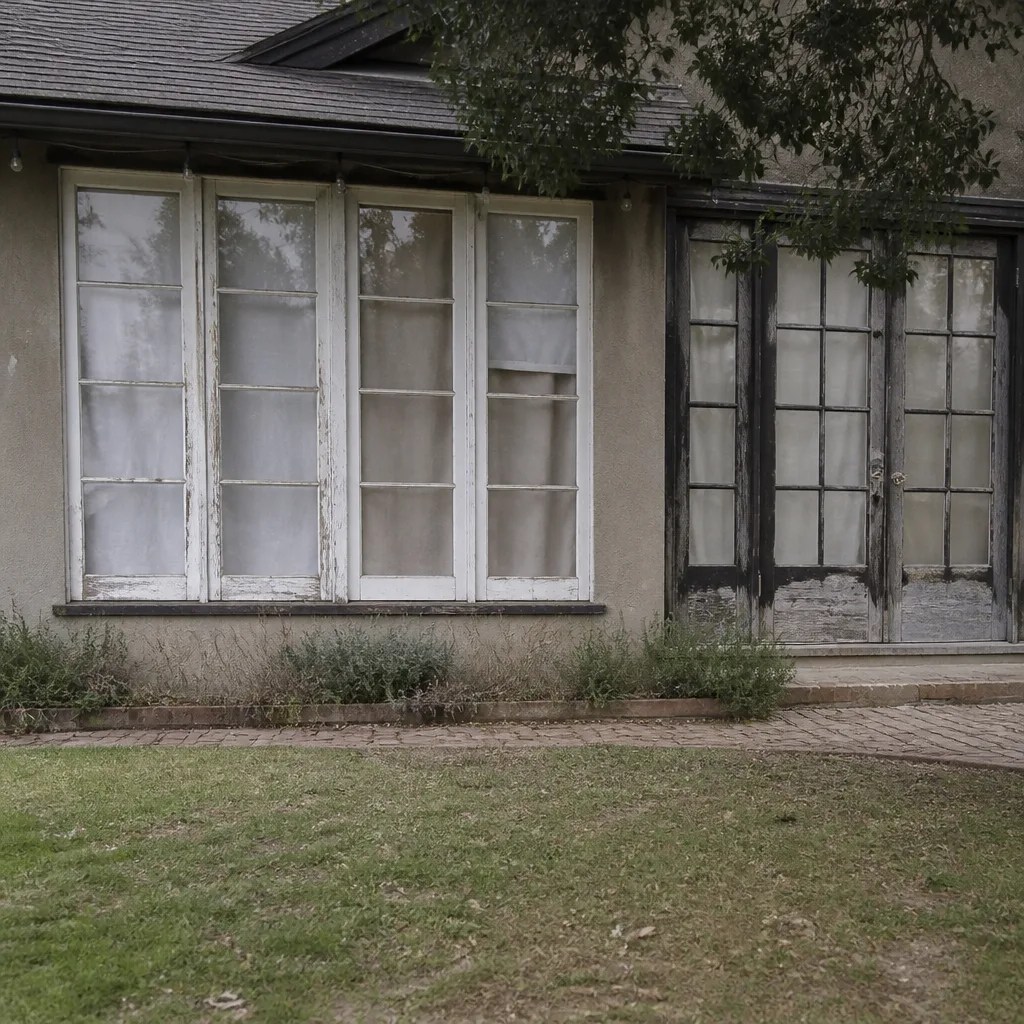 Before
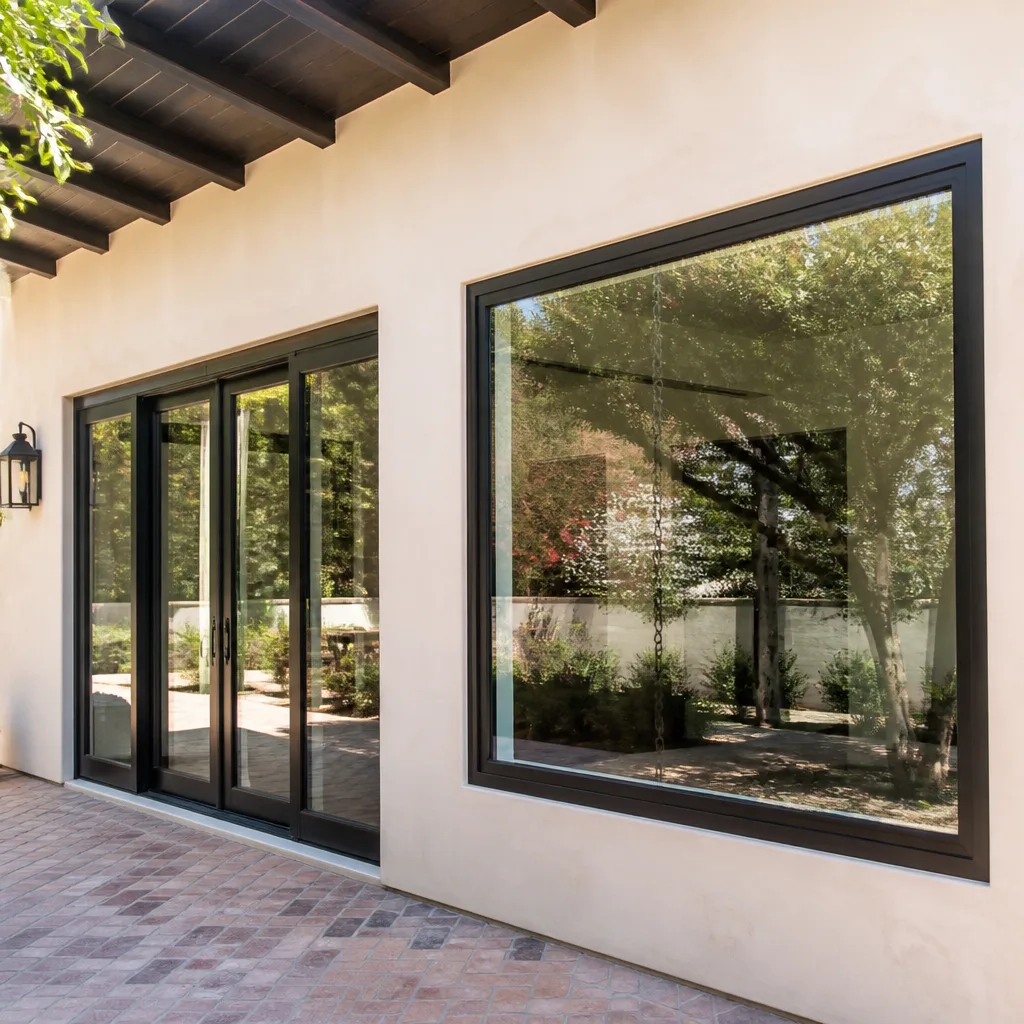 After
After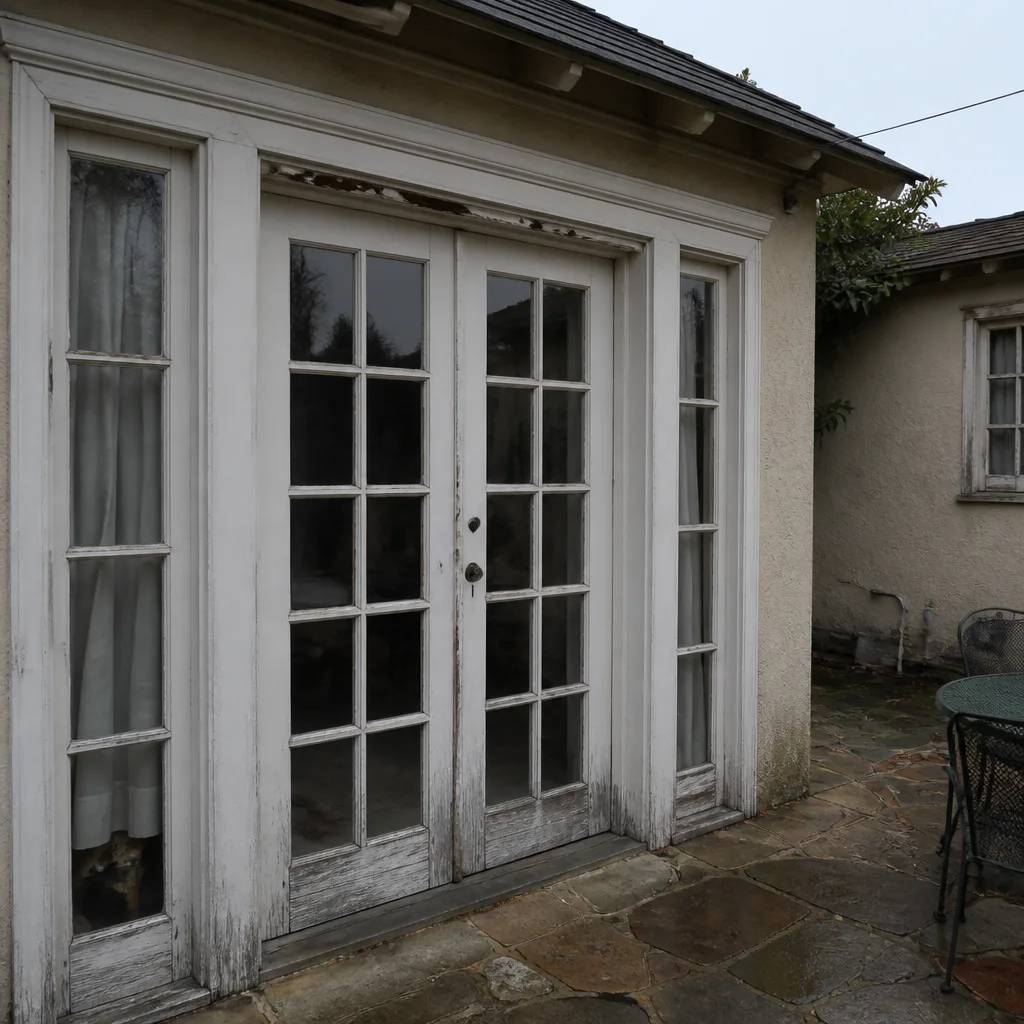 Before
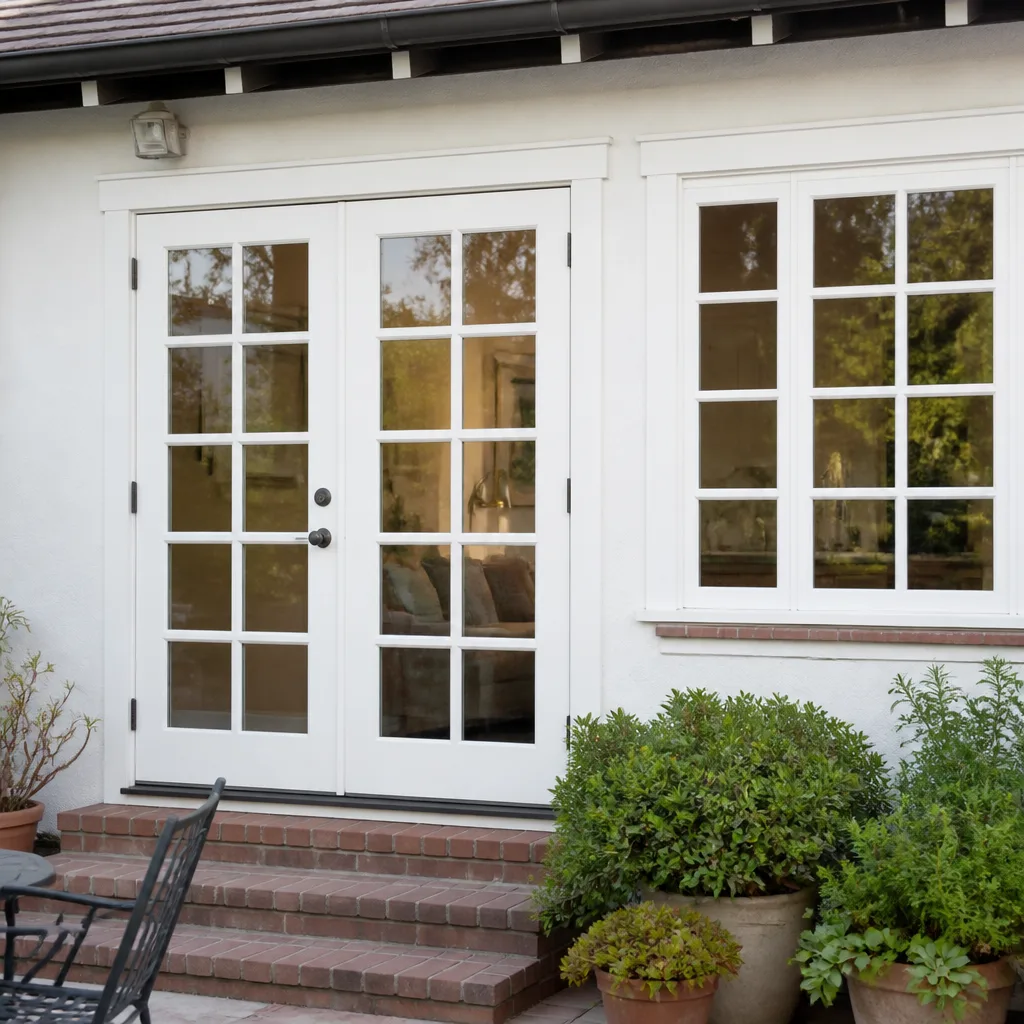 After
AfterSix Reasons Homeowners Choose Lightwell Windows Pasadena
Laminated glass and reinforced frames hold up to wind-driven rain, hail and flying debris, so your openings stay sealed when the weather turns.
Low-E insulated impact glass from our manufacturer lines commonly cuts monthly cooling bills 20-30%.
Laminated impact glass shuts out up to 40% of outside noise - traffic, neighbors, weather.
Monitoring services run $30-90 a month. Laminated impact glass resists forced entry around the clock, with no subscription.
Tighter seals and insulated glass even out hot and cold rooms and stop the drafts at the frame.
A full impact package upgrades curb appeal, buyer confidence and appraised value in one project.