
Last updated October 17, 2026
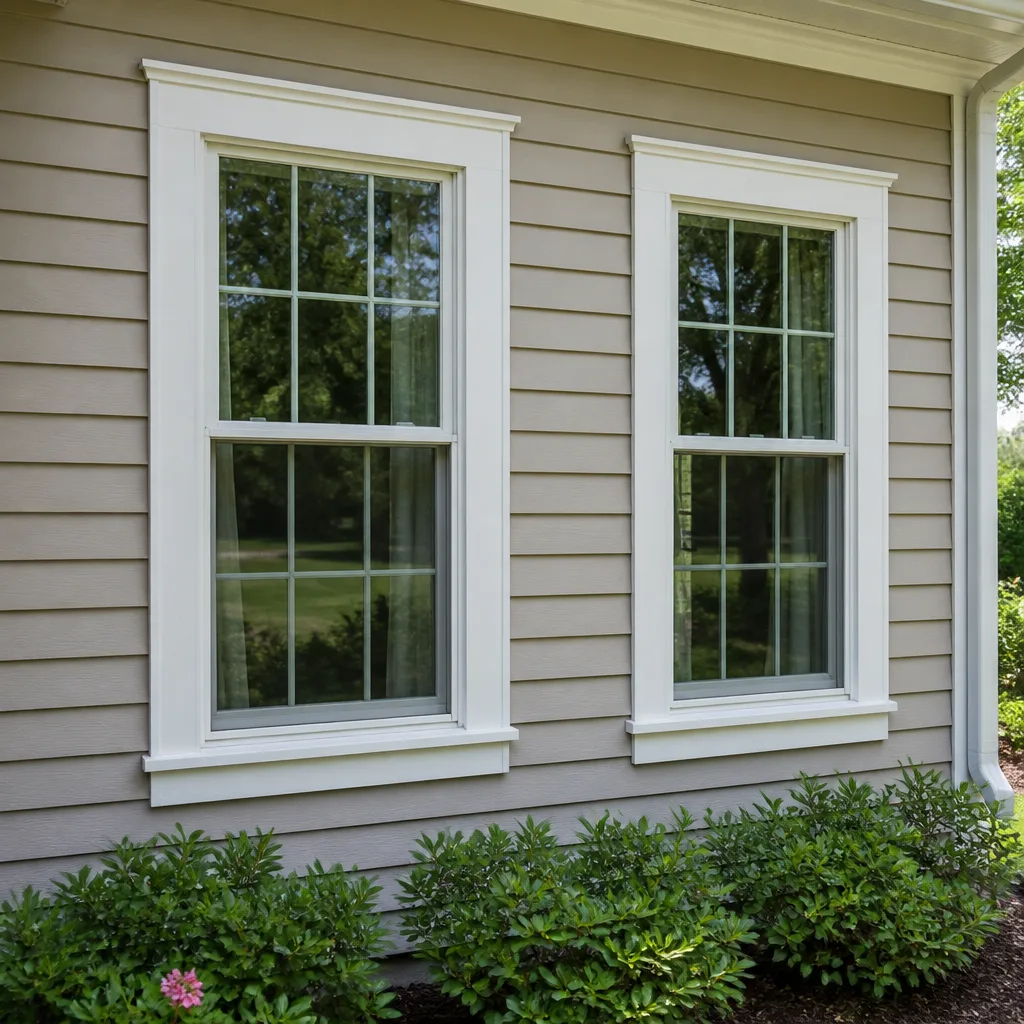 Double hung
 Horizontal roller
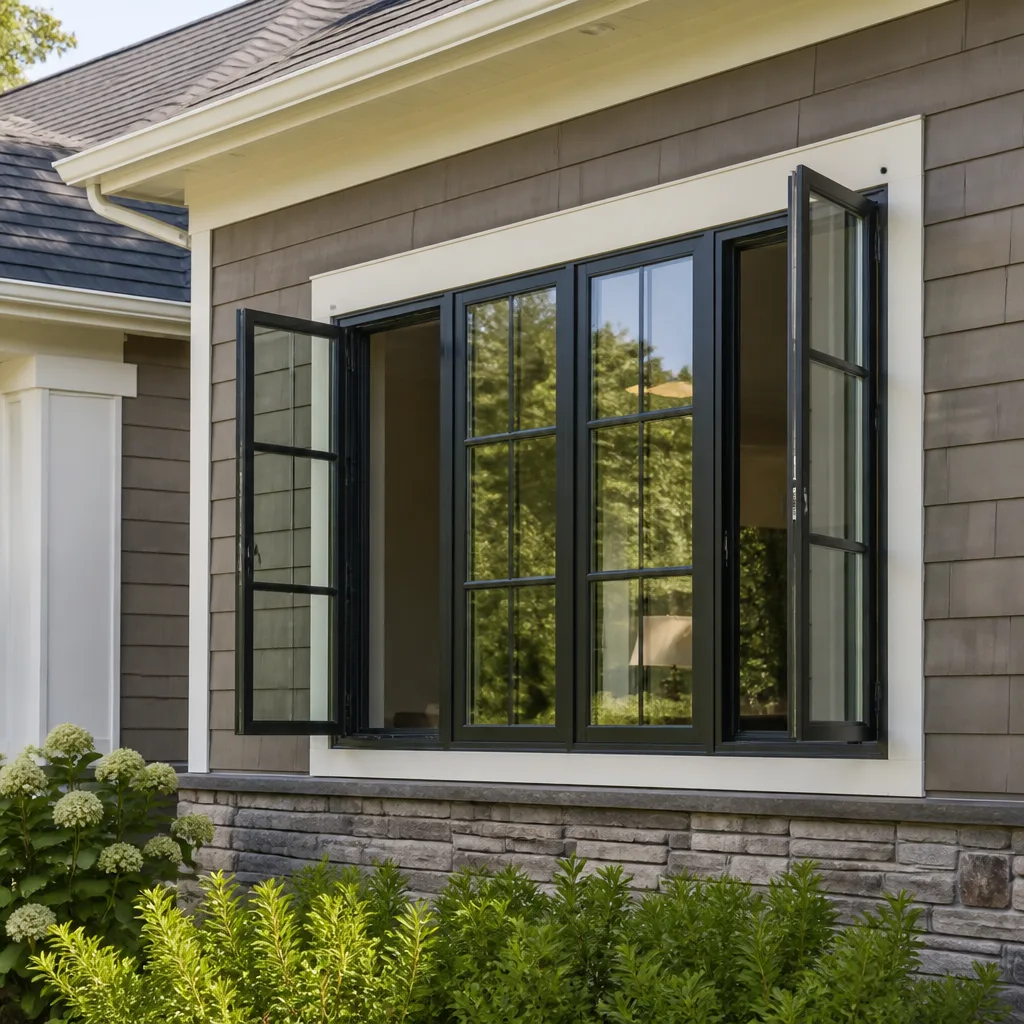 Casement
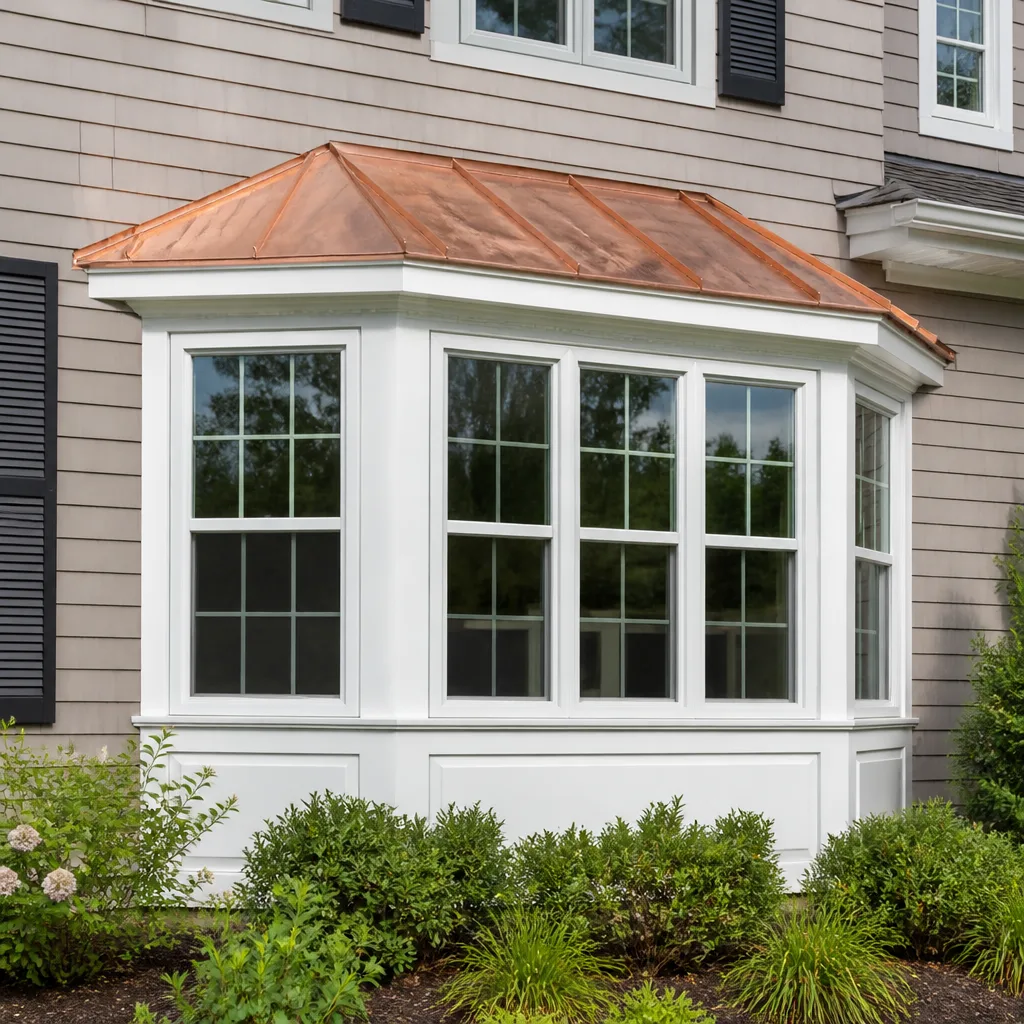 Bay & bow
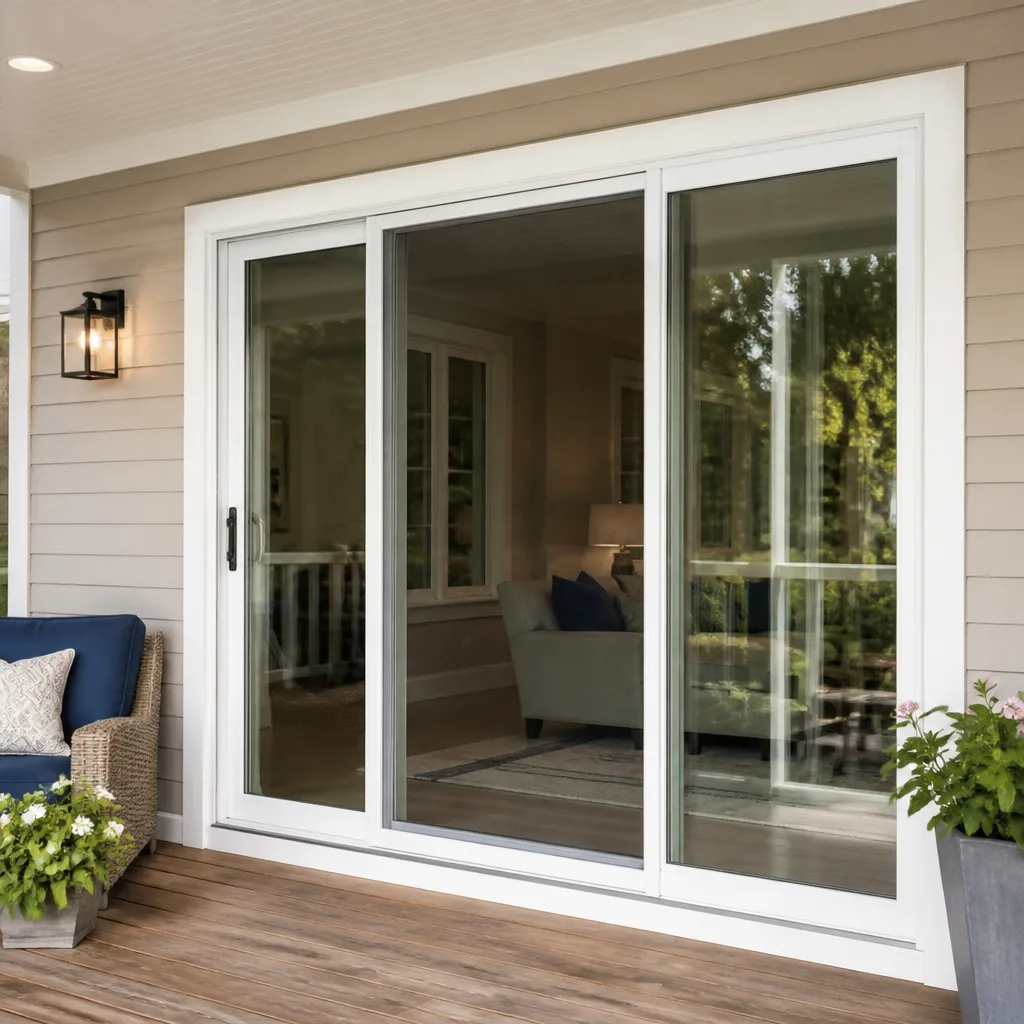 Sliding glass doors
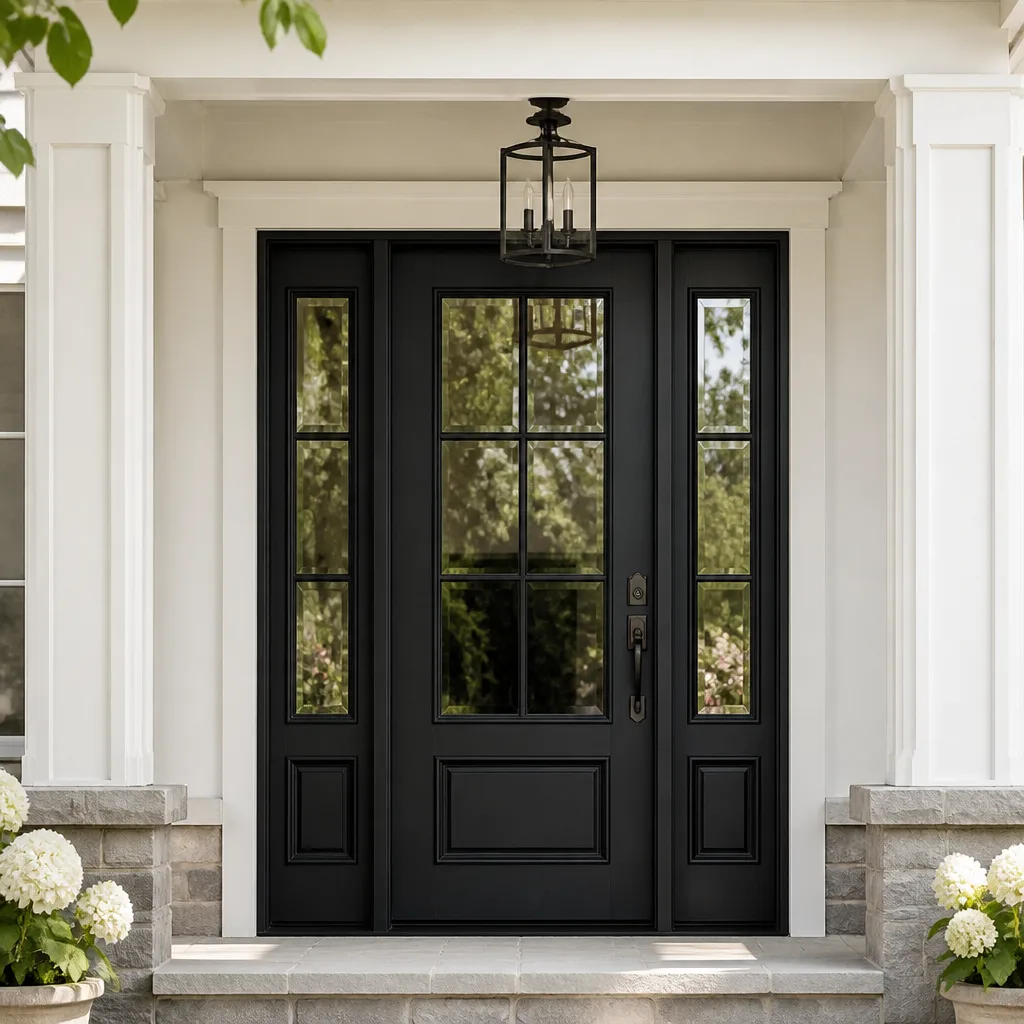 Entry doors
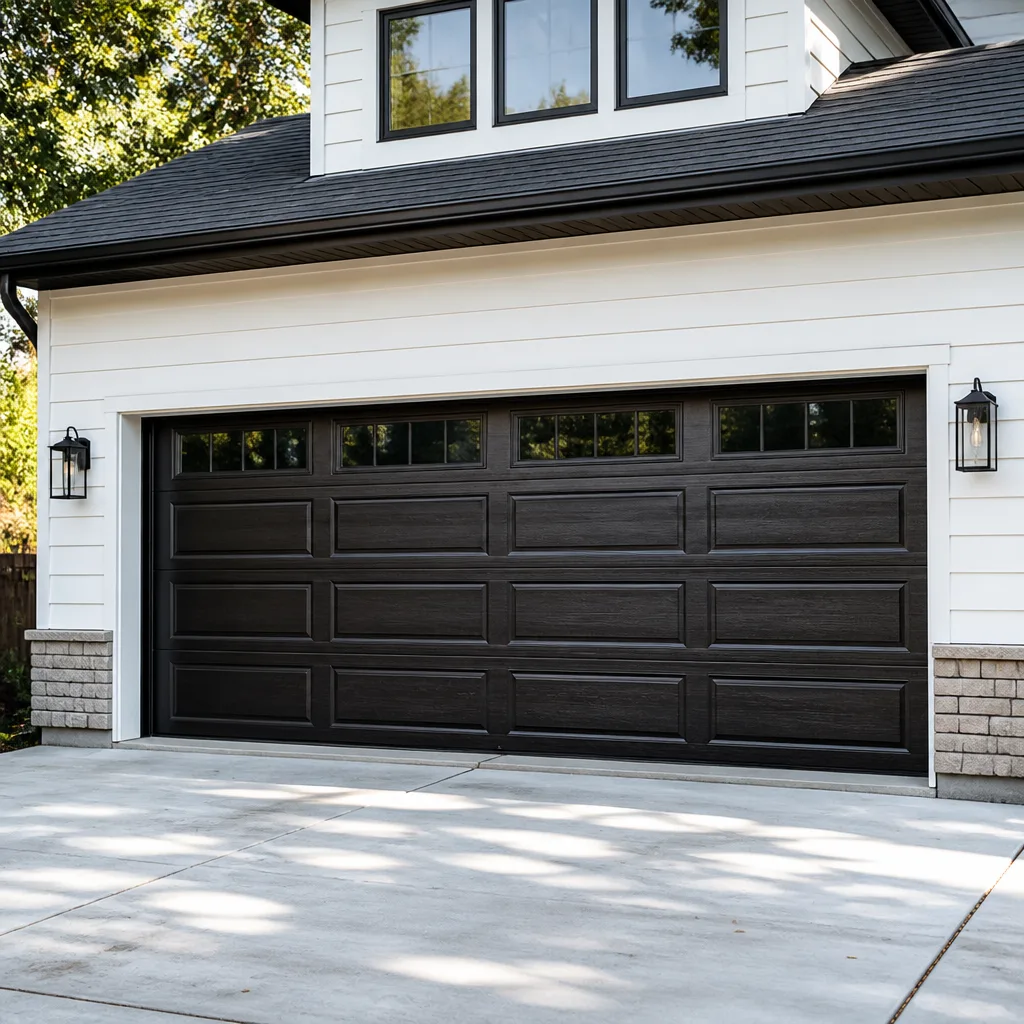 Impact garage doors
 PGT
PGT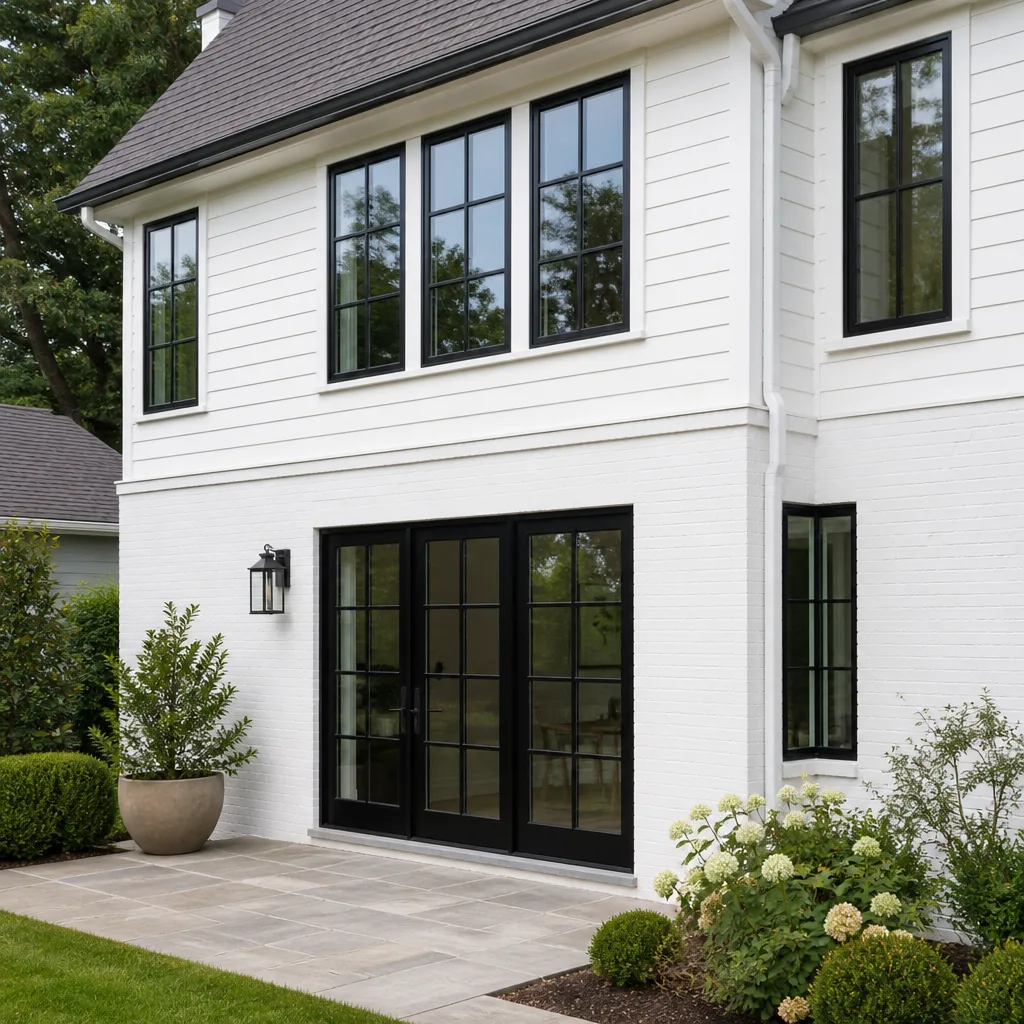 CGI
CGIFree in-home measure and quote - PGT, CGI and CWS impact lines compared on your actual openings, style by style
Get your free estimateWindow Replacement Maintenance Checklist for Pasadena Homeowners
A weeping hole the size of a pencil eraser, blocked by a single wasp nest, is enough to rot a wood sill in one wet season. Yet it appears on almost no standard maintenance checklist because most lists are written for climates with actual rainfall, not Pasadena’s concentrated winter deluges after months of dust. This guide is different. We’ve built it around the specific things that shorten window life in the San Gabriel Valley: UV intensity that bakes weatherstripping brittle, Santa Ana winds that drive grit into tracks, and the thermal swings between a 45-degree January night and a 100-degree October afternoon. You’ll learn what to check, when to check it, and how to tell the difference between cosmetic wear you can handle yourself and structural damage that needs a professional or Window Replacement services before it spreads behind the stucco.
Styles & brands we work with
Quick Answer
A Pasadena window maintenance routine comes down to five seasonal touchpoints: clear weeping holes and inspect sills after winter rain (February), check weatherstripping and UV seal compression before summer heat builds (June), prep tracks and seals for Santa Ana wind season (September), inspect screens and hardware after wind events (October), and document everything with phone photos so you can track changes year over year. Most window failures in Pasadena homes trace back to one of five specific failure points we detail below, and catching them early costs a tube of caulk instead of a full frame replacement. For Windows & Doors Cost Breakdown: The Pasadena Homeowner’s Reference for 2026, see our dedicated guide.
Table of Contents
- Why Pasadena’s Climate Demands a Different Checklist
- The Five Failure Points That Shorten Window Life in the San Gabriel Valley
- The Month-by-Month Maintenance Schedule for Pasadena
- Cosmetic Wear vs. Structural Wear: When to DIY and When to Call
- Post-Replacement Maintenance That Protects Your Warranty
- How to Keep a Window Condition Photo Log on Your Phone
- Common Mistakes to Avoid
- When to Call a Professional
- Frequently Asked Questions
Why Pasadena’s Climate Demands a Different Checklist
Pasadena sits in a Mediterranean climate zone that most window maintenance guides simply don’t account for. The city gets roughly 20 inches of rain per year, but almost all of it falls between December and March, arriving in concentrated bursts after eight months of dry heat and wind. That pattern means the dust, pollen, and fine grit that accumulate in window tracks and weeping holes during the dry season get suddenly saturated and compacted when the first atmospheric river hits. What was a harmless pile of dust in November becomes a hardened plug by February, trapping water against wood and vinyl where it has no business sitting.
Santa Ana winds add another layer. From September through November, sustained winds of 30 to 50 miles per hour, with gusts much higher, push against every window on the north and east sides of your home. These winds don’t just stress the glass; they drive fine sand and debris into weatherstripping, abrade sealant beads, and flex frames at their attachment points. Over the course of five to ten Santa Ana seasons, this repeated flexing creates hairline separations between the window frame and the stucco, which is where slow moisture intrusion begins.
Then there’s the UV factor. Pasadena averages over 280 sunny days per year, and the UV index regularly reaches 10 or higher from May through September. That constant solar load degrades exterior weatherstripping, vinyl glazing beads, and the outer surface of sealants far faster than in coastal or northern climates. A window that would last 30 years in Seattle might need its first resealing at year eight in northeast Pasadena, simply because the sun works on polymer surfaces like a slow-burning lamp.
Finally, the thermal swing matters. A January night in Pasadena can drop into the low 40s, while an October afternoon can break 100. That’s a 60-degree daily swing during the same week, sometimes within the same 24-hour period. Every material in a window expands and contracts at a different rate: aluminum expands faster than glass, vinyl faster than aluminum, wood slower than everything else but it swells with moisture. Over years of these daily cycles, the joints between these materials work themselves loose. The result is what we call micro-gaps: openings so small you can’t see them with the naked eye, but large enough to let conditioned air out and dust in.
Understanding this specific climate profile is what makes the difference between a maintenance routine that catches problems early and one that just goes through the motions. Most generic checklists tell you to “inspect windows twice a year” without telling you what to look at, why, or what time of year actually matters in Pasadena. The sections below are organized around the actual seasonal events that stress your windows, in the order they occur throughout the year. For more guides & resources, visit our blog.
The Five Failure Points That Shorten Window Life in the San Gabriel Valley
We’ve spent years looking at window installations across Pasadena, from Spanish Revival homes in Madison Heights to mid-century ranchers in Hastings Ranch to newer construction in the hills above the Rose Bowl. Across every neighborhood and every window brand, the same five failure points show up again and again. If you check nothing else on this list, check these.
1. Weeping Hole Blockage
Most Pasadena homeowners have never heard of weeping holes, but they are the single most common cause of window sill rot in this climate. Weeping holes are small drainage openings, typically two to four millimeters in diameter, built into the bottom exterior edge of window frames. Their job is to let water that finds its way into the frame track drain back outside instead of pooling inside. In Pasadena’s dry season, wasps, spiders, and mud daubers build nests inside these tiny openings. Dust, pollen, and construction grit pack in behind the nests. Then the winter rains arrive, and the water has nowhere to go. It sits against the interior of the frame, wicking into wood sills and soaking the insulation behind the frame. One blocked weeping hole, unchecked through a single wet winter, is enough to start rot in a wood sill.
2. UV-Degraded Weatherstripping
Weatherstripping is the flexible gasket material, typically made of foam, vinyl, or rubber, that seals the gap between the window sash and the frame. Its job is to keep air, water, and dust from passing through when the window is closed. In Pasadena’s UV environment, exterior-facing weatherstripping loses its elasticity much faster than manufacturers’ typical “10 to 15 year” service life projections. Direct afternoon sun on a west-facing window can bake stripping to the point of cracking in seven to eight years. Once the stripping cracks or loses its compression memory, it no longer seals. The window still looks fine from inside, but it’s now leaking conditioned air, letting dust in during Santa Ana events, and losing its acoustic seal against street noise.
3. Stucco-to-Frame Caulk Separation
Pasadena’s housing stock is dominated by stucco exteriors, and the joint where a window frame meets stucco is the most movement-prone interface in the entire assembly. Stucco is rigid. Window frames flex with thermal expansion, wind load, and building settlement. The sealant bead bridging these two materials has to flex, too, and over years of Pasadena’s daily thermal cycling, it eventually loses its adhesion and separates from one side or the other. The result is a hairline crack that runs along the top or sides of the window frame, invisible from inside the house, but wide open for water during winter storms. In our experience, this separation begins at corners first, where the stresses concentrate. A tube of exterior-grade elastomeric sealant applied to a clean, dry joint is a fifteen-minute fix. Left untreated for two wet seasons, the same crack becomes a pathway for water that rots the framing lumber behind the stucco.
4. Hardware Corrosion from Pool Chemistry
This one surprises homeowners. A significant percentage of Pasadena homes have swimming pools, and the chlorine compounds that evaporate off pool water travel on air currents, especially in the warm months. Windows within 50 feet of a pool, particularly those on the prevailing downwind side, show accelerated corrosion on exposed metal hardware: hinges, locking mechanisms, balancers, and screen clips. The corrosion doesn’t usually affect the structural integrity of the window itself, but it gradually makes locks stiff, hinges squeaky, and eventually causes hardware to fail. The same effect shows up in homes near the coast, but Pasadena’s inland pool density makes it a legitimate local maintenance concern.
5. Screen Frame Warping
Pasadena’s high summer temperatures, especially the late-season heat waves in September and October, can warp aluminum screen frames. The dark-colored frames absorb solar energy and expand. If the frame is already under tension from a tight fit or from accumulated dirt in the track, the expansion bends it. Warped screens let insects in around the edges, look bad from the street, and eventually fail to seat properly. The fix is often as simple as cleaning the track and gently reshaping the frame, but once the aluminum has work-hardened from repeated bending, replacement is the only real option.
The Month-by-Month Maintenance Schedule for Pasadena
Here is the exact schedule we recommend to homeowners in Pasadena. It is organized around the city’s actual climate events, not a generic spring/fall checklist. Each item takes under ten minutes once you know what to look for.
February: Post-Rain Sill and Weeping Hole Inspection
- After the heaviest winter rain has passed (typically by mid-February in Pasadena), walk around the exterior of your home and visually inspect every window sill and the bottom exterior edge of every frame.
- Look for water staining, discoloration, or mineral deposits on the sill surface. These indicate that water has been sitting on the sill.
- Locate the weeping holes on the bottom exterior edge of each window frame. They are small, often appearing as tiny slots or round holes near the corners.
- Clear each weeping hole using a small piece of stiff wire or a wooden toothpick. Do not use a drill or any power tool. Gently work the wire in and out until it moves freely. If you encounter resistance that feels like a hard plug, it is likely a wasp nest or hardened dirt.
- After clearing the holes, gently pour a few ounces of water into the exterior track (the lower channel where the window slides or seats). Watch the weeping holes to confirm the water drains out. If water pools inside the track and does not drain, the internal drainage channels are blocked and the window needs professional attention.
- Record your findings in the photo log described later in this guide.
June: UV Seal and Weatherstripping Check Before the Heat Builds
- By early June, Pasadena’s UV index is climbing toward its summer peak. Choose a morning when the windows are not in direct sun and run your fingers along the weatherstripping on the exterior side of every operable window.
- Look for cracks, brittleness, flattening, or gaps where the stripping has pulled away from the frame. If the material feels hard rather than soft and resilient, it has oxidized.
- Inspect the exterior sealant beads around each window frame, paying extra attention to the top corners and side edges where the frame meets the stucco. Gently press on the sealant. If it moves freely, it has separated from one side of the joint.
- If you find separated or cracked sealant, the fix is to remove the old bead with a utility knife, clean the joint thoroughly, and apply fresh exterior-grade sealant designed for stucco-to-window transitions. If you are not comfortable doing this yourself, schedule a professional before the heat expands the gaps further.
- Check interior window tracks for accumulated dust. Clean them with a soft brush, then vacuum with a hose attachment. A clean track means better compression of the weatherstripping and less stress on the sealing surfaces during the thermal expansion of summer.
September: Santa Ana Prep for Tracks, Seals, and Hardware
- Before the Santa Ana season arrives, typically by mid-September, clean every window track with a dry brush and vacuum. Focus on the lower track channels where sand and grit accumulate. Grit acts as an abrasive that wears down weatherstripping and scratches sliding surfaces under wind pressure.
- Tighten all accessible screws on window hardware: hinges, handles, locking mechanisms, and balancer attachments. Santa Ana wind buffeting loosens hardware over time, and a loose screw becomes a point of concentrated stress.
- Test the operation of every window. It should open and close smoothly without sticking, grinding, or requiring force. A window that binds in September will bind harder under wind load in October.
- Inspect exterior screens for frame warping. If a screen does not seat fully in its track, remove it, gently reshape the frame by hand, and clean the track before reinstalling. If the frame is badly warped or the screen fabric is torn, replace it before wind season so you can keep windows open on cooler evenings without letting insects in.
- Verify that all locks engage fully. A lock that does not throw completely is a security problem during any season but especially during Santa Ana events when high winds can push an unsecured window open from the outside.
October: Post-Wind Hardware and Seal Inspection
- After the first significant Santa Ana wind event of the season, typically in October, walk the exterior of your home and inspect every window for signs of wind stress.
- Look for new sealant cracks, especially along the top edge of frames where wind-induced flexing concentrates stress.
- Check that all weatherstripping is still seated properly in its groove. Wind can pull stripping loose in one section while the rest remains intact.
- Operate every window and listen for new rattling or feel for looseness. A rattle that was not there before indicates a hardware or balance issue.
- Re-clear weeping holes if wind-driven debris has packed them again.
December: Pre-Rain Preparation Before the Wet Season Peaks
- Before the heaviest Pasadena rains arrive, do one final weeping hole check of the year. Clear any debris that Santa Ana winds deposited.
- Inspect all exterior sealant one more time, focusing on any areas you noticed in October that were starting to separate.
- Verify that window screens are properly seated. During winter, Pasadena homeowners often leave windows cracked for ventilation, and a well-seated screen keeps insects out during the cooler months as well.
- If you skipped any of the earlier seasonal checks, do them now. The wet season is the worst time to discover a blocked weeping hole or separated caulk bead.
Cosmetic Wear vs. Structural Wear: When to DIY and When to Call
One of the most valuable skills a Pasadena homeowner can develop is knowing the difference between wear that is cosmetic and wear that is structural. Cosmetic wear is surface-level: peeling paint, faded finish, minor discoloration. It looks bad but does not affect the window’s function or the integrity of the surrounding structure. Structural wear goes deeper, affecting sealing, drainage, or the soundness of the frame and surrounding framing. The distinction matters because the wrong call in either direction costs you. Treating structural wear as if it were cosmetic lets damage spread. Treating cosmetic wear as structural means paying for work you don’t need.
Here is how we distinguish the two in practice:
- Cosmetic: Peeling or cracking paint on a wood sill, as long as the underlying wood is still solid when tested with a light press of a screwdriver. Fix with scraping, priming, and repainting.
- Structural: A sill that depresses when pressed, or wood that flakes away easily. This indicates rot, and rot spreads. The damaged material must be removed and replaced, and the source of the moisture must be identified and corrected.
- Cosmetic: Sealant that looks dirty or has a rough surface. Clean it. If it is still flexible and adhered, the seal is intact.
- Structural: Sealant that has pulled away from the frame or stucco, creating a visible gap. This is a moisture intrusion point and must be recaulked.
- Cosmetic: Faded or yellowed vinyl glazing.
- Structural: Crazing or cracking in the glass itself, or condensation forming between the two panes of an insulated glass unit (IGU). Condensation inside the IGU means the seal has failed and the unit is no longer providing its insulating value. The fix is glass replacement, not repair.
- Cosmetic: A window that is slightly harder to open than it used to be. Clean and lubricate the track and hardware.
- Structural: A window that falls closed on its own, or will not stay open in the desired position. This indicates a failed balancer or hinge. A window that falls closed is dangerous, especially for children’s fingers.
For a deeper look at when replacement makes more sense than repair, see our guide on Window Replacement in Pasadena.
Post-Replacement Maintenance That Protects Your Warranty
If you have recently replaced windows in your Pasadena home, there are specific obligations you should understand. Most window manufacturers’ warranties, and the workmanship warranties offered by installation companies like Lightwell Windows Pasadena, require the homeowner to perform basic maintenance as a condition of coverage. The exact language varies by manufacturer, but the general principle is the same: warranty coverage exists to protect against defects in materials and workmanship, not against damage caused by neglect.
What does that mean in practice? We recommend homeowners keep a simple log, either on paper or in a notes app, recording the date of each seasonal inspection and what was done. If a warranty claim ever becomes necessary, that log is your evidence that you held up your end of the agreement. It also helps us, as your installer, advocate on your behalf with the manufacturer. We carry products from Mr-Glass and Therma-Tru alongside several other manufacturers, and every one of their warranty departments is more responsive when the homeowner can document a consistent maintenance history.
The specific maintenance actions that protect your warranty are the same ones described in the month-by-month schedule above: keep weeping holes clear, keep tracks clean, keep sealant intact. What voids a warranty is different. Failure to address visible water intrusion or drainage problems voids most workmanship warranties. So does painting over sealant beads, which prevents inspection. And in Pasadena specifically, allowing sprinklers to spray directly onto window frames voids the exterior finish warranty on many window lines. Check Windows & Doors Permits, Codes & Inspections in CA: What You Need to Know for additional compliance details. Sprinkler water is chemically treated and carries dissolved minerals that etch and corrode frame finishes over time. If you have a sprinkler head that waters your windows more than your plants, adjust it now.
To understand what a proper replacement installation looks like from the start, read our breakdown of Window Installation in Pasadena.
How to Keep a Window Condition Photo Log on Your Phone
Documentation is the cheapest maintenance tool you own. A consistent photo log lets you compare condition year over year, identify slow-developing problems before they become urgent, and support warranty claims with evidence. Here is the system we recommend to every Pasadena homeowner.
What to Photograph
- Every window exterior, full frame, standing back far enough to include the surrounding stucco. This documents the overall condition and lets you see sealant separation and stucco cracks that form over time.
- Every window interior, full frame. This documents interior seal condition and any moisture staining on sills or surrounding drywall.
- Close-up of the bottom exterior edge, including weeping holes. Hold your phone close enough that the holes are clearly visible. This is the photo you will look back at to determine whether a blockage is new or has been there.
- Close-up of the sealant beads along the top and sides. Angle the phone so the joint between frame and stucco is clearly visible.
- Close-up of hardware: hinges, locks, balancers. This documents corrosion progression, especially important for homes near pools.
How to Organize
- Create a photo album on your phone called “Windows” with sub-albums by year.
- Photograph in the same order every time: front of house, left to right, then back of house, left to right, then the interior in the same order. Consistency matters more than completeness.
- After each photo session, add a text note with the date, any maintenance performed, and any new observations. A one-sentence note is enough.
- Schedule the photo sessions at the same time as your seasonal inspections: February, June, September, October, and December. That gives you five data points per year.
When you have new windows installed, ask the installation crew to photograph every opening before they leave. Window Installation in Pasadena that includes photographic documentation gives you a baseline for every future comparison. The Lightwell crew documents every installation with photos as standard practice, so you will always have that starting point.
For homeowners considering replacing an entry door as part of the same project, our guide to Door Installation in Pasadena covers the same documentation principles for door assemblies.
Common Mistakes to Avoid
- Ignoring weeping holes because you didn’t know they existed. Most Pasadena homeowners only learn about weeping holes after water damage appears. Clear them every February, and after major wind events, and you will avoid the most common window failure in this climate.
- Using a pressure washer to clean windows or frames. Pressure washers force water past weatherstripping and into the drainage channels, where it can carry dirt deeper and clog the system. They also strip protective finishes and can shatter glass if used at close range. Use a garden hose at normal pressure or a bucket and sponge.
- Applying new caulk over old caulk. Caulk sticks to clean, dry surfaces, not to other caulk. Layering new sealant over an old, failed bead creates a cosmetic fix that hides an active moisture pathway. Remove the old bead completely, clean the joint, then apply fresh material.
- Lubricating window tracks with WD-40. WD-40 attracts dust and turns into a gritty paste in Pasadena’s dry climate, which then accelerates wear. Use a dry silicone spray or a dry graphite lubricant. If the track is already gritty, clean it thoroughly before any lubrication.
- Waiting until a window fails to document it. A photo log is only useful if it contains a baseline. Start photographing your windows now, even if you think they are in perfect condition. Six months from now, that “before” photo will be valuable.
- Ignoring a window that is hard to lock. A stiff lock is not just an inconvenience. It often means the window is out of alignment, which means the weatherstripping is not sealing properly, which means air and water are moving where they should not. Align the window as soon as you notice it.
- Replacing windows without fixing the drainage problem first. If a window sill rotted because of a blocked weeping hole, replacing only the window without addressing the drainage path will lead to the same rot in the new unit. The drainage problem must be fixed as part of the replacement.
When to Call a Professional
Many of the maintenance items in this guide are straightforward DIY tasks: clearing weeping holes, cleaning tracks, inspecting weatherstripping. But certain conditions warrant professional evaluation. If you see condensation forming between the two panes of an insulated glass unit, the seal has failed and the glass needs replacement. If a sill or surrounding wood is soft, flaking, or visibly rotted, the rot is more extensive than what you can see from the surface, and the repair requires removing material to find solid wood. If a window is significantly out of alignment, falling closed, or failing to lock, the problem is likely in the balance system or hinge hardware. If you find water staining inside the wall around a window, the moisture has already migrated past the frame and into the framing cavity, which can sustain mold growth. In any of these situations, call a professional before the problem spreads. Lightwell Windows Pasadena offers free estimates throughout Pasadena. Call (626) 628-2308 and we will walk through what you are seeing and whether a service visit makes sense.
Frequently Asked Questions
Window replacement in Pasadena typically runs between $800 and $2,200 per opening, depending on window size, frame material, glass package, and whether the existing frame can be reused or must be rebuilt. Vinyl windows from brands like ViewLux or PGT sit at the lower end of that range, while higher-end thermally broken aluminum or wood-clad units climb toward the top. The most accurate way to get a number for your home is a written estimate based on your specific openings. Call (626) 628-2308 and we will provide one, at no charge, with no obligation.
Inspect your windows five times a year in Pasadena, keyed to the climate events: February after winter rain, June before summer heat builds, September before Santa Ana season, October after the first significant wind event, and December before the wettest months. Each inspection takes under ten minutes once you know what to look for, and following this schedule catches most problems while they are still cheap to fix.
You can clear weeping holes yourself using a thin wire, a wooden toothpick, or a pipe cleaner. Do not use power tools or anything that could scratch the interior drainage surfaces. After clearing, pour a small amount of water into the track to confirm drainage. If the water does not drain, the internal channels are blocked and a professional should evaluate the window.
Condensation between the panes of an insulated glass unit means the IGU seal has failed. Once the seal is broken, the inert gas between the panes escapes and regular air enters, which is why interior condensation forms. The glass unit must be replaced. The frame may be perfectly fine, but the IGU itself cannot be repaired, only replaced. Call (626) 628-2308 for an exact quote on IGU replacement, and we will tell you whether your window brand warrants a glass-only replacement or a full unit replacement.
Yes. The Cedarwell Care Promise covers workmanship for the 365-Day Done Right Promise, but warranty coverage assumes the homeowner performs basic maintenance: keeping weeping holes clear, keeping tracks clean, and addressing visible sealant failures promptly. Detailed maintenance records strengthen any warranty claim. Our team can walk you through the specific requirements for your window brand when you call.
No. Lightwell Windows Pasadena provides a written price before any work starts, and that price holds. No-hassle upfront pricing is a standing operating rule for us, not a marketing phrase. If we find additional work needed during the project, we show you a written change order before proceeding, and you decide. The number on the invoice matches the number you agreed to, unless you specifically approved a change in writing.
The Bottom Line
Pasadena windows fail for specific, predictable reasons: blocked weeping holes, UV-baked weatherstripping, caulk separation at the stucco joint, pool-chemical corrosion, and wind-warped screens. A maintenance routine built around the city’s actual climate, the month-by-month schedule in this guide, catches these failures early, when they cost a tube of caulk instead of a new window. Document your windows with a simple photo log, know the difference between cosmetic and structural wear, and keep your maintenance records if you have a warranty. If you find something that worries you, or if you have questions about a specific window, call (626) 628-2308 and ask for Keith. We are happy to talk through what you are seeing, before you spend a dime.
Written by Keith Yamada, Owner at Lightwell Windows Pasadena, serving Pasadena since 2010.
See the difference
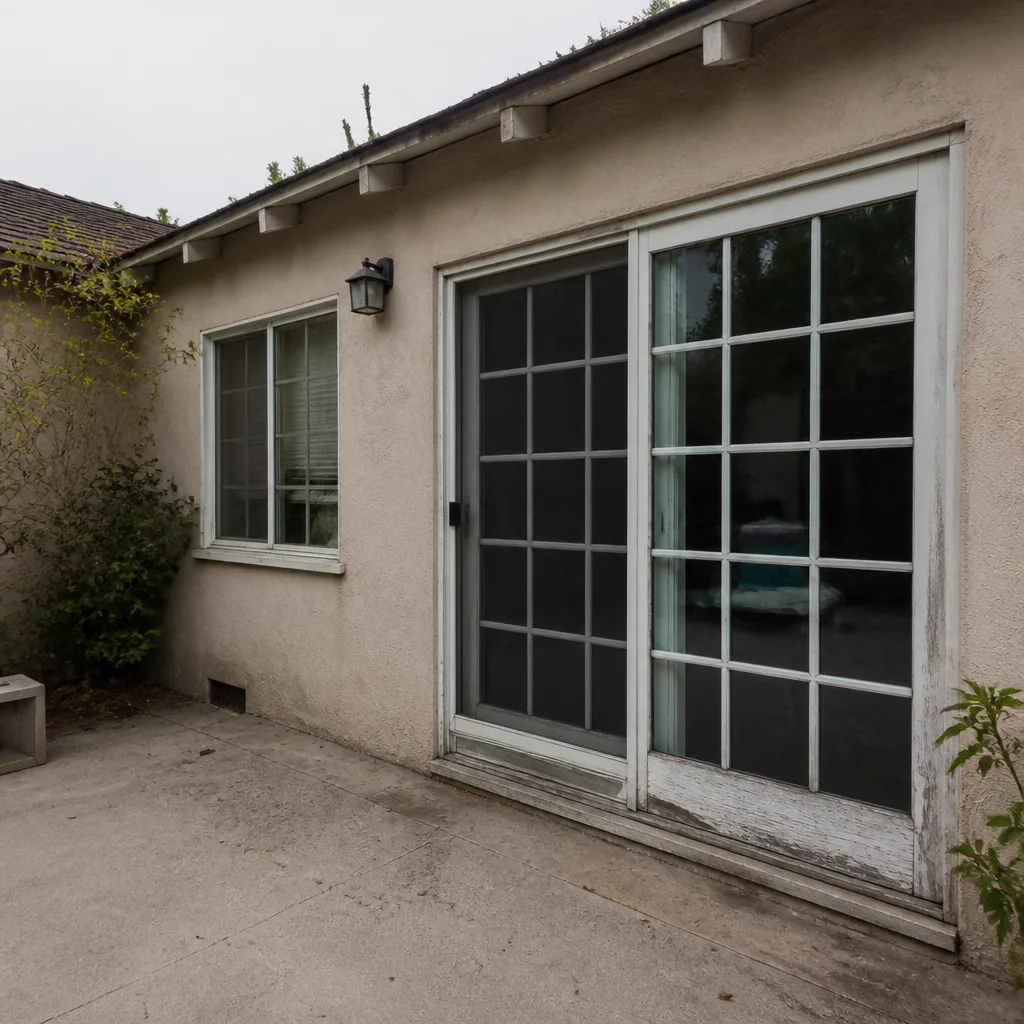 Before
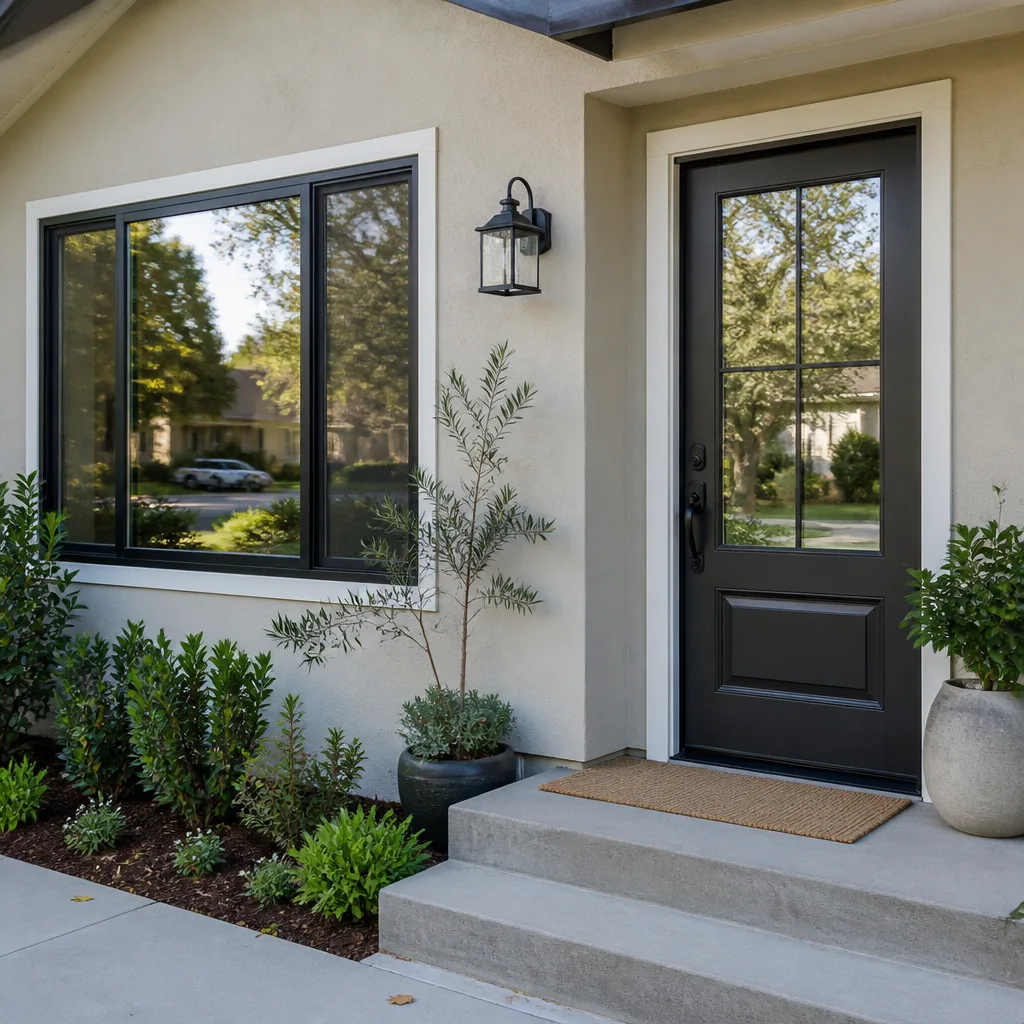 After
After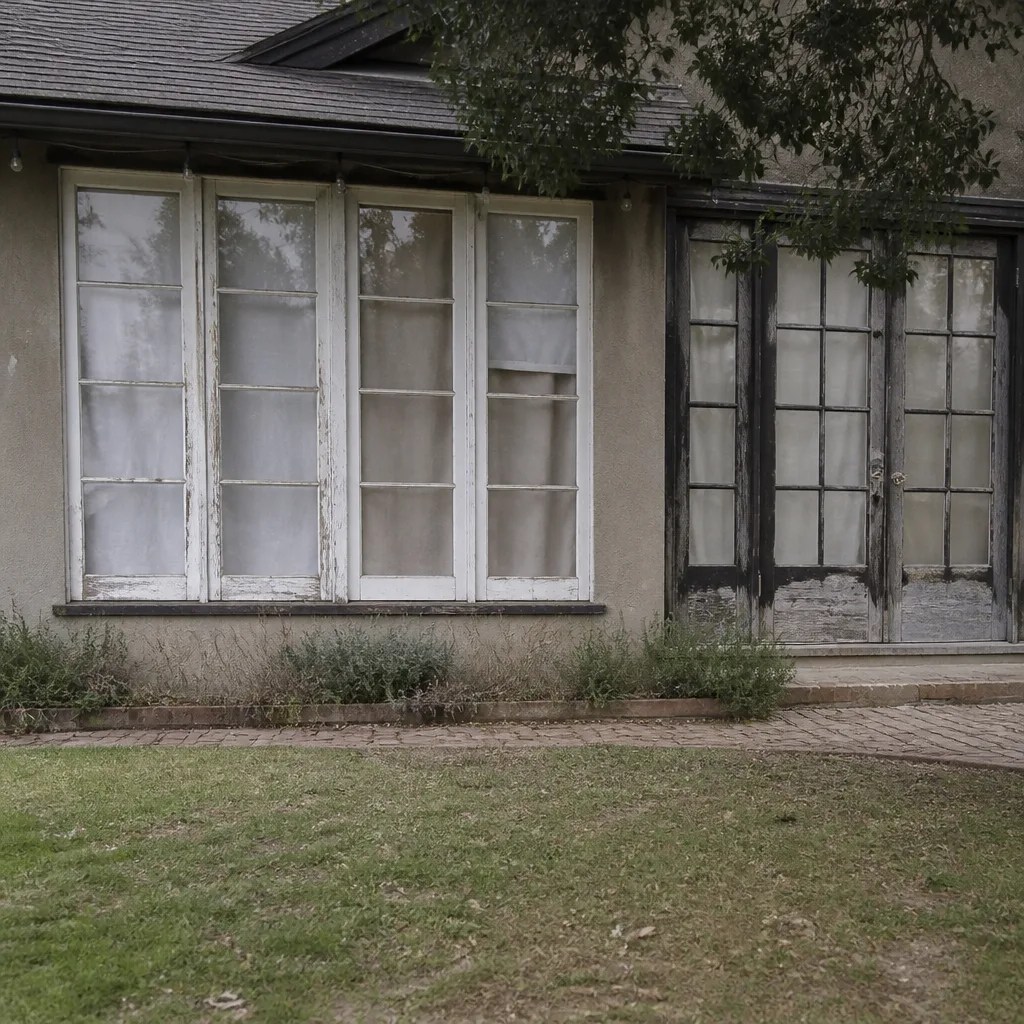 Before
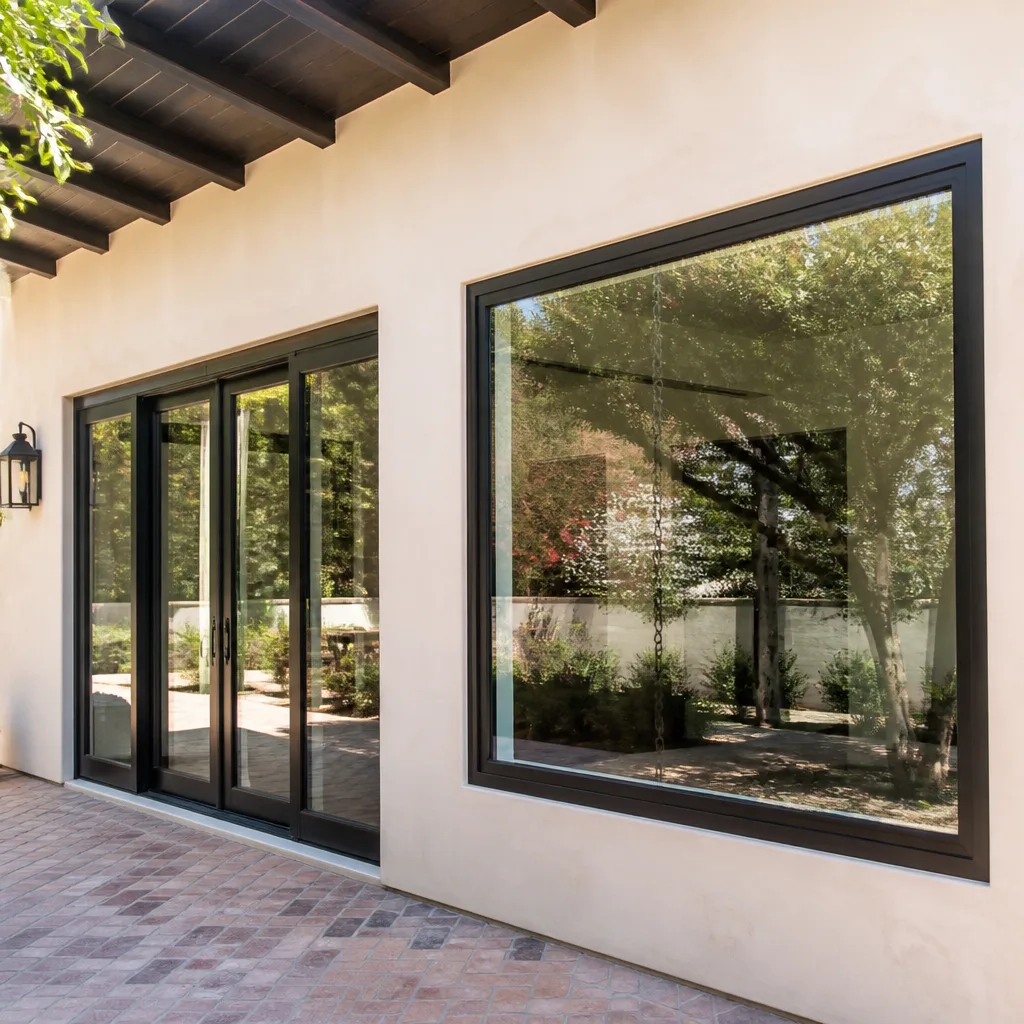 After
After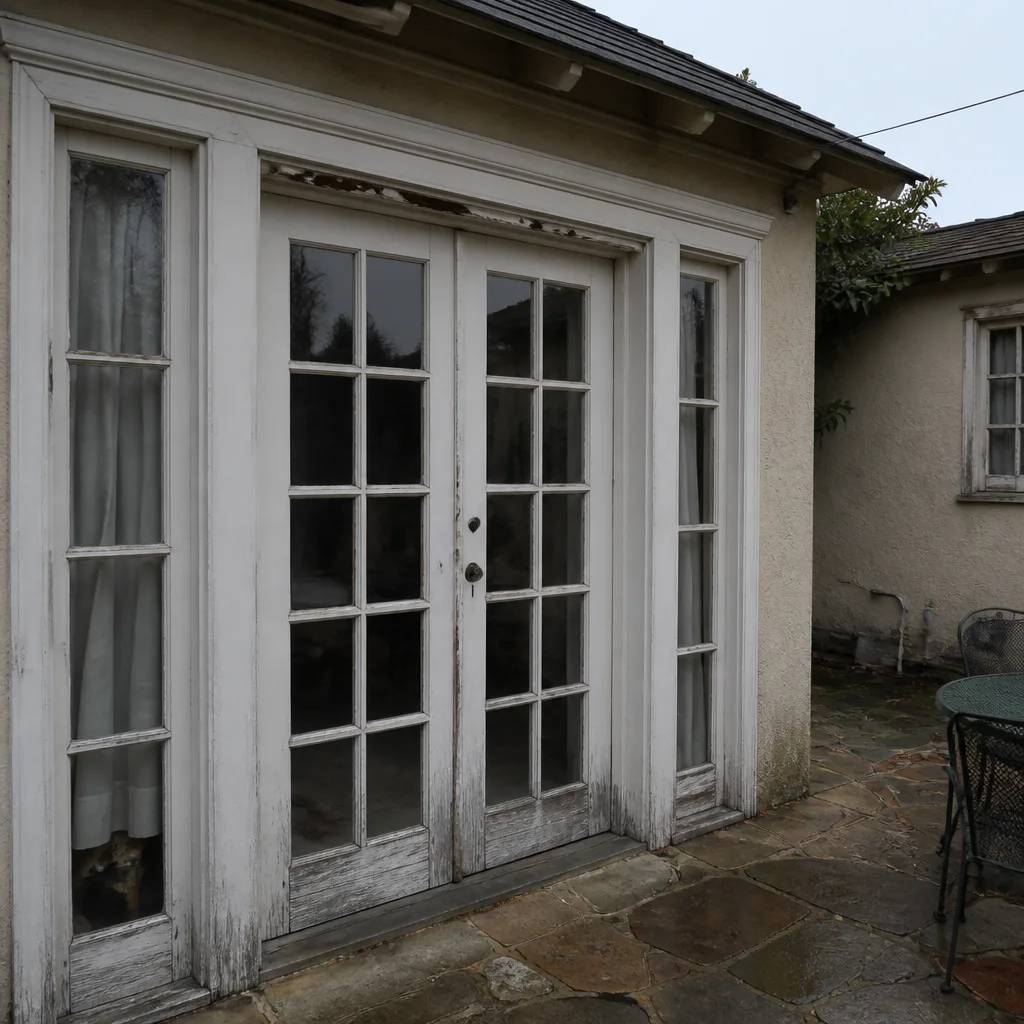 Before
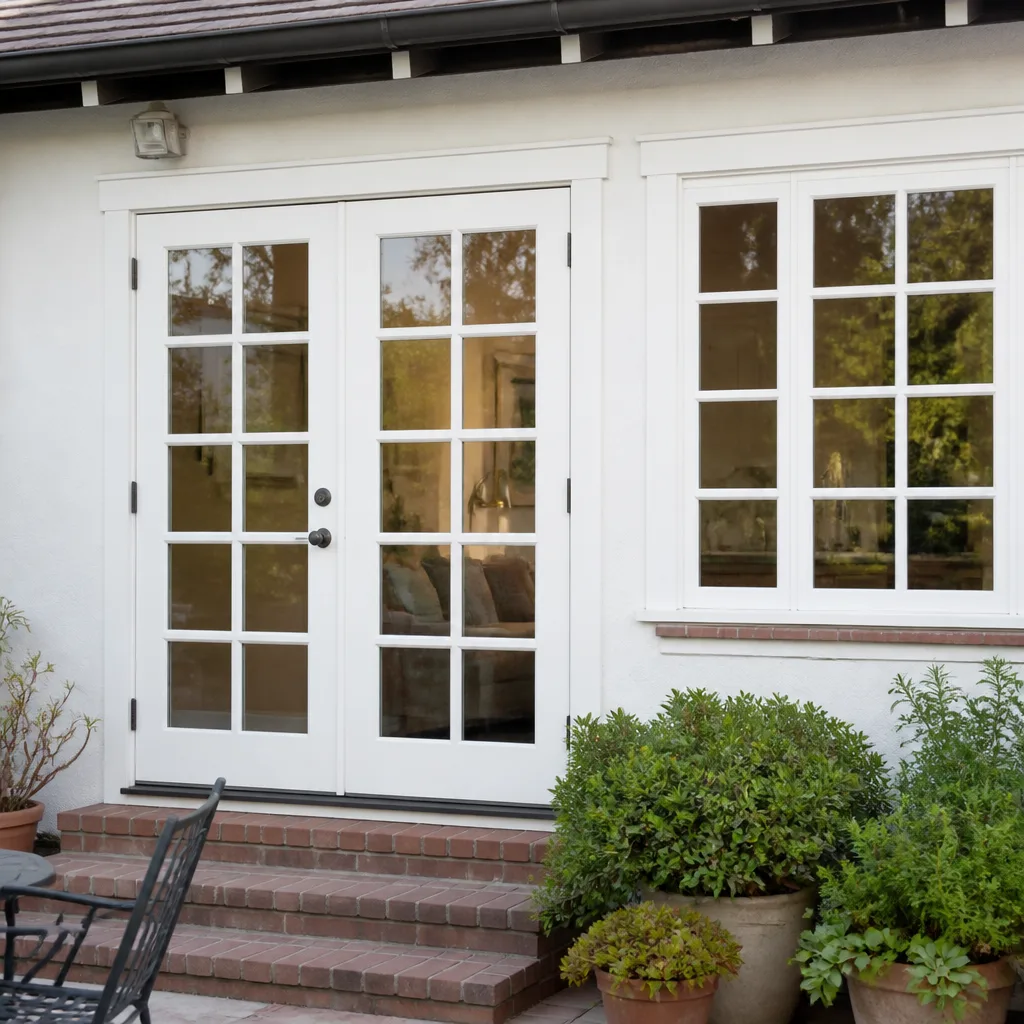 After
AfterSix Reasons Homeowners Choose Lightwell Windows Pasadena
Laminated glass and reinforced frames hold up to wind-driven rain, hail and flying debris, so your openings stay sealed when the weather turns.
Low-E insulated impact glass from our manufacturer lines commonly cuts monthly cooling bills 20-30%.
Laminated impact glass shuts out up to 40% of outside noise - traffic, neighbors, weather.
Monitoring services run $30-90 a month. Laminated impact glass resists forced entry around the clock, with no subscription.
Tighter seals and insulated glass even out hot and cold rooms and stop the drafts at the frame.
A full impact package upgrades curb appeal, buyer confidence and appraised value in one project.